
Loading...
Per 100g
Nutrition data source: USDA FoodData Central
Common measurement equivalents in grams
When stored in a cool, dry, and dark place with good ventilation, they can last for 2 to 3 months.
Yes, you can freeze chopped onions. They will lose their crispness, so they are best used in cooked dishes like soups or stews after thawing.
Look for onions that are firm, heavy for their size, and have dry, papery skins. Avoid those with soft spots, moisture, or green sprouts.
Shallots are the best substitute for small yellow onions due to their size and flavor profile. White onions or the white parts of leeks also work well.
When cut, onions release a gas called syn-propanethial-S-oxide, which reacts with the moisture in your eyes to form a mild sulfuric acid.
Yellow onions are considered the best all-purpose cooking onion because they have a higher sugar content that caramelizes beautifully when heated.
Chilling the onion in the fridge for 30 minutes before cutting or using a very sharp knife can significantly reduce the release of irritating gases.
No, they are different species. Yellow onions have a more robust, pungent flavor, while shallots are milder with a hint of garlic.
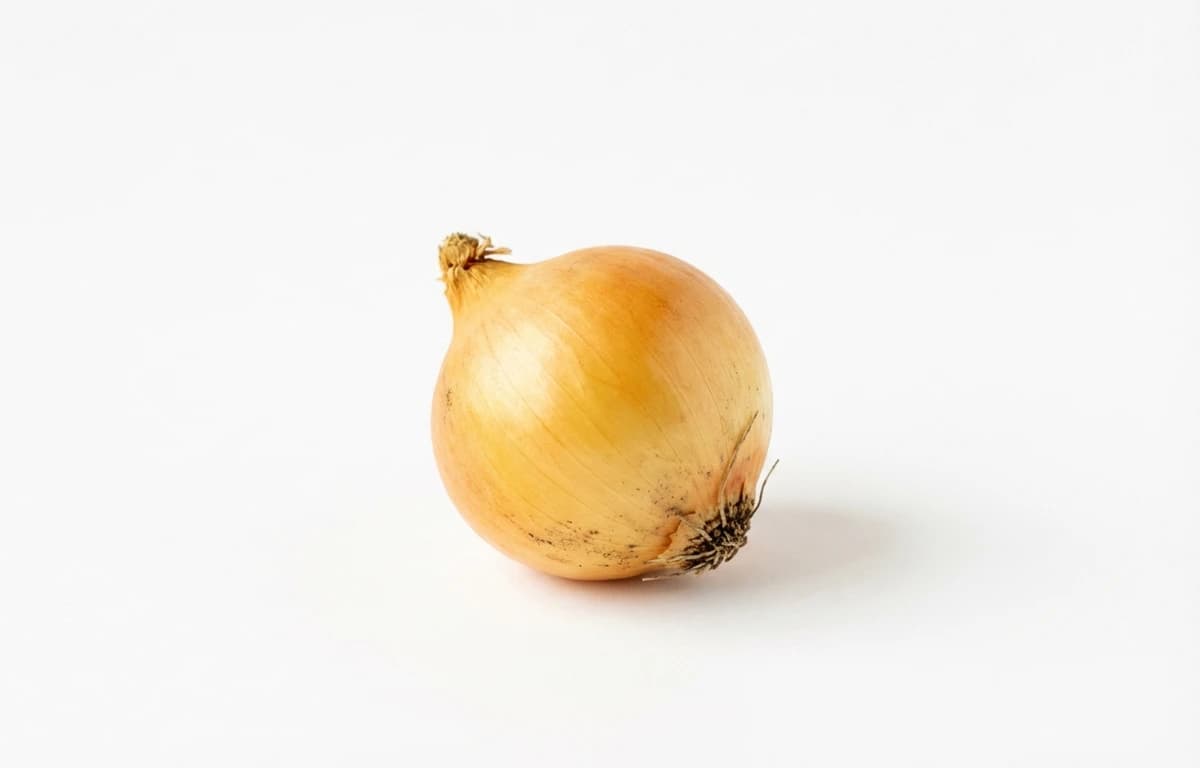
Small Yellow Onion is a versatile ingredient found in cuisines around the world. With 40 calories per 100g and 1.1 grams of protein, it's a nutritious addition to many dishes.
Explore more ingredients in the vegetable category with complete nutrition information.
View all vegetable →Discover 1 recipes featuring small yellow onion with step-by-step instructions.
Browse recipes →Yes, though they are more pungent than red or white onions. Slicing them very thinly or soaking them in water makes them more palatable for raw use.
Yes, onions are bulbs that grow underground, making them root vegetables, which is important for certain dietary restrictions like Jainism.