
Other2 recipes
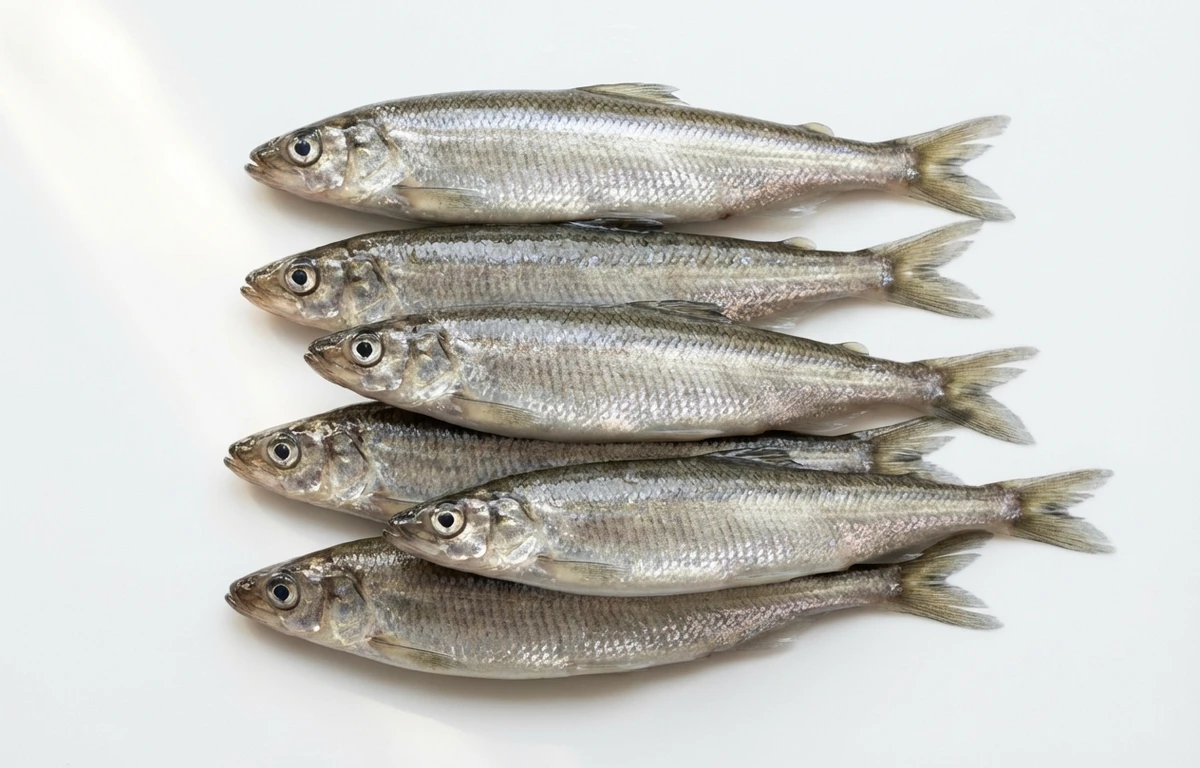
smelt.
VegetarianVeganGluten-freeDairy-freeNut-freePeanut-freeSoy-freeEgg-freeShellfish-freeHoney-freeAlcohol-free
ALSO KNOWN AS
European smeltsilver fishsmeltcooked rainbow smeltraw rainbow smelt
SERVING
CALORIES
97
PROTEIN
17.6g
CARBS
0g
FAT
2.4g
FIBER
0g
This ingredient is flagged as naturally gluten-free. Per 100 g, it provides 0.10 µg of vitamin K.
NUTRITION PROFILE · per 100 g
Everything in this ingredient.
MACRONUTRIENTS
Calories97kcal—
Protein17.6g35%
Carbohydrates0g0%
Fiber0g0%
Sugar0g0%
Total fat2.4g3%
Saturated fat0.45g2%
Cholesterol70mg23%
Water78.8g—
MINERALS
Sodium60mg3%
Potassium290mg6%
Calcium60mg5%
Iron0.90mg5%
Magnesium30mg7%
Phosphorus230mg18%
Zinc1.6mg15%
Copper0.14mg16%
Manganese0.70mg30%
Selenium36.5µg66%
VITAMINS
Vitamin A15µg2%
Vitamin C0mg0%
Vitamin D0.80µg4%
Vitamin E0.50mg3%
Vitamin K0.10µg0%
Thiamin (B1)0.01mg1%
Riboflavin (B2)0.12mg9%
Niacin (B3)1.4mg9%
Pantothenic acid (B5)0.64mg13%
Vitamin B60.15mg9%
Folate (B9)4.0µg1%
Vitamin B123.4µg143%
%DV based on a 2,000 cal diet. Source: USDA FoodData Central. A dash in the %DV column means there’s no established Daily Value for that nutrient.
MEASUREMENT CONVERSIONS
How much is what.
1 cup140g
1 tablespoon8.8g
1 teaspoon2.9g
1 ml0.6g
1 liter583.3g
1 piece25g
HEALTH BENEFITS
Why eat it.
- ✓Excellent source of vitamin D and calcium, especially when eaten whole with bones, promoting bone density.
- ✓Provides high-quality, complete protein essential for muscle building and repair.
- ✓Contains significant amounts of vitamin B12, crucial for nerve function and the formation of red blood cells.
- ✓Generally low in mercury compared to larger predatory fish, making it a safer seafood choice.
COOKING TIPS
In the kitchen.
- 1Smelt are small and cook very quickly. A popular method is to dredge them in seasoned flour or cornmeal and pan-fry or deep-fry until golden and crisp.
- 2Due to their small, soft bones, smelt are often eaten whole after being gutted. This provides an excellent source of calcium.
- 3Grilling or broiling is a healthier alternative. Brush with olive oil, season with salt, pepper, and lemon, and cook for just a few minutes per side.
- 4Smelt can also be pickled, a traditional method of preservation that imparts a tangy flavor.
STORAGE
Keep it fresh.
- Store fresh smelt in the coldest part of the refrigerator, ideally on a bed of ice, at or below 40°F (4°C) and consume within 1-2 days.
- For longer storage, pat the fish dry, wrap tightly in plastic wrap and then foil, or use a vacuum-sealed bag. Freeze at 0°F (-18°C) for up to 3 months for best quality.
FAQ
Frequently asked questions.
Is smelt healthy?
Yes, smelt is a highly nutritious seafood choice. It is an excellent source of omega-3 fatty acids for heart health, vitamin D and calcium for bone density, and vitamin B12 for nerve function, all while being relatively low in calories.
How much protein and calories are in smelt?
A 100g serving of smelt provides approximately 97 calories and 17.63g of high-quality protein. With 0g of carbohydrates and only 2.42g of fat, it is an efficient source of lean protein for muscle repair and maintenance.
Is smelt high in mercury?
No, smelt is generally very low in mercury compared to larger predatory fish like tuna or swordfish. Because they are small and lower on the food chain, they do not accumulate high levels of toxins, making them a safer choice for frequent consumption.
Is smelt keto-friendly?
Yes, smelt is excellent for keto and low-carb diets because it contains zero carbohydrates. It provides essential healthy fats and high protein levels that help maintain ketosis while supporting overall nutrition.
Do you eat the bones in smelt?
Yes, smelt are typically eaten whole, including the bones, especially when fried or grilled. Consuming the soft bones is highly beneficial as it significantly increases your intake of calcium and vitamin D.
How do you cook smelt?
The most popular way to prepare smelt is deep-frying or pan-frying them until crispy, often with a light dusting of flour. They can also be grilled or baked; because they are small, they usually cook through in just 2 to 4 minutes.
What does smelt taste like?
Smelt has a mild, delicate, and slightly oily flavor with a hint of sweetness. Interestingly, fresh smelt is often noted for having a distinct aroma similar to freshly sliced cucumbers.
Is smelt gluten-free?
In its natural state, smelt is entirely gluten-free. However, many traditional recipes involve breading or flouring the fish before frying, so you must use a gluten-free flour substitute if you have dietary restrictions.
How do you store fresh smelt?
Fresh smelt should be stored in the coldest part of the refrigerator, ideally on a bed of ice, and used within 1 to 2 days. For longer storage, they can be frozen in airtight containers or vacuum-sealed bags for up to 4 months.
How do you know if smelt is fresh?
Look for smelt with clear, bulging eyes and firm, shiny skin. It should have a clean, fresh scent; avoid any fish that smells overly 'fishy' or has dull eyes and soft, mushy flesh.
RECIPES
Cook with smelt.
2 recipes · sorted by what’s quick



















