
Loading...
Per 100g
Nutrition data source: USDA FoodData Central
Common measurement equivalents in grams
No, smoking wood does not add calories, fat, protein, or carbohydrates to your food. It is used strictly as a flavoring agent through the production of smoke, and the physical properties of the wood do not transfer nutritionally to the ingredients being cooked.
Yes, food smoked with natural, food-grade hardwoods is safe to eat. However, it is critical to avoid wood that has been treated, painted, or stained, as these can release toxic chemicals. Additionally, moderate consumption of smoked foods is often recommended due to the presence of polycyclic aromatic hydrocarbons (PAHs) in smoke.
Yes, smoking wood is 100% plant-based and naturally gluten-free. It consists entirely of natural wood fiber, making it compatible with vegan, paleo, keto, and gluten-free diets.
While some suggest soaking chips to make them last longer, many experts recommend using them dry. Soaking wood creates steam before smoke, which can lower the grill temperature and potentially produce 'dirty' or bitter-tasting smoke rather than the desired clean, thin blue smoke.
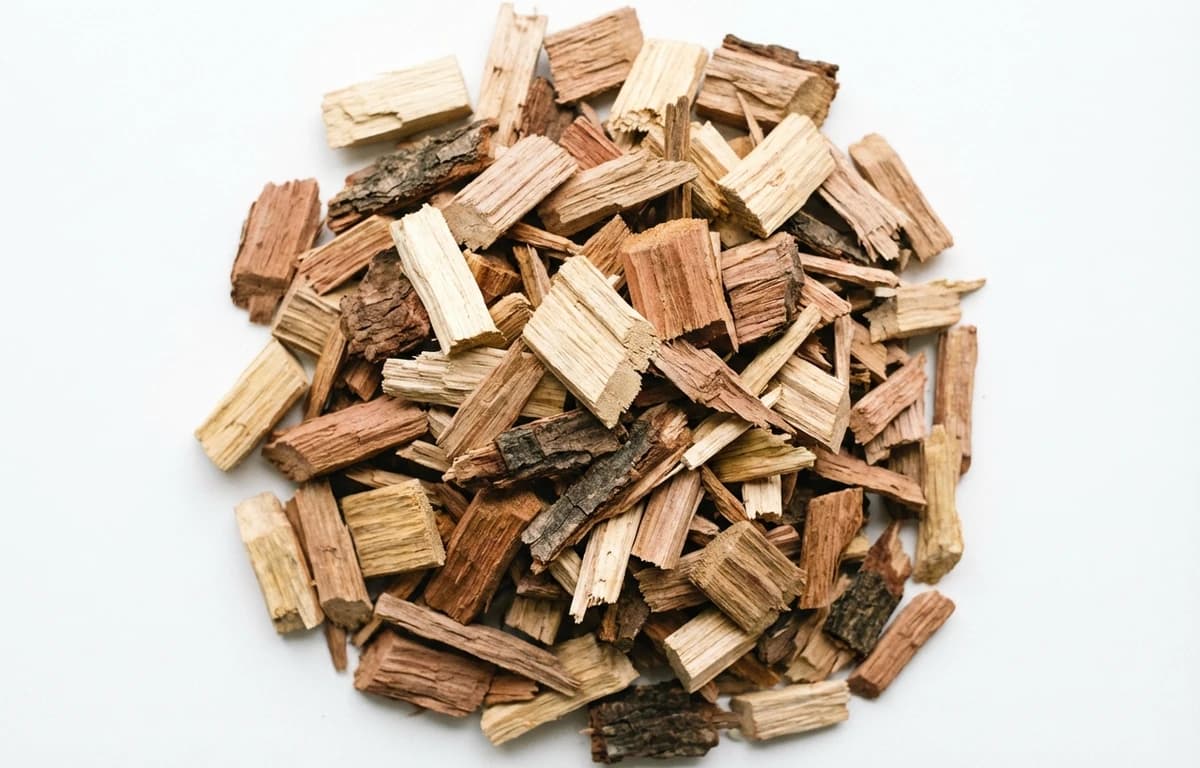
Smoking wood is typically sold as chips (best for short cooks), chunks (best for long smoking sessions), and pellets (compressed sawdust for pellet grills). Each format is designed to burn at different rates depending on the type of grill or smoker being used.
No, you should only use seasoned hardwoods (like oak or hickory) or fruitwoods (like apple or cherry). Avoid softwoods like pine, cedar, or fir, as their high resin and sap content produce acrid smoke and can make you ill. Never use wood that has been chemically treated.
Smoking Wood is a versatile ingredient found in cuisines around the world. With its calories per 100g and valuable grams of protein, it's a nutritious addition to many dishes.
Explore more ingredients in the cooking aid category with complete nutrition information.
View all cooking aid →Discover 1 recipes featuring smoking wood with step-by-step instructions.
Browse recipes →As a general rule, use mild fruitwoods like apple or cherry for poultry, pork, and fish. Use stronger woods like hickory, mesquite, or oak for beef, game meats, and hearty vegetables that can stand up to a more intense smoky profile.
Store smoking wood in a cool, dry place with good airflow to prevent mold and rot. A lidded plastic bin or a breathable burlap sack kept in a garage or shed is ideal for keeping the wood seasoned and ready for the grill.
Smoking wood is 'bad' if it shows signs of mold, fungus, or significant rot, which can impart unpleasant or dangerous flavors to food. It should feel dry and lightweight; if it feels heavy and damp, it may be too 'green' and will produce bitter smoke.
Kiln-dried wood is heated in an oven to quickly reduce moisture and kill pests, resulting in a very consistent, clean burn. Air-dried (seasoned) wood is left outside for months to dry naturally; while it can provide great flavor, it may have more variability in moisture content.