
Loading...
Per 100g
Nutrition data source: USDA FoodData Central
Common measurement equivalents in grams
Look for gourds that are firm to the touch, bright green, and free from soft spots or deep blemishes. Smaller, younger gourds are usually sweeter and have fewer seeds.
If the gourd is young and the skin is tender, you can leave it on. However, if the skin feels thick or waxy, it is best to lightly peel it using a vegetable peeler.
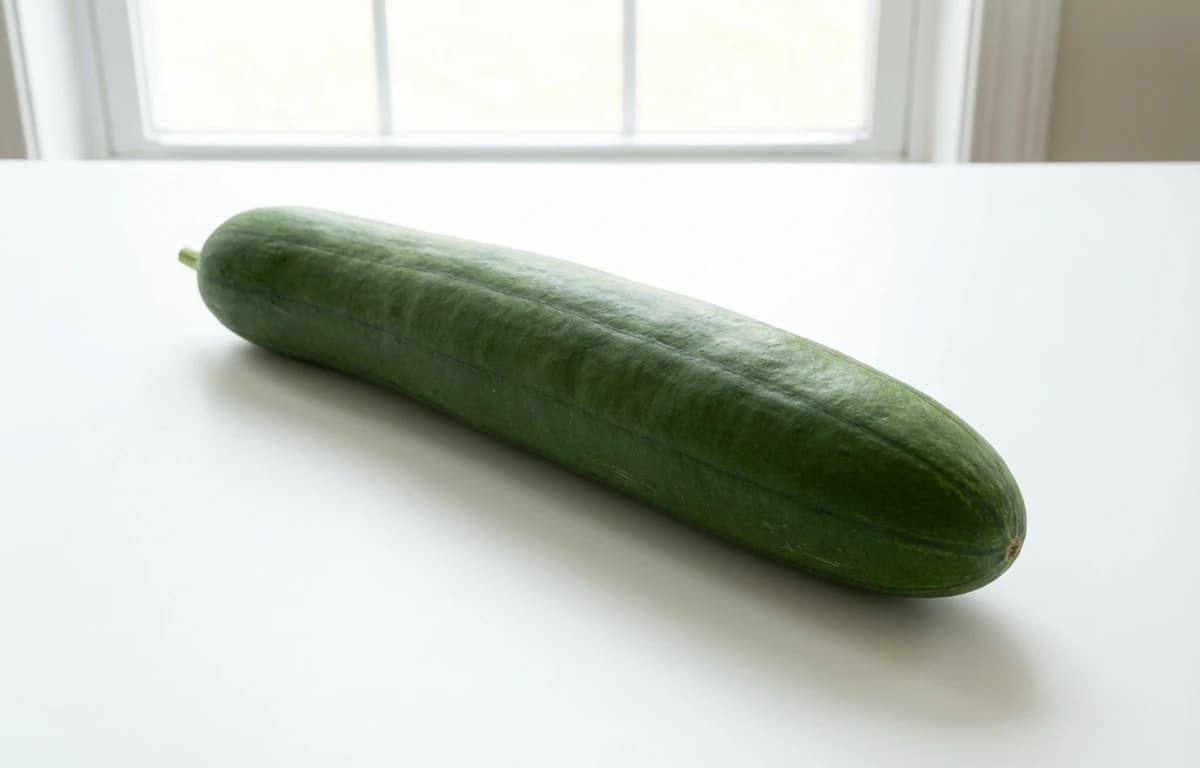
Ridge gourd (Turai) has sharp, longitudinal ridges, while smooth skin ridge gourd (Gilki/Sponge Gourd) has a completely smooth exterior. Smooth gourd is generally softer and cooks faster.
It is not recommended to freeze it raw due to its high water content, which ruins the texture. If you must freeze it, blanch the chopped pieces first, though it will still be best used in soups or purees after thawing.
Zucchini is the best substitute in terms of texture and mild flavor. Angled ridge gourd or chayote squash can also be used.
No. Like other cucurbits, if a gourd tastes significantly bitter, it may contain toxic compounds called cucurbitacins. Discard any gourd that has a strong bitter taste.
When chopped into small pieces, it typically takes only 5-8 minutes to steam or stir-fry until tender.
Yes, it has a very low glycemic index and low calorie count, making it a healthy vegetable choice for managing blood sugar levels.
smooth skin ridge gourd is a versatile ingredient found in cuisines around the world. With 17 calories per 100g and 1.1 grams of protein, it's a nutritious addition to many dishes.
Explore more ingredients in the vegetable category with complete nutrition information.
View all vegetable →Discover 0 recipes featuring smooth skin ridge gourd with step-by-step instructions.
Browse recipes →It is commonly known as 'Gilki' in Hindi, 'Nenua' in parts of North India, and 'Peechinga' in Malayalam.