
Other
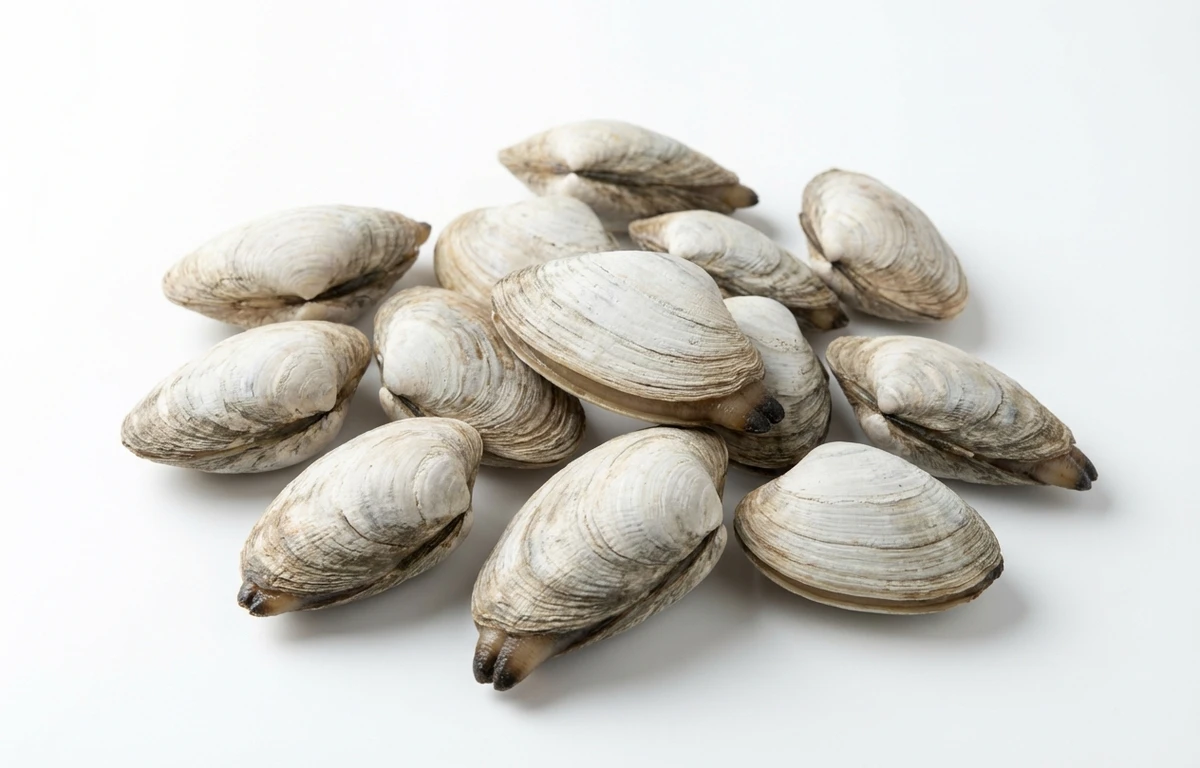
soft-shell clams.
VegetarianVeganGluten-freeDairy-freeNut-freePeanut-freeSoy-freeEgg-freeShellfish-freeHoney-freeAlcohol-freeKosher
ALSO KNOWN AS
steamer clams
SERVING
CALORIES
74
PROTEIN
12.8g
CARBS
2.9g
FAT
0.90g
FIBER
0g
This ingredient is flagged as naturally gluten-free. Per 100 g, it provides 0.10 µg of vitamin K.
NUTRITION PROFILE · per 100 g
Everything in this ingredient.
MACRONUTRIENTS
Calories74kcal—
Protein12.8g26%
Carbohydrates2.9g1%
Fiber0g0%
Sugar0g0%
Total fat0.90g1%
Saturated fat0.19g1%
Cholesterol34mg11%
MINERALS
Sodium290mg13%
Potassium260mg6%
Calcium13mg1%
Iron3.1mg17%
Magnesium40mg10%
Phosphorus180mg14%
Zinc1.6mg15%
Copper0.20mg22%
Manganese0.10mg4%
Selenium25.5µg46%
VITAMINS
Vitamin A10µg1%
Vitamin C10mg11%
Vitamin D0µg0%
Vitamin E0.50mg3%
Vitamin K0.10µg0%
Thiamin (B1)0.10mg8%
Riboflavin (B2)0.10mg8%
Niacin (B3)1.5mg9%
Pantothenic acid (B5)0.50mg10%
Vitamin B60.10mg6%
Folate (B9)15µg4%
Vitamin B1215µg625%
%DV based on a 2,000 cal diet. Source: USDA FoodData Central. A dash in the %DV column means there’s no established Daily Value for that nutrient.
MEASUREMENT CONVERSIONS
How much is what.
1 oz28.4g
1 lb453.6g
1 piece15g
HEALTH BENEFITS
Why eat it.
- ✓Excellent source of lean protein, essential for muscle building and repair.
- ✓High in Vitamin B12, crucial for nerve function and the formation of DNA and red blood cells.
- ✓Good source of omega-3 fatty acids, which support heart and brain health.
COOKING TIPS
In the kitchen.
- 1Before cooking, purge live clams of sand by soaking them in a bowl of cold, salted water (1/3 cup salt per gallon of water) for at least 20-60 minutes.
- 2The most common cooking method is steaming. Steam them in a pot with a small amount of liquid (water, wine, or broth) for 5-10 minutes, or until the shells open wide. Discard any clams that do not open.
- 3After steaming, the thin membrane covering the long neck (siphon) can be easily slipped off before eating.
- 4Soft-shell clams are prized for frying, especially the whole belly, and are a key ingredient in New England clam chowder.
STORAGE
Keep it fresh.
- Store live soft-shell clams in the refrigerator (around 40°F or 4°C) in an open container covered with a damp cloth. Do not store them in a sealed bag or submerged in water.
- For best quality and safety, cook and consume live clams within 1-2 days of purchase.
- Shucked clam meat can be stored in a sealed container in the refrigerator for up to 2 days or frozen for up to 3 months.
FAQ
Frequently asked questions.
Are soft-shell clams keto-friendly?
Yes, soft-shell clams are keto-friendly as they contain only 2.9g of carbohydrates per 100g. They are a great way to add high-quality protein and omega-3 fatty acids to a low-carb diet.
Is there a gluten-free way to eat soft-shell clams?
Naturally, soft-shell clams are gluten-free. To keep them that way, avoid breaded or fried preparations and instead enjoy them steamed with butter, garlic, and herbs.
How do you prepare soft-shell clams for cooking?
Because they cannot close their shells completely, they often contain sand. Soak them in cool salt water for about an hour to allow them to purge grit, then scrub the shells gently before steaming.
What do soft-shell clams taste like?
Soft-shell clams, often called 'steamers,' have a sweet, briny flavor and a more tender, delicate texture than hard-shell clams. They are prized for their ocean-fresh taste and soft meat.
How should I store fresh soft-shell clams?
Store them in the refrigerator in an open bowl covered with a damp paper towel to keep them moist. Do not store them in an airtight container or in fresh water, as they need to breathe to stay alive.
How can I tell if soft-shell clams are fresh or spoiled?
Fresh clams should smell like the ocean, not fishy or like ammonia. Since their shells don't close fully, look for movement in the 'neck' (siphon) when touched; if the clam is unresponsive or the shell is badly broken, discard it.
Can you eat the shell of a soft-shell clam?
No, the shells are not edible. They are called 'soft-shell' because their shells are thinner and more brittle than hard clams (quahogs), but they must still be removed before eating the meat.
Do I need to remove the skin from the clam's neck?
Yes, soft-shell clams have a long siphon or 'neck' covered in a dark, leathery skin. After steaming, it is common practice to peel this skin off with your fingers before dipping the clam in broth or butter.



















