Other
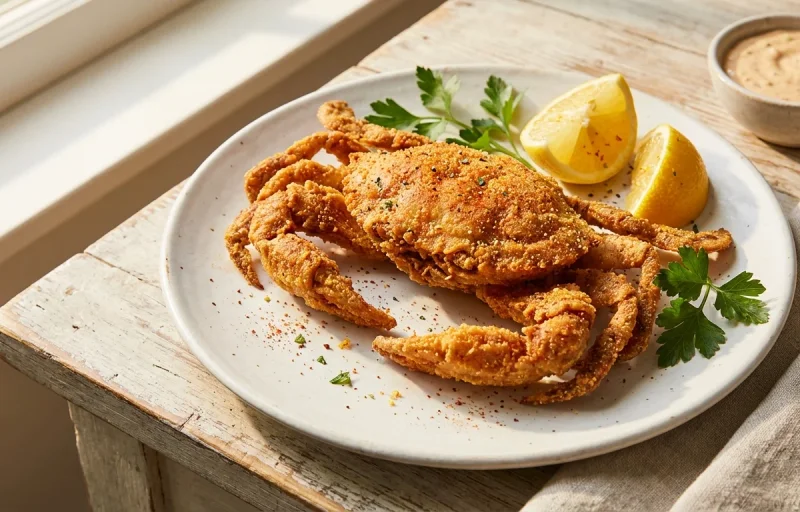
soft-shell crabs.
VegetarianVeganGluten-freeDairy-freeNut-freePeanut-freeSoy-freeEgg-freeShellfish-freeHoney-freeAlcohol-freeHalalKosher
ALSO KNOWN AS
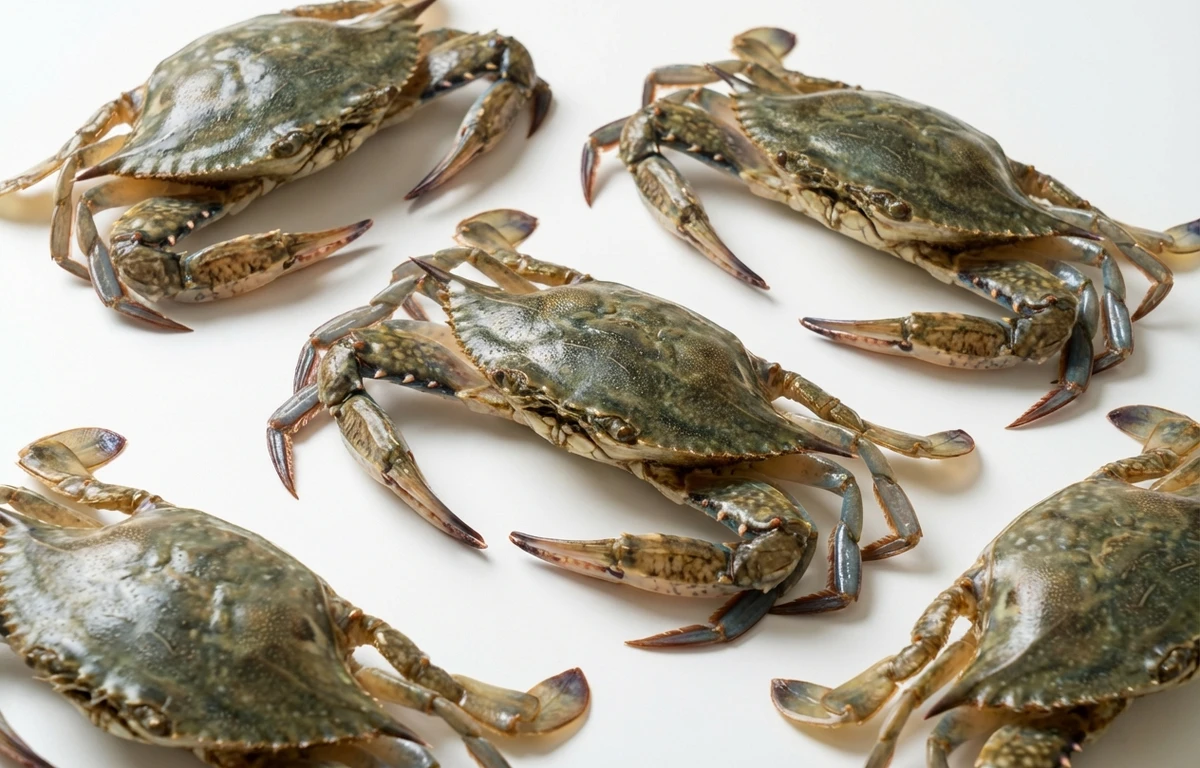
softiesblue crab soft shellmolting crabCallinectes sapidus soft shell
SERVING
CALORIES
87
PROTEIN
17.5g
CARBS
0g
FAT
1.1g
FIBER
0g
This ingredient is flagged as naturally gluten-free. Per 100 g, it provides 0.10 µg of vitamin K.
NUTRITION PROFILE · per 100 g
Everything in this ingredient.
MACRONUTRIENTS
Calories87kcal—
Protein17.5g35%
Carbohydrates0g0%
Fiber0g0%
Sugar0g0%
Total fat1.1g1%
Saturated fat0.20g1%
Trans fat0g—
Cholesterol78mg26%
Water79.5g—
MINERALS
Sodium295mg13%
Potassium260mg6%
Calcium89mg7%
Iron0.70mg4%
Magnesium34mg8%
Phosphorus190mg15%
Zinc3.5mg32%
Copper0.60mg67%
Manganese0.03mg1%
Selenium38.5µg70%
VITAMINS
Vitamin A1.0µg0%
Vitamin C3.3mg4%
Vitamin D0.10µg1%
Vitamin E1.5mg10%
Vitamin K0.10µg0%
Thiamin (B1)0.08mg7%
Riboflavin (B2)0.15mg12%
Niacin (B3)2.5mg16%
Pantothenic acid (B5)0.35mg7%
Vitamin B60.15mg9%
Folate (B9)44µg11%
Vitamin B129.0µg375%
%DV based on a 2,000 cal diet. Source: USDA FoodData Central. A dash in the %DV column means there’s no established Daily Value for that nutrient.
MEASUREMENT CONVERSIONS
How much is what.
1 oz28.4g
1 lb453.6g
1 piece100g
HEALTH BENEFITS
Why eat it.
- ✓Excellent source of high-quality lean protein
- ✓Extremely high in Vitamin B12 for nerve health
- ✓Contains Omega-3 fatty acids for heart health
COOKING TIPS
In the kitchen.
- 1Clean before cooking by snipping off the face, removing the apron, and pulling out the gills.
- 2Pat completely dry before frying or sautéing to ensure a crispy exterior.
- 3Cook quickly over high heat; they only need 3-4 minutes per side to become golden and tender.
STORAGE
Keep it fresh.
- Store live crabs in a cool, damp environment with air circulation; never in an airtight bag.
- Keep on ice in the refrigerator but ensure they are not submerged in melting water.
- Use fresh soft-shell crabs within 1 to 2 days of purchase for best quality.
FAQ
Frequently asked questions.
How long do soft-shell crabs last in the fridge?
They are highly perishable and should ideally be cooked the day they are purchased, but they can last 1-2 days if kept properly chilled and damp.
Can you freeze soft-shell crabs?
Yes, they can be frozen. It is best to clean them first, wrap them tightly in plastic wrap, and then place them in a freezer bag for up to 3 months.
How do I pick the best soft-shell crabs?
Look for crabs that are still alive and moving. They should have a fresh, salty smell like the ocean; avoid any that smell like ammonia.
Do you eat the whole soft-shell crab?
Yes, the entire crab is edible, including the shell, legs, and claws, once the face, gills, and apron have been removed.
What is the best way to clean them?
Use kitchen shears to snip off the front of the crab (eyes and mouth), lift the side flaps to pull out the feathery gills, and pull off the apron on the bottom.
What can I substitute for soft-shell crabs?
While the texture is unique, you can substitute with jumbo shrimp or hard-shell crab meat, though you will lose the edible shell experience.
Are soft-shell crabs high in cholesterol?
Like most shellfish, they contain a moderate amount of cholesterol (about 78mg per 100g), but they are very low in saturated fat.
When is soft-shell crab season?
The season typically runs from spring through early autumn, peaking in May, June, and July when blue crabs molt their shells.
What are common dishes for soft-shell crab?
They are most commonly served deep-fried, pan-seared in butter and garlic, or served in a sandwich (Soft-shell Crab Po' Boy).
RECIPES
Cook with soft-shell crabs.
0 recipes · sorted by what’s quick