
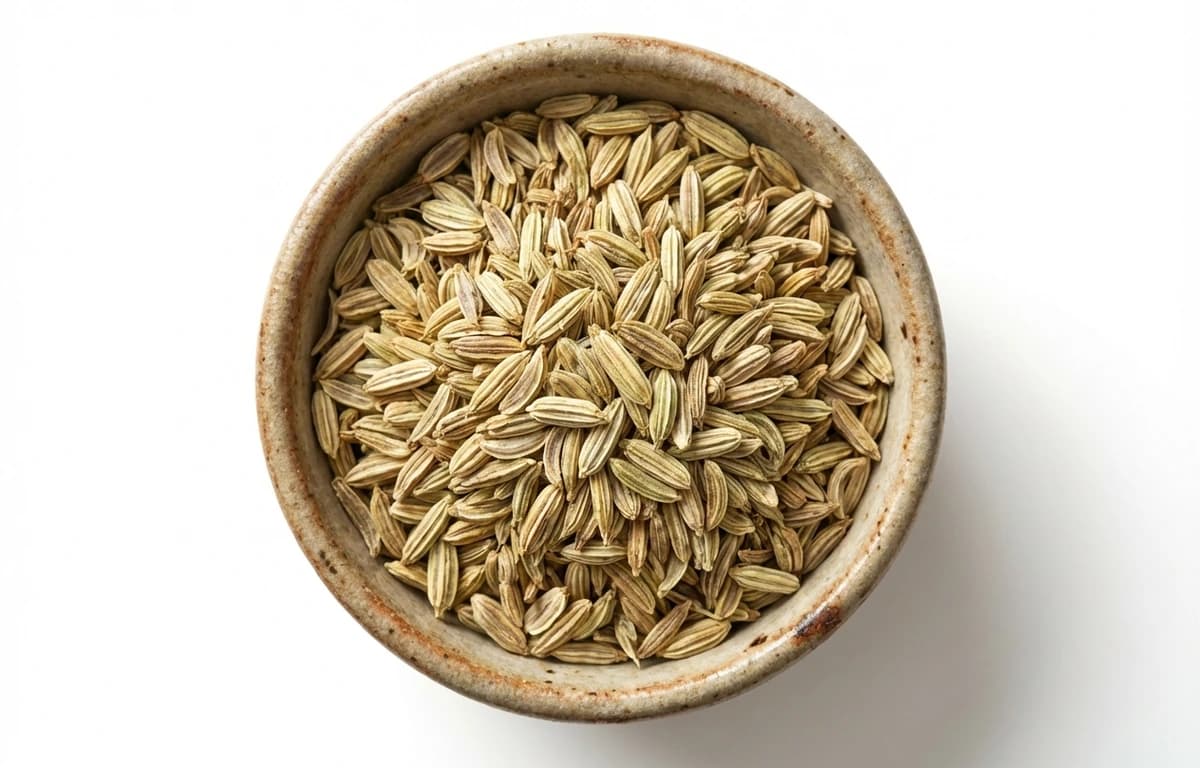
sombu
Also known as:
Loading...
Also known as:
Per 100g
Nutrition data source: USDA FoodData Central
Yes, sombu is highly nutritious and medicinal. It is rich in fiber, potassium, and antioxidants like anethole, which help reduce inflammation and support heart health. It is also low in sodium and cholesterol-free.
Sombu is best known for aiding digestion by relaxing intestinal muscles and reducing gas and bloating. It also acts as a natural mouth freshener and contains antioxidants like quercetin that help combat oxidative stress.
Per 100g, sombu contains approximately 345 calories and 15.8g of protein. While it is calorie-dense, it is typically consumed in very small quantities as a spice, contributing minimal calories to a meal.
Yes, sombu is keto-friendly when used as a spice. Although it contains about 52.29g of carbs per 100g, the amount used in a typical serving is so small that it will not significantly impact your daily carbohydrate limit.
Yes, sombu is a plant-based seed and is naturally vegan and gluten-free. It is safe for individuals with celiac disease or those following a strict vegan diet.
Sombu has a sweet, aromatic, and slightly licorice-like flavor. It is less pungent than anise but provides a refreshing, cooling sensation on the palate, making it popular in both savory and sweet dishes.
It is used whole or ground in spice blends, curries, and baked goods. In Indian cuisine, it is a key ingredient in tempering and is frequently used to flavor meat dishes, seafood, and pickles.
sombu is a versatile ingredient found in cuisines around the world. With 345 calories per 100g and 15.8 grams of protein, it's a nutritious addition to many dishes.
Explore more ingredients in the spice category with complete nutrition information.
View all spice →Yes, sombu is commonly eaten raw, especially after meals in many cultures. Chewing on raw seeds helps freshen breath due to its antibacterial properties and stimulates the production of digestive enzymes.
Store sombu in an airtight container in a cool, dark, and dry place to preserve its essential oils. When stored properly, whole seeds can maintain their flavor and potency for up to two years.
Yes, sombu may help regulate blood pressure due to its high potassium content. Potassium helps balance the negative effects of salt and eases tension in the blood vessel walls.