
Loading...
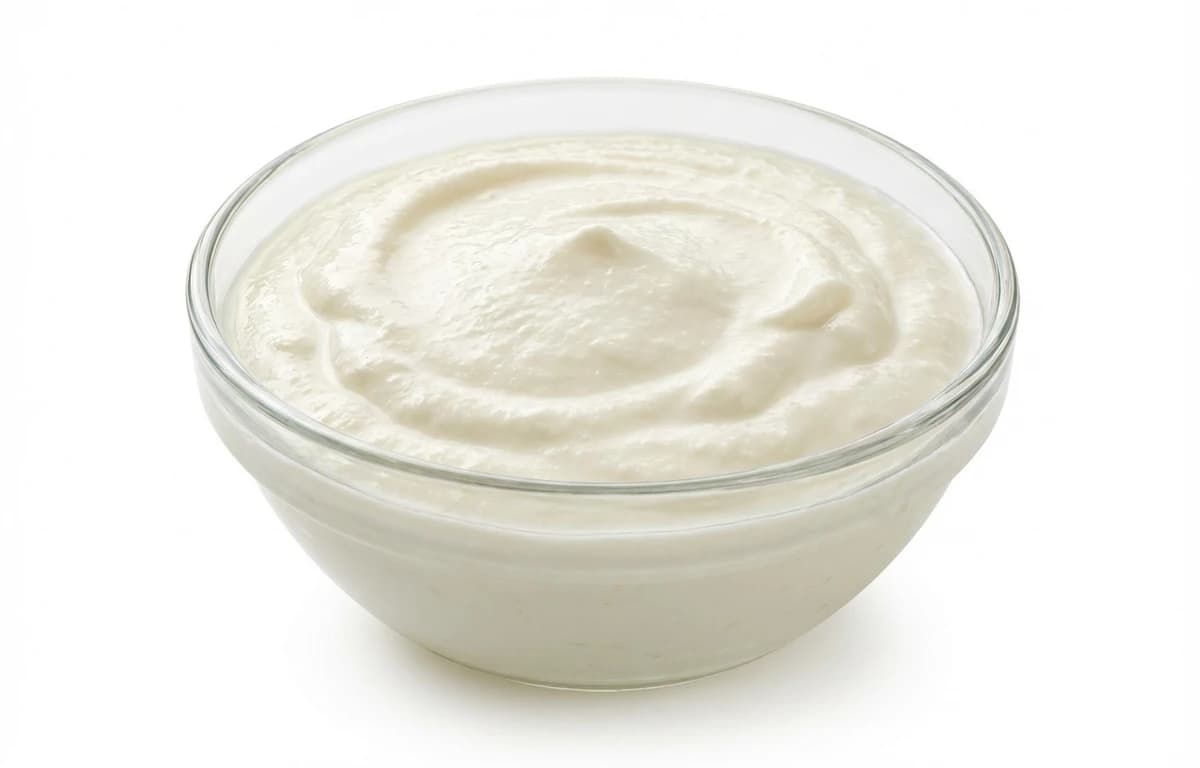
Also known as: khatta dahi, sour curd, Sour Yogurt
Per 100g
Nutrition data source: USDA FoodData Central
Common measurement equivalents in grams
Yes, sour curd is very healthy as it is packed with probiotics that support gut health and improve digestion. It is also an excellent source of calcium for bone strength and provides essential protein for muscle repair and immunity.
A 100g serving of sour curd contains approximately 60 calories and 3.5g of protein. It also provides about 4.7g of carbohydrates and 3.3g of fat, making it a balanced dairy addition to most meals.
Yes, sour curd can be beneficial for weight loss because it is relatively low in calories and its protein content helps promote satiety. The probiotics also support a healthy gut microbiome, which is linked to better metabolic health.
No, sour curd is not vegan. It is a dairy product made from animal milk through the process of fermentation, though it is perfectly suitable for lacto-vegetarians.
Sour curd is generally keto-friendly when consumed in moderation, as it contains about 4.7g of carbs per 100g. It provides healthy fats and protein that fit well within a low-carb or ketogenic lifestyle.
Sour curd is frequently used as a natural meat tenderizer in marinades due to its acidity. It is also a key ingredient in traditional dishes like Kadhi, used as a base for creamy gravies, or added to baking recipes to help dough rise and stay moist.
The main difference is the fermentation time; sour curd is fermented longer or at higher temperatures, leading to a higher concentration of lactic acid. This results in a sharper, tangier taste and a slightly more acidic profile compared to fresh, mild curd.
Sour Curd is a versatile ingredient found in cuisines around the world. With 60 calories per 100g and 3.5 grams of protein, it's a nutritious addition to many dishes.
Explore more ingredients in the dairy product category with complete nutrition information.
View all dairy product →Explore more ingredients similar to Sour Curd.
The most-searched ingredients on CraftMyMeals.
Store sour curd in an airtight container in the refrigerator to prevent it from becoming excessively sour or picking up other food odors. When refrigerated properly, it typically remains safe and flavorful for 1 to 2 weeks.
While it is naturally tangy, signs of spoilage include a foul or yeasty odor, visible mold (fuzzy spots of green, black, or pink), or an extremely bitter taste. If the texture becomes excessively slimy or develops a pinkish hue, it should be discarded.
Sour curd is not lactose-free, but it is often easier to digest than fresh milk because the fermentation process breaks down some of the lactose. Many people with mild lactose sensitivity can tolerate small amounts of curd without discomfort.