
Loading...
Also known as:
Per 100g
Nutrition data source: USDA FoodData Central
Common measurement equivalents in grams
Yes, sourdough starter is highly beneficial as the fermentation process breaks down gluten and phytic acid, making the final bread easier to digest. It also lowers the glycemic index of baked goods, which helps in managing blood sugar levels compared to standard white bread.
Per 100g, sourdough starter contains approximately 180 calories, 38g of carbohydrates, 5g of protein, and 0.5g of fat. While it is a carbohydrate source, the fermentation process increases the bioavailability of vitamins and minerals like B vitamins, iron, and zinc.
Traditional sourdough starter is not gluten-free because it is typically made with wheat or rye flour. While the fermentation process significantly reduces the gluten content, it is still unsafe for those with celiac disease unless the starter is specifically made using gluten-free flours like rice or buckwheat.
Yes, sourdough starter is vegan. It is a simple, natural mixture of flour and water that captures wild yeast and lactic acid bacteria from the air and the flour itself, containing no animal products.
Active sourdough starter is rich in beneficial lactic acid bacteria, which are probiotics. However, these live bacteria are killed during the high heat of the baking process; despite this, the bread still offers 'postbiotic' benefits and improved digestibility.
If you bake daily, keep the starter at room temperature and feed it every 12 to 24 hours. For occasional baking, store it in the refrigerator in a glass jar and feed it once a week to maintain the yeast culture in a dormant state.
Sourdough Starter is a versatile ingredient found in cuisines around the world. With 180 calories per 100g and 5 grams of protein, it's a nutritious addition to many dishes.
Explore more ingredients in the fermented grain product category with complete nutrition information.
View all fermented grain product →Discover 1 recipes featuring sourdough starter with step-by-step instructions.
Browse recipes →Explore more ingredients similar to Sourdough Starter.
The most-searched ingredients on CraftMyMeals.
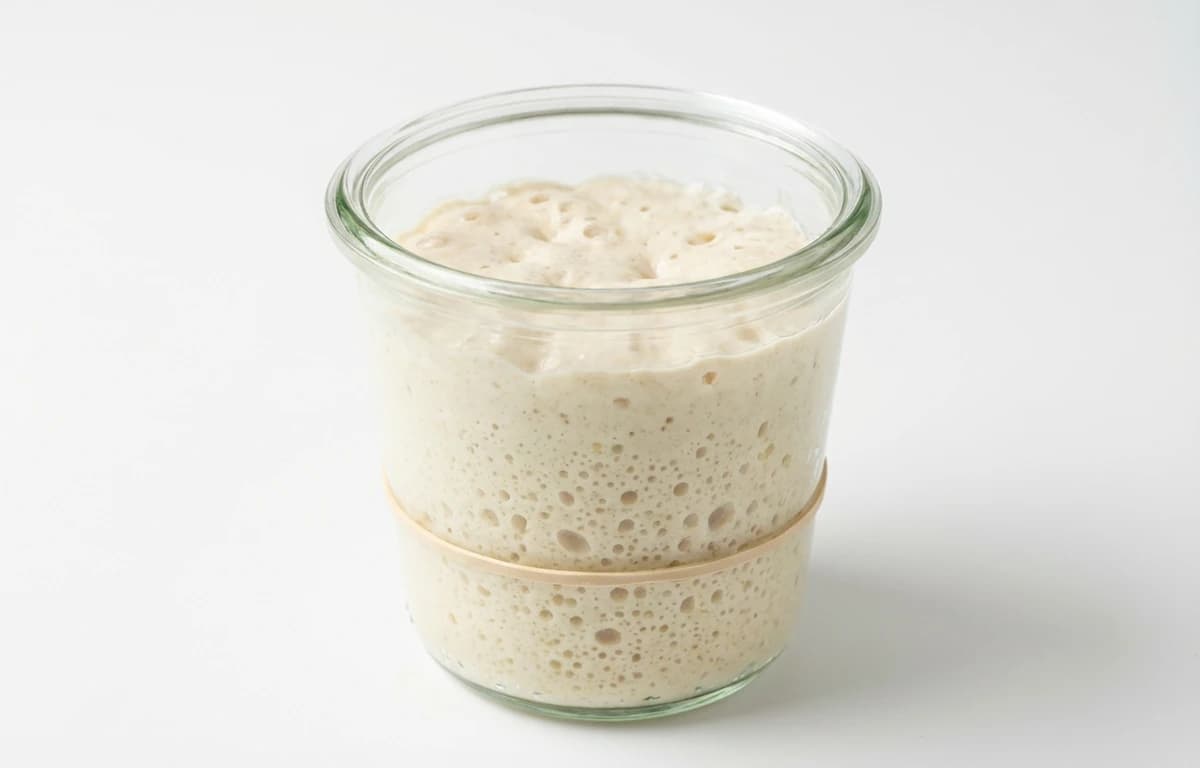
A healthy starter should smell yeasty, vinegary, or slightly fruity. If you see fuzzy mold (pink, orange, or black) or if it develops a putrid, foul odor, it has been contaminated and must be discarded. A dark liquid on top, called 'hooch,' is normal and just indicates the starter is hungry.
Sourdough starter has a complex, tangy, and acidic flavor. The specific taste depends on the age of the starter and the types of wild yeast present, ranging from mildly fruity to sharply vinegary.
Absolutely. The 'discard' removed during the feeding process can be used in recipes that don't require a massive rise, such as pancakes, waffles, crackers, and muffins. It adds a distinct tangy flavor and improves the nutritional profile of these snacks.
Grains naturally contain phytic acid, which can block the absorption of minerals like calcium and magnesium. The lactic acid bacteria in sourdough starter neutralize phytic acid during fermentation, allowing your body to absorb more nutrients from the grain.