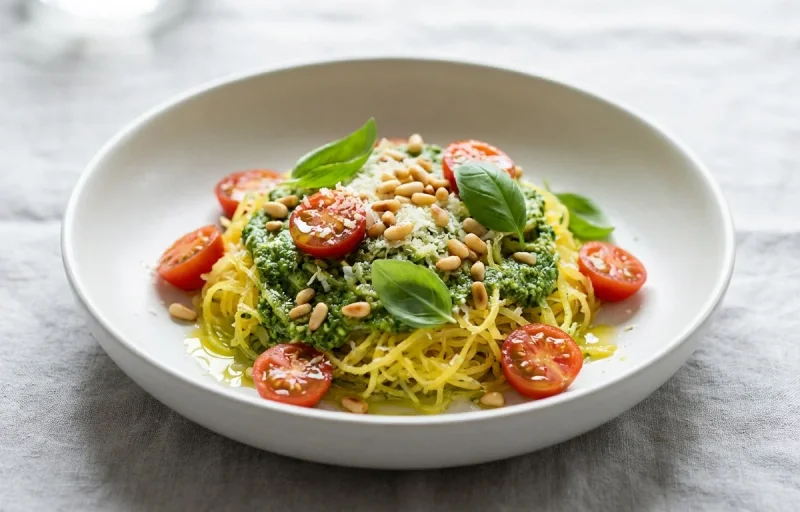
Vegetable1 recipes
spaghetti squash.
VegetarianVeganGluten-freeDairy-freeNut-freePeanut-freeSoy-freeEgg-freeShellfish-freeHoney-freeAlcohol-free
ALSO KNOWN AS
spaghetti marrowspaghetti squashboiled unsalted spaghetti squash
SERVING
CALORIES
31
PROTEIN
0.64g
CARBS
6.9g
FAT
0.57g
FIBER
1.5g
This ingredient is flagged as naturally gluten-free. Per 100 g, it provides 0.30 µg of vitamin K.
NUTRITION PROFILE · per 100 g
Everything in this ingredient.
MACRONUTRIENTS
Calories31kcal—
Protein0.64g1%
Carbohydrates6.9g3%
Fiber1.5g5%
Sugar2.8g6%
Total fat0.57g1%
Saturated fat0.12g1%
Trans fat0g—
Cholesterol0mg0%
Water91.6g—
MINERALS
Sodium17mg1%
Potassium108mg2%
Calcium21mg2%
Iron0.31mg2%
Magnesium12mg3%
Phosphorus12mg1%
Zinc0.19mg2%
Copper0.04mg4%
Manganese0.09mg4%
Selenium0.30µg1%
VITAMINS
Vitamin A6.0µg1%
Vitamin C2.1mg2%
Vitamin D0µg0%
Vitamin E0.13mg1%
Vitamin K0.30µg0%
Thiamin (B1)0.04mg3%
Riboflavin (B2)0.02mg2%
Niacin (B3)0.42mg3%
Pantothenic acid (B5)0.16mg3%
Vitamin B60.10mg6%
Folate (B9)12µg3%
Vitamin B120µg0%
%DV based on a 2,000 cal diet. Source: USDA FoodData Central. A dash in the %DV column means there’s no established Daily Value for that nutrient.
MEASUREMENT CONVERSIONS
How much is what.
1 cup155g
1 tablespoon9.7g
1 teaspoon3.2g
1 ml0.6g
1 liter645.8g
1 piece1100g
HEALTH BENEFITS
Why eat it.
- ✓Provides essential B vitamins, such as B6 and niacin, which are crucial for energy metabolism and overall cellular function.
COOKING TIPS
In the kitchen.
- 1For easy and safe cutting, pierce the squash several times with a knife and microwave for 3-5 minutes to soften the skin before slicing it in half lengthwise.
- 2To achieve long, spaghetti-like strands, cut the squash into rings crosswise before roasting. After cooking, the strands will separate more easily.
- 3Roast cut-side down on a baking sheet at 400°F (200°C) for 30-45 minutes until the flesh is tender. This method prevents the squash from becoming watery.
- 4After cooking and separating the strands with a fork, pat them with a paper towel to remove excess moisture before adding sauce.
STORAGE
Keep it fresh.
- Store whole, uncut spaghetti squash in a cool, dark, and well-ventilated place (like a pantry or cellar) for up to three months.
- Once cut, wrap the pieces tightly in plastic wrap or place in an airtight container and refrigerate for up to one week.
- Cooked spaghetti squash can be stored in an airtight container in the refrigerator for 4-5 days or frozen for up to 8 months.
FAQ
Frequently asked questions.
Is spaghetti squash keto-friendly?
Yes, spaghetti squash is considered keto-friendly when consumed in moderation. With approximately 6.9g of carbohydrates per 100g, it has significantly fewer carbs than grain-based pasta, making it a staple for low-carb diets.
How do you cook spaghetti squash?
The most common method is roasting: cut the squash in half, remove the seeds, and bake at 400°F (200°C) for 40-50 minutes. Once tender, use a fork to scrape the flesh, which naturally separates into spaghetti-like strands.
What does spaghetti squash taste like?
It has a very mild, slightly sweet, and nutty flavor. Its neutral profile makes it a versatile base that easily adopts the flavors of whatever sauce, such as marinara or pesto, it is paired with.
How do you store spaghetti squash?
Whole spaghetti squash should be stored in a cool, dry place for up to 1-2 months. Once cooked, the strands should be kept in an airtight container in the refrigerator and consumed within 3 to 5 days.
Can you eat the seeds of a spaghetti squash?
Yes, the seeds are edible and highly nutritious. Similar to pumpkin seeds, they can be cleaned, seasoned, and roasted in the oven to create a crunchy, fiber-rich snack.
How do you know if a spaghetti squash is fresh?
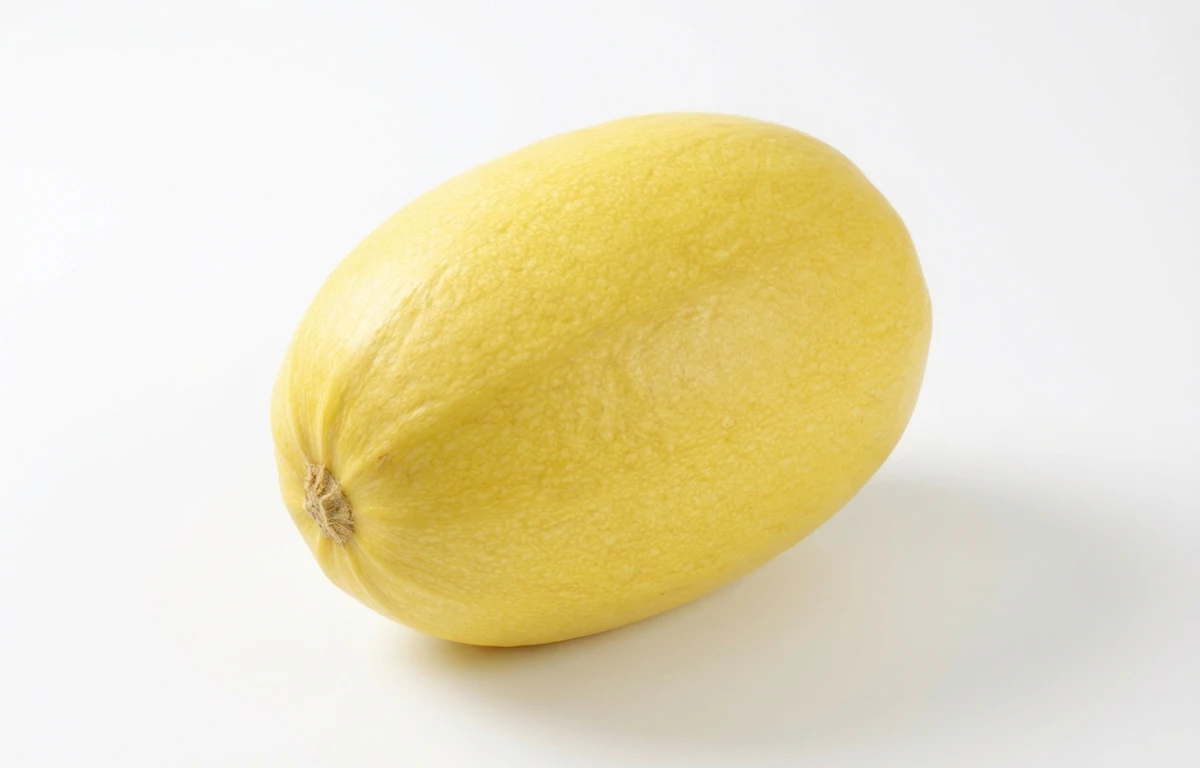
A fresh spaghetti squash should feel heavy for its size and have a firm, matte skin without soft spots or cracks. The color should be a consistent golden yellow; avoid squash with a green tint as it may be underripe.
Can you freeze spaghetti squash?
Yes, you can freeze cooked spaghetti squash. To maintain the best texture, squeeze out excess moisture from the cooked strands before placing them in a freezer bag; it will stay good for up to 8 months.
RECIPES
Cook with spaghetti squash.
1 recipes · sorted by what’s quick