
Other
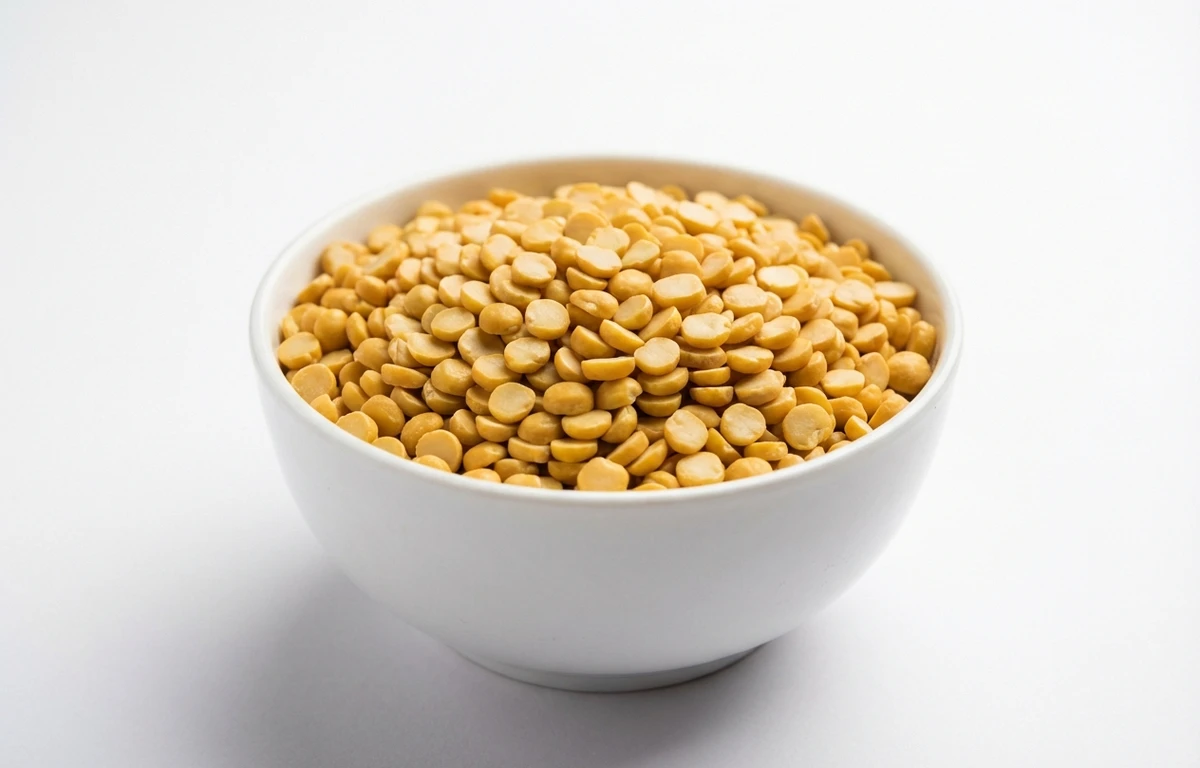
split yellow gram.
VegetarianVeganGluten-freeDairy-freeNut-freePeanut-freeSoy-freeEgg-freeShellfish-freeHoney-freeAlcohol-free
SERVING
CALORIES
347
PROTEIN
23.9g
CARBS
62.6g
FAT
1.1g
FIBER
16.3g
This ingredient is flagged as naturally gluten-free. Per 100 g, it provides 9.1 µg of vitamin K.
NUTRITION PROFILE · per 100 g
Everything in this ingredient.
MACRONUTRIENTS
Calories347kcal—
Protein23.9g48%
Carbohydrates62.6g23%
Fiber16.3g58%
Sugar6.6g13%
Total fat1.1g1%
Saturated fat0.27g1%
Trans fat0g—
Cholesterol0mg0%
Water9.1g—
MINERALS
Sodium15mg1%
Potassium1246mg27%
Calcium132mg10%
Iron6.7mg37%
Magnesium189mg45%
Phosphorus367mg29%
Zinc2.7mg24%
Copper0.94mg104%
Manganese1.0mg45%
Selenium8.2µg15%
VITAMINS
Vitamin A6.0µg1%
Vitamin C0mg0%
Vitamin D0µg0%
Vitamin E0.51mg3%
Vitamin K9.1µg8%
Thiamin (B1)0.62mg52%
Riboflavin (B2)0.23mg18%
Niacin (B3)2.3mg14%
Pantothenic acid (B5)1.9mg38%
Vitamin B60.38mg22%
Folate (B9)625µg156%
Vitamin B120µg0%
%DV based on a 2,000 cal diet. Source: USDA FoodData Central. A dash in the %DV column means there’s no established Daily Value for that nutrient.
MEASUREMENT CONVERSIONS
How much is what.
1 cup190g
1 tablespoon12g
1 teaspoon4g
HEALTH BENEFITS
Why eat it.
- ✓Good source of essential nutrients like potassium, magnesium, and folate, supporting heart health and cell function.
- ✓Easy to digest compared to other legumes, making it a good choice for light meals or for those with digestive sensitivities.
COOKING TIPS
In the kitchen.
- 1Rinse the lentils under cold water before cooking to remove any dust or debris. Soaking for 30 minutes can reduce cooking time.
- 2It cooks quickly and breaks down easily, making it ideal for creating creamy soups, stews, and traditional dal.
- 3Combine with grains like rice or quinoa to form a complete protein, providing all essential amino acids.
- 4For enhanced flavor, temper cooked split yellow gram with spices like cumin, turmeric, and asafoetida fried in ghee or oil (a technique known as 'tadka').
STORAGE
Keep it fresh.
- Store in a cool, dry, and dark place in an airtight container to prevent moisture and pest infestation.
- When stored properly, it can last for up to one year, though it's best consumed within six months for optimal flavor and texture.
FAQ
Frequently asked questions.
Is split yellow gram healthy?
Yes, split yellow gram is highly nutritious. It is rich in plant-based protein, dietary fiber, and essential minerals like potassium and magnesium, which support heart health and muscle function.
How much protein is in split yellow gram?
Split yellow gram is an excellent source of plant protein, providing approximately 23.86g of protein per 100g of dry weight. This makes it a staple for vegetarians and vegans looking to meet their daily protein requirements.
Do I need to soak split yellow gram before cooking?
While not strictly necessary because it is small and split, soaking for 15-30 minutes can reduce cooking time and further improve digestibility. It typically cooks quickly, taking about 15-20 minutes on the stovetop.
What does split yellow gram taste like?
Split yellow gram has a mild, slightly sweet, and nutty flavor. Its soft texture when cooked allows it to absorb spices and seasonings well, making it a versatile base for soups, stews, and traditional dals.
How should I store split yellow gram and how long does it last?
Store dry split yellow gram in an airtight container in a cool, dry, and dark place. When stored properly, it can last for up to 12 months, though it is best consumed within 6 months for optimal flavor.
Is split yellow gram easy to digest?
Yes, it is considered one of the easiest legumes to digest. Because the outer skin is removed, it is less likely to cause gas or bloating compared to whole beans, making it ideal for those with sensitive stomachs.
Can I use split yellow gram as a substitute for other lentils?
Yes, it can substitute for red lentils or split yellow peas in most recipes. Note that it cooks faster than yellow peas and has a creamier consistency than larger lentils, so you may need to adjust your cooking time.



















