Grain
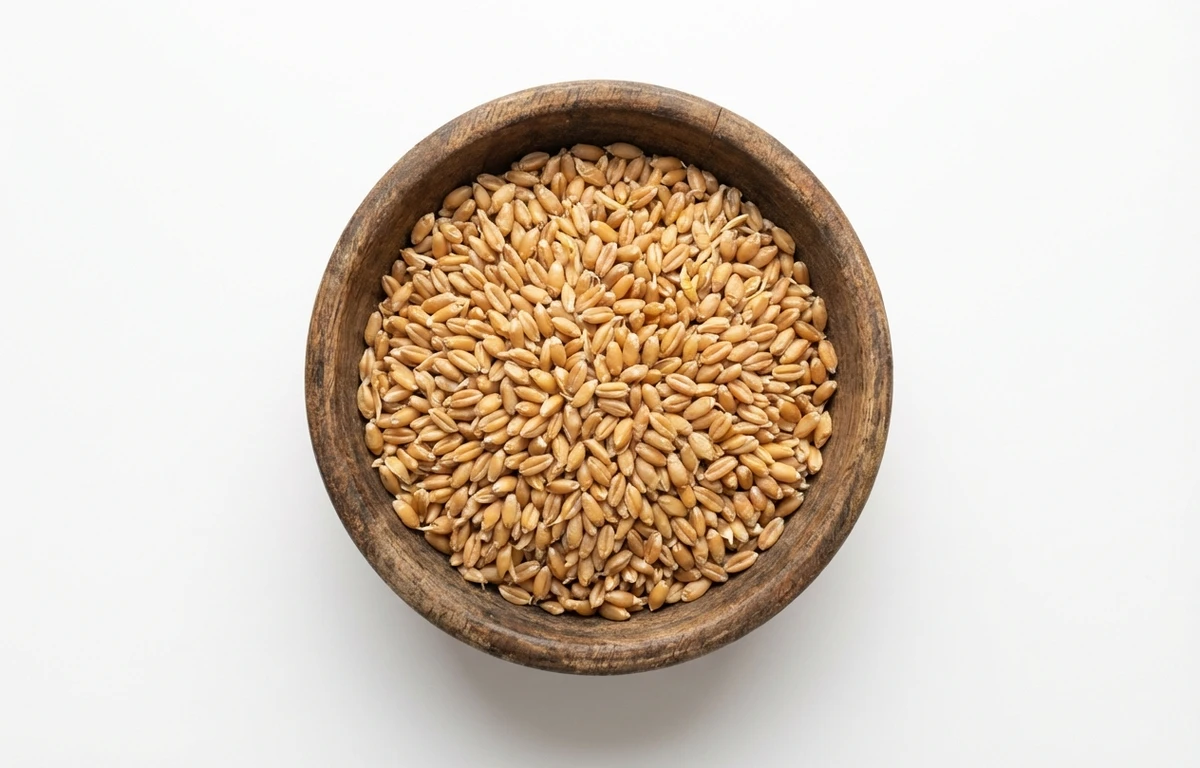
sprouted wheat.
VegetarianVeganGluten-freeDairy-freeNut-freePeanut-freeSoy-freeEgg-freeShellfish-freeHoney-freeAlcohol-freeWhole grain
ALSO KNOWN AS
wheat sproutsankurit gehunsprouted wheat berriesgerminated wheat
SERVING
CALORIES
198
PROTEIN
7.5g
CARBS
42.5g
FAT
1.3g
FIBER
1.1g
NUTRITION PROFILE · per 100 g
Everything in this ingredient.
MACRONUTRIENTS
Calories198kcal—
Protein7.5g15%
Carbohydrates42.5g15%
Fiber1.1g4%
Sugar0.10g0%
Total fat1.3g2%
Saturated fat0.20g1%
Trans fat0g—
Cholesterol0mg0%
Water47.8g—
MINERALS
Sodium16mg1%
Potassium169mg4%
Calcium28mg2%
Iron2.1mg12%
Magnesium82mg20%
Phosphorus200mg16%
Zinc1.7mg15%
Copper0.26mg29%
Manganese1.9mg83%
Selenium42.5µg77%
VITAMINS
Vitamin A0µg0%
Vitamin C2.6mg3%
Vitamin D0µg0%
Vitamin E0.50mg3%
Vitamin K1.9µg2%
Thiamin (B1)0.23mg19%
Riboflavin (B2)0.16mg12%
Niacin (B3)3.1mg19%
Pantothenic acid (B5)0.90mg18%
Vitamin B60.27mg16%
Folate (B9)38µg10%
Vitamin B120µg0%
%DV based on a 2,000 cal diet. Source: USDA FoodData Central. A dash in the %DV column means there’s no established Daily Value for that nutrient.
MEASUREMENT CONVERSIONS
How much is what.
1 cup160g
1 tablespoon10g
1 teaspoon3.3g
1 oz28.4g
1 lb453.6g
HEALTH BENEFITS
Why eat it.
- ✓Increased nutrient bioavailability compared to unsprouted grains
- ✓Easier to digest due to broken down starches
- ✓Rich in antioxidants like Vitamin C and E
- ✓Lower glycemic index than regular wheat flour
- ✓High in folate which supports cell repair
COOKING TIPS
In the kitchen.
- 1Can be eaten raw in salads for a crunchy texture
- 2Steam lightly for 5 minutes to improve safety and digestibility
- 3Dehydrate and grind into flour for nutrient-dense sprouted bread
STORAGE
Keep it fresh.
- Store in an airtight container in the refrigerator
- Ensure sprouts are dry before storing to prevent mold
- Use within 3 to 5 days for maximum freshness
FAQ
Frequently asked questions.
How long does sprouted wheat last?
Sprouted wheat typically lasts 3-5 days in the refrigerator when stored in an airtight container.
Can you freeze sprouted wheat?
Yes, you can freeze sprouted wheat for up to 3 months. Spread them on a tray to freeze individually before transferring to a bag.
Does sprouted wheat contain gluten?
Yes, sprouted wheat still contains gluten, although some people find it easier to digest than regular wheat.
How do I know if sprouted wheat has gone bad?
Discard if the sprouts feel slimy, have a sour or musty odor, or show any signs of dark mold.
What is the best way to eat sprouted wheat?
It is versatile; use it in salads, stir-frys, smoothies, or as a base for sprouted grain breads like Essene bread.
Should I wash sprouted wheat before eating?
Yes, always rinse sprouted wheat thoroughly under cold running water before consumption to remove any surface bacteria.
What can I use as a substitute for sprouted wheat?
Sprouted rye, sprouted barley, or cooked wheat berries are the best alternatives.
Is sprouted wheat better than regular wheat?
Nutritionally, yes; the sprouting process reduces anti-nutrients like phytic acid and increases the concentration of vitamins.