Other1 recipes
squirrel.
VegetarianVeganGluten-freeDairy-freeNut-freePeanut-freeSoy-freeEgg-freeShellfish-freeHoney-freeAlcohol-freeHalalKosher
ALSO KNOWN AS
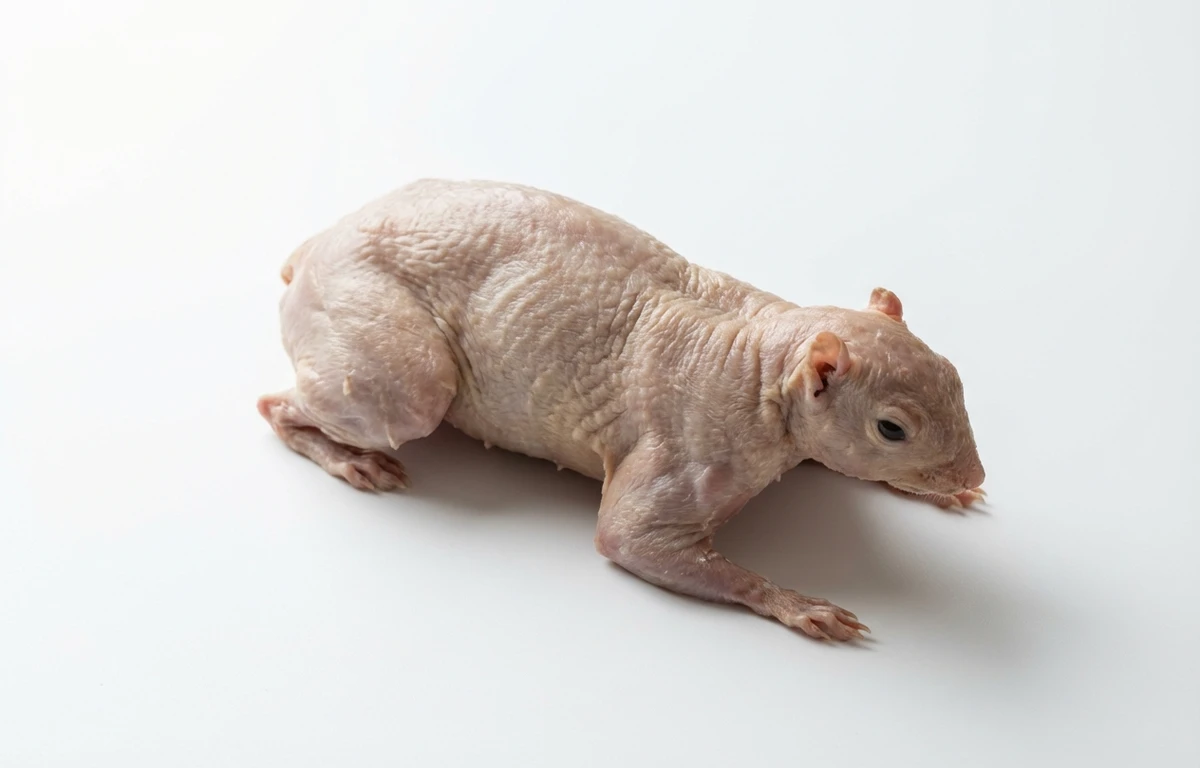
raw squirrel
SERVING
CALORIES
120
PROTEIN
21.4g
CARBS
0g
FAT
3.2g
FIBER
0g
This ingredient is flagged as naturally gluten-free. Per 100 g, it provides 1.1 µg of vitamin K.
NUTRITION PROFILE · per 100 g
Everything in this ingredient.
MACRONUTRIENTS
Calories120kcal—
Protein21.4g43%
Carbohydrates0g0%
Fiber0g0%
Sugar0g0%
Total fat3.2g4%
Saturated fat0.70g3%
Trans fat0g—
Cholesterol83mg28%
Water74g—
MINERALS
Sodium72mg3%
Potassium350mg7%
Calcium12mg1%
Iron3.8mg21%
Magnesium24mg6%
Phosphorus210mg17%
Zinc2.9mg26%
Copper0.20mg22%
Manganese0.02mg1%
Selenium14.5µg26%
VITAMINS
Vitamin A0µg0%
Vitamin C0mg0%
Vitamin E0.30mg2%
Vitamin K1.1µg1%
Thiamin (B1)0.10mg8%
Riboflavin (B2)0.20mg15%
Niacin (B3)5.4mg34%
Pantothenic acid (B5)0.70mg14%
Vitamin B60.40mg24%
Folate (B9)6.0µg2%
Vitamin B122.5µg104%
%DV based on a 2,000 cal diet. Source: USDA FoodData Central. A dash in the %DV column means there’s no established Daily Value for that nutrient.
MEASUREMENT CONVERSIONS
How much is what.
1 oz28.4g
1 lb453.6g
1 piece300g
HEALTH BENEFITS
Why eat it.
- ✓High quality lean protein source
- ✓Rich in Vitamin B12 for nerve health
- ✓Low in saturated fat compared to beef
COOKING TIPS
In the kitchen.
- 1Brine the meat in salt water for several hours to reduce gamey flavor
- 2Slow cook or braise older squirrels to tenderize the tough muscle fibers
- 3Young squirrels can be pan-fried or roasted similar to chicken
STORAGE
Keep it fresh.
- Store raw meat in the coldest part of the refrigerator for 1-2 days
- Freeze in airtight, vacuum-sealed bags for up to 6 months
- Thaw slowly in the refrigerator before cooking
FAQ
Frequently asked questions.
What does squirrel meat taste like?
Squirrel meat is lean and has a mild, nutty, and slightly gamey flavor, often compared to dark meat chicken or rabbit.
How long can I store squirrel in the freezer?
When properly wrapped or vacuum-sealed, squirrel meat can last up to 6 months in the freezer without significant quality loss.
What is the best way to cook an older squirrel?
Older squirrels are quite tough; they are best prepared using slow-cooking methods like stews, pot pies, or braising for several hours.
Can I substitute squirrel for other meats?
Yes, squirrel is an excellent substitute for rabbit or chicken thighs in most recipes, especially in stews like Brunswick stew.
Is squirrel meat healthy?
Yes, it is a very lean, high-protein meat that is low in fat and calories while being rich in iron and B vitamins.
How do I identify a young squirrel for frying?
Younger squirrels generally have sharper claws, softer pads on their feet, and more flexible rib cages compared to older ones.
Should I soak squirrel meat before cooking?
Soaking in a salt brine or milk for a few hours is highly recommended to draw out blood and mellow the gamey taste.
RECIPES
Cook with squirrel.
1 recipes · sorted by what’s quick