
Grain
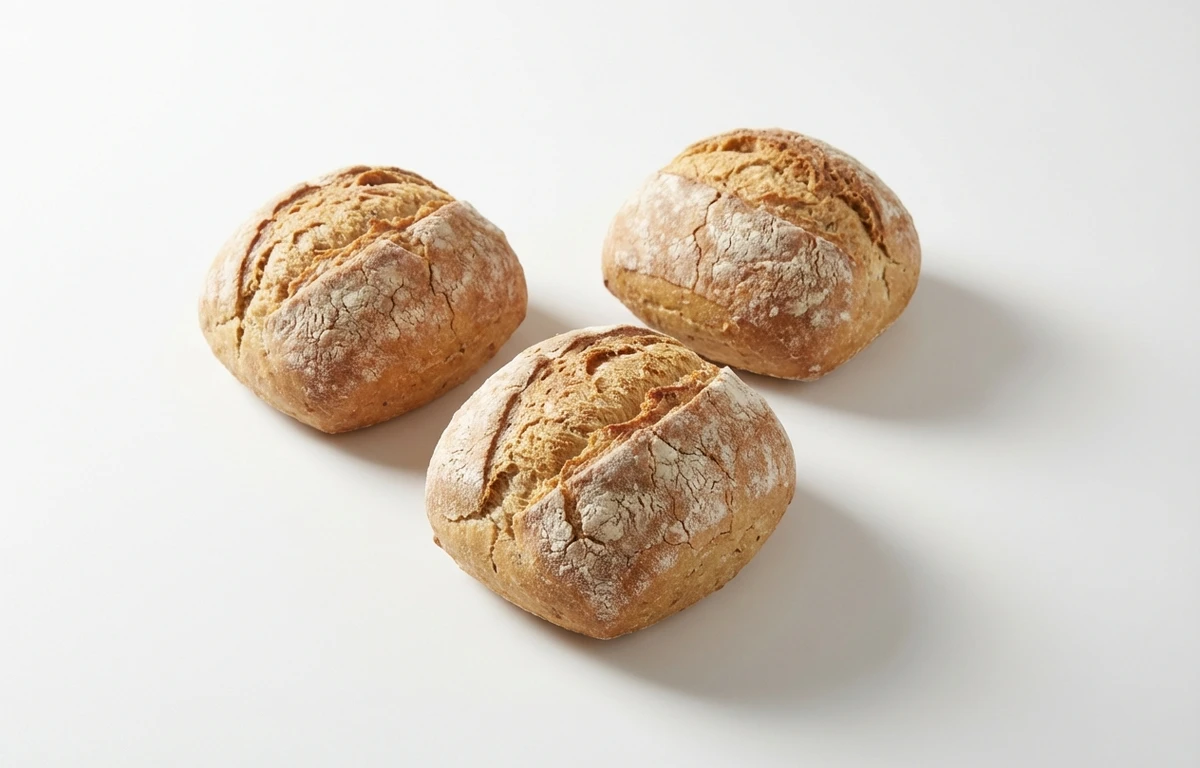
stale bread rolls.
VegetarianVeganGluten-freeDairy-freeNut-freePeanut-freeSoy-freeEgg-freeShellfish-freeHoney-freeAlcohol-freeFermented
ALSO KNOWN AS
day-old bread rollhardened rollStale Bread Rollday-old bread rollsबासी पाव
SERVING
CALORIES
265
PROTEIN
9.5g
CARBS
49g
FAT
3.5g
FIBER
2.5g
NUTRITION PROFILE · per 100 g
Everything in this ingredient.
MACRONUTRIENTS
Calories265kcal—
Protein9.5g19%
Carbohydrates49g18%
Fiber2.5g9%
Sugar5.0g10%
Total fat3.5g4%
Saturated fat0.80g4%
Water36g—
MINERALS
Sodium490mg21%
Potassium110mg2%
Calcium100mg8%
Iron3.6mg20%
Magnesium23mg5%
Phosphorus105mg8%
Zinc0.59mg5%
Copper0.10mg11%
Manganese0.30mg13%
Selenium22.8µg41%
VITAMINS
Vitamin E0.10mg1%
Vitamin K0.50µg0%
Thiamin (B1)0.30mg25%
Riboflavin (B2)0.23mg18%
Niacin (B3)3.0mg19%
Pantothenic acid (B5)0.33mg7%
Vitamin B60.04mg2%
Folate (B9)101µg25%
Vitamin B120µg0%
%DV based on a 2,000 cal diet. Source: USDA FoodData Central. A dash in the %DV column means there’s no established Daily Value for that nutrient.
MEASUREMENT CONVERSIONS
How much is what.
1 piece35g
HEALTH BENEFITS
Why eat it.
- ✓Reduces food waste by enabling the repurposing of an otherwise discarded ingredient.
- ✓Provides carbohydrates, which are the body's primary source of energy.
- ✓The process of staling (starch retrogradation) can slightly lower the glycemic index compared to fresh bread, potentially leading to a slower release of sugar into the bloodstream.
- ✓Can be a source of dietary fiber, especially if made from whole wheat flour, which supports digestive health.
COOKING TIPS
In the kitchen.
- 1Create homemade croutons by dicing the rolls, tossing with olive oil and seasonings, and baking at 375°F (190°C) until golden and crisp.
- 2Use as the absorbent base for classic dishes like bread pudding, French toast casserole, stuffing, or Italian panzanella salad.
- 3Process in a food processor or grate on a box grater to make fresh breadcrumbs, perfect for coating fried foods, binding meatballs, or topping casseroles.
- 4To slightly revive, spritz the roll with a small amount of water and warm it in a hot oven for 5-7 minutes until the crust is crisp again.
STORAGE
Keep it fresh.
- Store in a paper bag or a bread box at room temperature to allow air circulation, which prevents mold while letting the bread dry out completely.
- For long-term storage, cut into cubes or process into breadcrumbs and freeze in an airtight container or freezer bag for up to 3 months.
FAQ
Frequently asked questions.
Is stale bread healthy?
Stale bread rolls are a healthy source of energy-providing carbohydrates and protein. The staling process, known as starch retrogradation, can actually lower the glycemic index slightly, leading to a slower release of sugar into the bloodstream compared to fresh bread.
How many calories and carbs are in stale bread rolls?
A 100g serving of stale bread rolls contains approximately 265 calories and 49g of carbohydrates. It also provides about 9.5g of protein and 3.5g of fat, making it a macronutrient-dense ingredient.
Is stale bread vegan?
Most basic bread rolls are vegan as they are typically made from flour, water, yeast, and salt. However, some rolls may contain milk, butter, or honey, so you should check the original ingredients if you have strict dietary requirements.
Is stale bread gluten-free?
No, standard stale bread rolls are made from wheat, rye, or barley and contain gluten. Unless the rolls were specifically manufactured as gluten-free, they are not safe for individuals with celiac disease or gluten intolerance.
What are the best ways to cook with stale bread rolls?
Stale rolls are ideal for making homemade croutons, breadcrumbs, or savory stuffing. Because they are dry, they are also excellent for bread pudding or French toast, as they can absorb liquids without becoming overly mushy.
How can I soften stale bread rolls to make them edible again?
To revive stale rolls, lightly sprinkle them with water and heat them in a 350°F (175°C) oven for about 5-10 minutes. You can also wrap a roll in a damp paper towel and microwave it for 10-20 seconds for a quick fix.
How should I store stale bread rolls for future use?
If you want them to dry out further for breadcrumbs, store them in a paper bag in a dry area. To keep them for longer periods without mold growth, place them in an airtight freezer bag and store them in the freezer for up to three months.
How do I know if stale bread has gone bad?
Stale bread is safe to eat as long as it is just hard and dry. However, if you see any fuzzy spots of green, white, or black mold, or if the bread has a sour or fermented smell, it has spoiled and should be discarded.
Does stale bread provide any fiber?
The fiber content of stale bread depends on the original flour used; rolls made from whole wheat or sprouted grains are excellent sources of dietary fiber. Fiber is essential for maintaining digestive health and promoting satiety.
Why does bread go stale in the first place?
Staling is a chemical process called starch retrogradation, where starch molecules crystallize and release moisture. This process happens faster in the refrigerator, which is why bread should be stored at room temperature or in the freezer to maintain its texture.



















