Other5 recipes
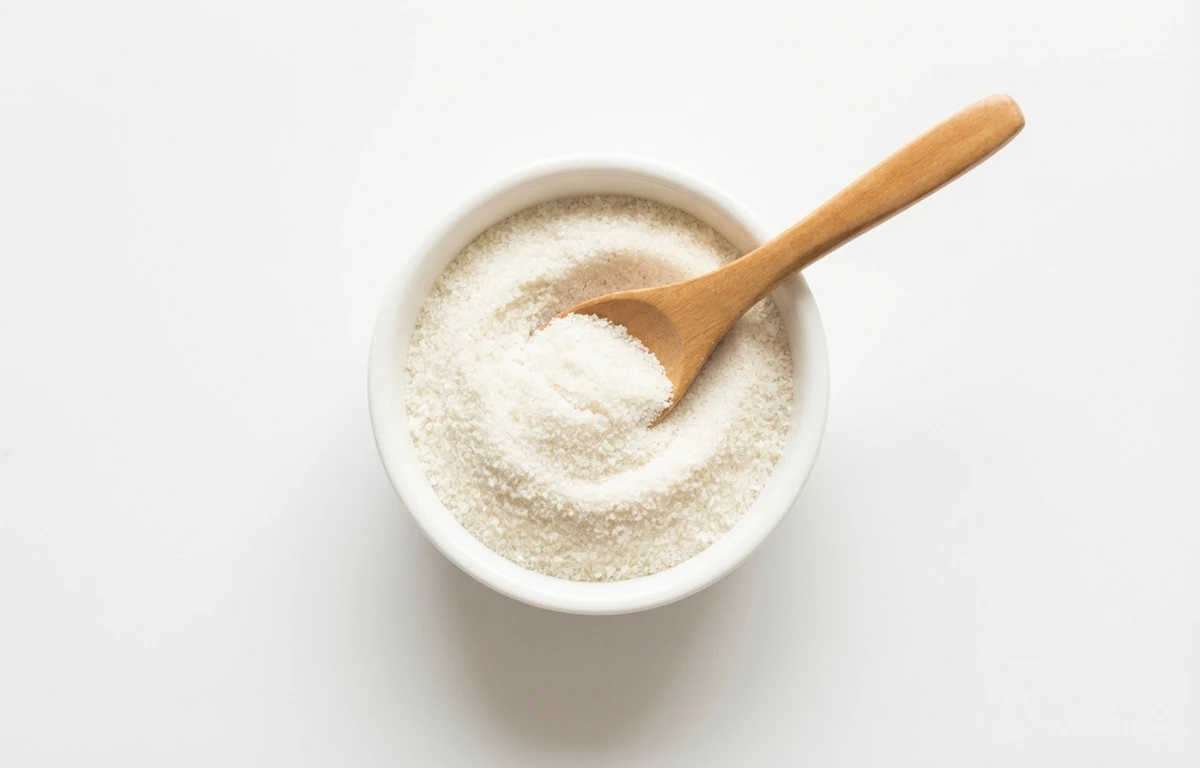
stevia.
VegetarianVeganGluten-freeDairy-freeNut-freePeanut-freeSoy-freeEgg-freeShellfish-freeHoney-freeAlcohol-free
ALSO KNOWN AS
stevia sweetener
SERVING
CALORIES
0
PROTEIN
0g
CARBS
100g
FAT
0g
FIBER
0g
This ingredient is flagged as naturally gluten-free. Per 100 g, it provides 0 µg of vitamin K.
NUTRITION PROFILE · per 100 g
Everything in this ingredient.
MACRONUTRIENTS
Calories0kcal—
Protein0g0%
Carbohydrates100g36%
Fiber0g0%
Sugar0g0%
Total fat0g0%
Saturated fat0g0%
Trans fat0g—
Cholesterol0mg0%
Water0g—
MINERALS
Sodium0mg0%
Potassium0mg0%
Calcium0mg0%
Iron0mg0%
Magnesium0mg0%
Phosphorus0mg0%
Zinc0mg0%
Copper0mg0%
Manganese0mg0%
Selenium0µg0%
VITAMINS
Vitamin A0µg0%
Vitamin C0mg0%
Vitamin D0µg0%
Vitamin E0mg0%
Vitamin K0µg0%
Thiamin (B1)0mg0%
Riboflavin (B2)0mg0%
Niacin (B3)0mg0%
Pantothenic acid (B5)0mg0%
Vitamin B60mg0%
Folate (B9)0µg0%
Vitamin B120µg0%
%DV based on a 2,000 cal diet. Source: USDA FoodData Central. A dash in the %DV column means there’s no established Daily Value for that nutrient.
MEASUREMENT CONVERSIONS
How much is what.
1 cup64g
1 tablespoon4g
1 teaspoon1.3g
1 ml0.3g
1 liter266.7g
HEALTH BENEFITS
Why eat it.
- ✓Non-cariogenic, meaning it does not contribute to tooth decay.
- ✓Some studies suggest certain steviol glycosides may help lower high blood pressure.
COOKING TIPS
In the kitchen.
- 1Stevia is 200-350 times sweeter than sugar; use a very small amount and adjust to taste.
- 2It does not caramelize or brown like sugar, so it won't provide the same texture or color in baked goods.
- 3To compensate for the lost bulk of sugar in baking, add ingredients like applesauce, yogurt, or pumpkin puree for moisture and texture.
- 4Some stevia extracts have a bitter or licorice-like aftertaste, which can be minimized by combining it with other sweeteners or acidic ingredients.
STORAGE
Keep it fresh.
- Store in a cool, dry place like a pantry or cupboard, away from direct sunlight and moisture.
- Keep the container tightly sealed to prevent the powder or liquid from clumping or degrading.
FAQ
Frequently asked questions.
Is stevia keto-friendly?
Yes, stevia is highly keto-friendly as it contains zero net carbs and zero calories. It allows those on a ketogenic diet to enjoy sweetness without being kicked out of ketosis, though users should ensure their specific brand doesn't include carb-heavy fillers.
Is stevia vegan and gluten-free?
Yes, stevia is naturally vegan and gluten-free. It is derived from the leaves of the Stevia rebaudiana plant and does not contain any animal products or wheat-based ingredients, making it suitable for most restrictive diets.
What does stevia taste like?
Stevia is significantly sweeter than sugar but has a different flavor profile, often described as having a slight licorice-like or bitter aftertaste. The intensity and aftertaste can vary depending on the brand and the concentration of Rebaudioside A used in the product.
Can I substitute sugar with stevia in baking?
Yes, but you cannot use a 1:1 ratio because stevia is much sweeter than sugar. Since it lacks the bulk and caramelizing properties of sugar, you may need to use a 'baking blend' or add bulking agents like applesauce or egg whites to maintain the texture of your baked goods.
Does stevia expire?
Pure stevia extract has a very long shelf life and can remain potent for several years if kept dry. However, commercial stevia blends containing other ingredients or anti-caking agents usually have a best-by date of about 2 to 3 years.
RECIPES
Cook with stevia.
5 recipes · sorted by what’s quick