Loading...
Per 100g
Nutrition data source: USDA FoodData Central
Common measurement equivalents in grams
Yes, stone oysters are highly nutritious and low in calories, providing only 81 calories per 100g. They are an exceptional source of zinc for immune health, Vitamin B12 for nerve function, and omega-3 fatty acids for heart health.
Stone oysters contain approximately 9.5g of protein per 100g serving. This makes them a lean, high-quality protein source that supports muscle growth and repair while remaining low in saturated fat.
Yes, stone oysters are keto-friendly as they contain only 4.9g of carbohydrates per 100g. While they have slightly more carbs than most finfish, they can easily be incorporated into a low-carb or ketogenic diet.
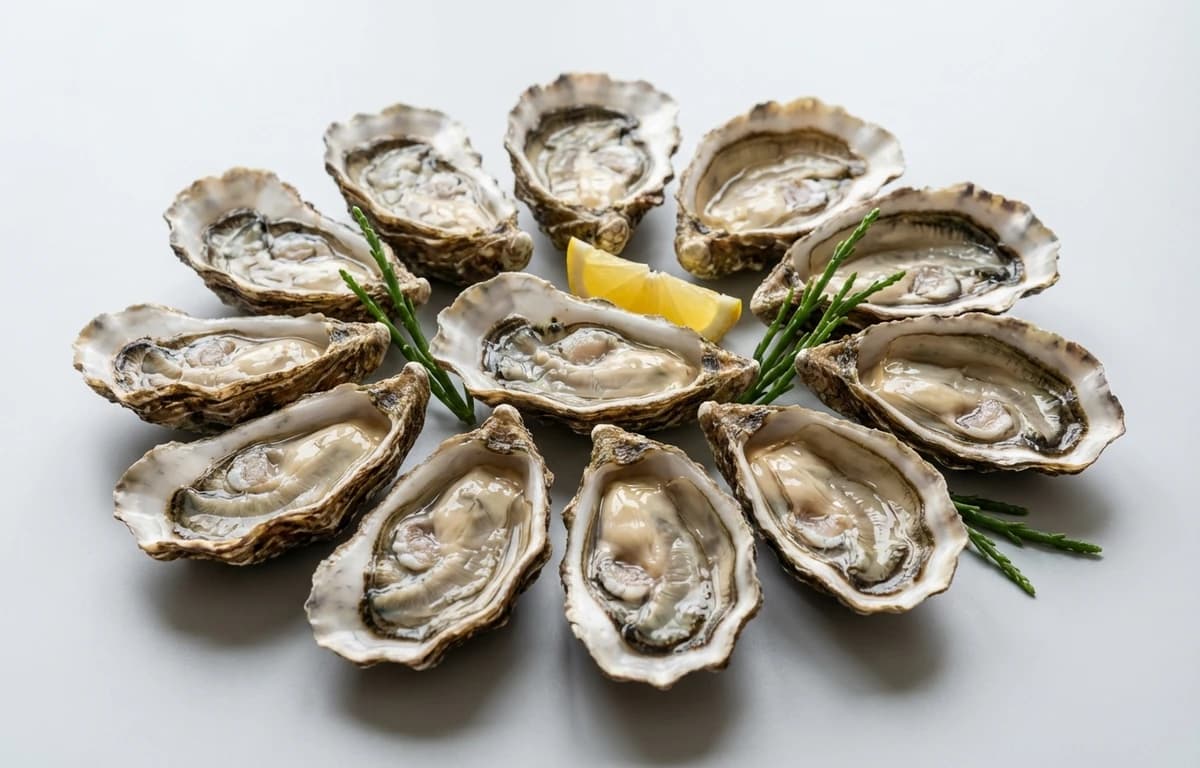
Stone oysters are known for their firm, meaty texture and a flavor profile that is typically briny and sweet. Depending on where they are harvested, they may also have subtle mineral or metallic undertones.
Store live stone oysters in the refrigerator at 35-40°F (1-4°C) in an open container covered with a damp cloth to keep them moist. Do not store them in an airtight bag or submerged in fresh water, as this will kill them.
A fresh, live oyster should have a tightly closed shell. If the shell is slightly open, tap it; if it doesn't snap shut immediately, the oyster is dead and should be discarded. It should also smell like the fresh ocean, not 'fishy' or sour.
Yes, stone oysters are frequently enjoyed raw on the half-shell. However, to avoid the risk of foodborne illness, ensure they are sourced from clean waters and kept strictly chilled; those with compromised immune systems should only eat them fully cooked.
Stone Oysters is a versatile ingredient found in cuisines around the world. With 81 calories per 100g and 9.5 grams of protein, it's a nutritious addition to many dishes.
Explore more ingredients in the seafood category with complete nutrition information.
View all seafood →Discover 1 recipes featuring stone oysters with step-by-step instructions.
Browse recipes →Naturally, stone oysters are 100% gluten-free. However, be mindful of how they are prepared, as breaded, fried, or sauce-covered oysters often contain wheat-based ingredients.
Beyond eating them raw, stone oysters are excellent when grilled, steamed, or baked until their shells just begin to pop open. They can also be lightly poached in stews or breaded and flash-fried for a crispy texture.
Yes, stone oysters are a good source of heme iron, which is the form of iron most easily absorbed by the body. Regular consumption can help maintain healthy iron levels and prevent iron-deficiency anemia.