
Loading...
Per 100g
Nutrition data source: USDA FoodData Central
Common measurement equivalents in grams
Fresh straw mushrooms are extremely perishable and typically last only 1 to 2 days in the refrigerator.
Yes, but they should be blanched or sautéed first; freezing them raw will ruin their delicate texture.
Look for mushrooms that are firm, unblemished, and have closed caps (the 'egg' stage) for the best flavor.
Button mushrooms, cremini, or canned straw mushrooms are the best alternatives in most recipes.
They are traditionally grown on beds of rice straw, which is common in East and Southeast Asia.
Yes, they are low in calories, fat-free, and provide essential minerals like potassium and copper.
Wipe them with a damp cloth or give them a very quick rinse; do not soak them as they absorb water easily.
They are staples in Thai Tom Yum soup, Chinese stir-fries, and various Vietnamese clay pot dishes.
While fresh have a better texture, canned straw mushrooms are much more widely available and hold up well in soups.
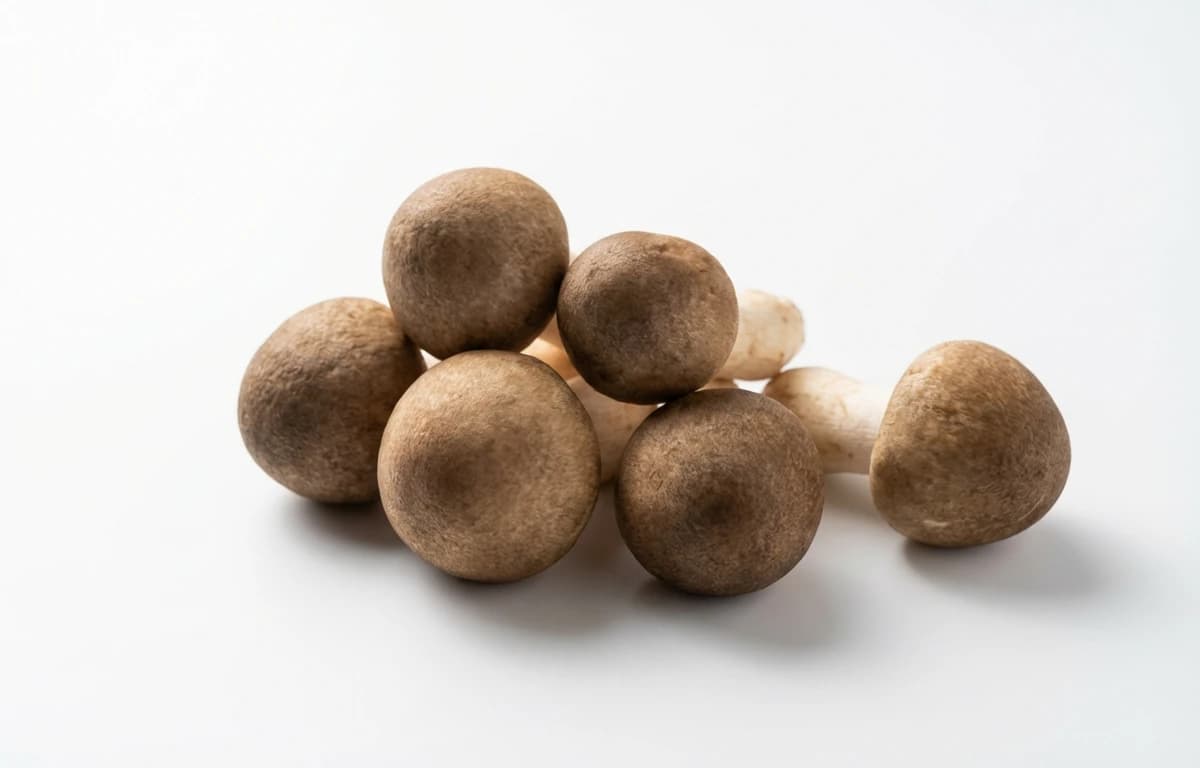
Straw Mushrooms is a versatile ingredient found in cuisines around the world. With 32 calories per 100g and 3.8 grams of protein, it's a nutritious addition to many dishes.
Explore more ingredients in the fungi category with complete nutrition information.
View all fungi →Discover 1 recipes featuring straw mushrooms with step-by-step instructions.
Browse recipes →