
Other
striped tuna.
VegetarianVeganGluten-freeDairy-freeNut-freePeanut-freeSoy-freeEgg-freeShellfish-freeHoney-freeAlcohol-free
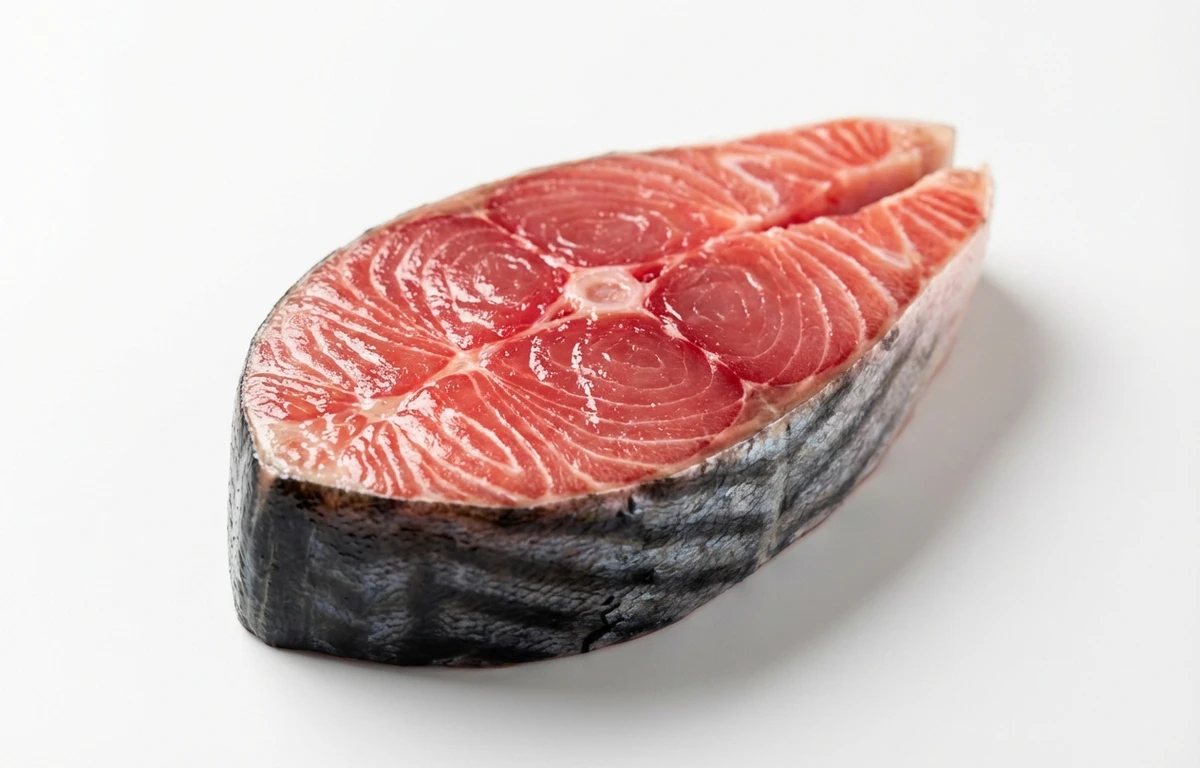
SERVING
CALORIES
96
PROTEIN
21.3g
CARBS
0g
FAT
1.1g
FIBER
0g
This ingredient is flagged as naturally gluten-free. Per 100 g, it provides 1.2 µg of vitamin K.
NUTRITION PROFILE · per 100 g
Everything in this ingredient.
MACRONUTRIENTS
Calories96.3kcal—
Protein21.3g43%
Carbohydrates0g0%
Fiber0g0%
Sugar0g0%
Total fat1.1g1%
Saturated fat0.42g2%
Trans fat0g—
Cholesterol64.1mg21%
Water77.8g—
MINERALS
Sodium22.6mg1%
Potassium273mg6%
Calcium6.5mg0%
Iron1.4mg8%
Magnesium26mg6%
Phosphorus209mg17%
Zinc0.46mg4%
Copper0.11mg12%
Manganese0.02mg1%
Selenium23.9µg43%
VITAMINS
Vitamin A21µg2%
Vitamin C0mg0%
Vitamin D0.70µg3%
Vitamin E0.14mg1%
Vitamin K1.2µg1%
Thiamin (B1)0.07mg6%
Riboflavin (B2)0.15mg12%
Niacin (B3)5.0mg32%
Pantothenic acid (B5)1.3mg25%
Vitamin B6122mg7176%
Biotin (B7)789µg2630%
Folate (B9)0µg0%
%DV based on a 2,000 cal diet. Source: USDA FoodData Central. A dash in the %DV column means there’s no established Daily Value for that nutrient.
MEASUREMENT CONVERSIONS
How much is what.
1 cup150g
1 oz28.4g
1 lb453.6g
1 piece120g
HEALTH BENEFITS
Why eat it.
- ✓Excellent source of high-quality, complete protein essential for muscle building and repair.
- ✓Rich in omega-3 fatty acids (EPA and DHA), which support cardiovascular health and brain function.
- ✓Generally lower in mercury compared to larger tuna species like albacore, making it a safer option for regular consumption.
COOKING TIPS
In the kitchen.
- 1Best cooked quickly using high-heat methods like searing, grilling, or broiling to keep it moist.
- 2Sear steaks for 1-2 minutes per side for a rare or medium-rare center, as overcooking will result in a dry texture.
- 3Its robust flavor pairs well with bold marinades containing soy, ginger, garlic, or citrus.
- 4This is the most common species used for canned 'light' tuna and for making katsuobushi (dried bonito flakes) in Japanese cuisine.
STORAGE
Keep it fresh.
- Store fresh striped tuna in the coldest part of the refrigerator (below 40°F or 4°C) and consume within 1-2 days.
- For longer storage, wrap tightly and freeze at 0°F (-18°C) for up to 3 months. Thaw in the refrigerator before cooking.
FAQ
Frequently asked questions.
Is striped tuna healthy?
Yes, striped tuna is highly nutritious. It is an excellent source of high-quality, complete protein and heart-healthy omega-3 fatty acids, while remaining very low in calories and saturated fat.
Is striped tuna high in mercury?
Striped tuna, often sold as skipjack, generally contains lower mercury levels compared to larger tuna species like albacore or bigeye. This makes it a safer option for more regular consumption, though moderation is still recommended for pregnant women.
Is striped tuna keto-friendly?
Yes, striped tuna is excellent for keto and low-carb diets because it contains 0g of carbohydrates. It provides high-quality protein and essential fats without any sugar or starch.
What does striped tuna taste like?
Striped tuna has a more pronounced, savory, and 'fishy' flavor compared to milder white tunas. Its meat is tender and tends to break into small flakes, which is why it is the most common variety used for 'chunk light' canned tuna.
How do you cook striped tuna?
Striped tuna can be grilled, seared, or baked. Because it is very lean with only 1.12g of fat per 100g, it can dry out easily; it is best cooked quickly over high heat or served medium-rare to maintain moisture.
Can I eat striped tuna raw?
Striped tuna can be eaten raw in dishes like sashimi or poke, provided it is labeled as 'sushi-grade.' This ensures the fish was handled and frozen properly to eliminate potential parasites.
How long does fresh striped tuna last in the fridge?
Fresh striped tuna should be stored in the coldest part of your refrigerator and consumed within 1 to 2 days. If you cannot eat it within that timeframe, it should be tightly wrapped and frozen.
How can you tell if striped tuna has gone bad?
Spoiled striped tuna will have a strong, unpleasant ammonia-like smell and a slimy texture. The flesh may also lose its vibrant color and turn dull or brownish; if any of these signs are present, the fish should be discarded.



















