
Loading...
Also known as: Vadi, Badi, Mangodi, Wadi, Moong Dal Vadi
Per 100g
Nutrition data source: USDA FoodData Central
Common measurement equivalents in grams
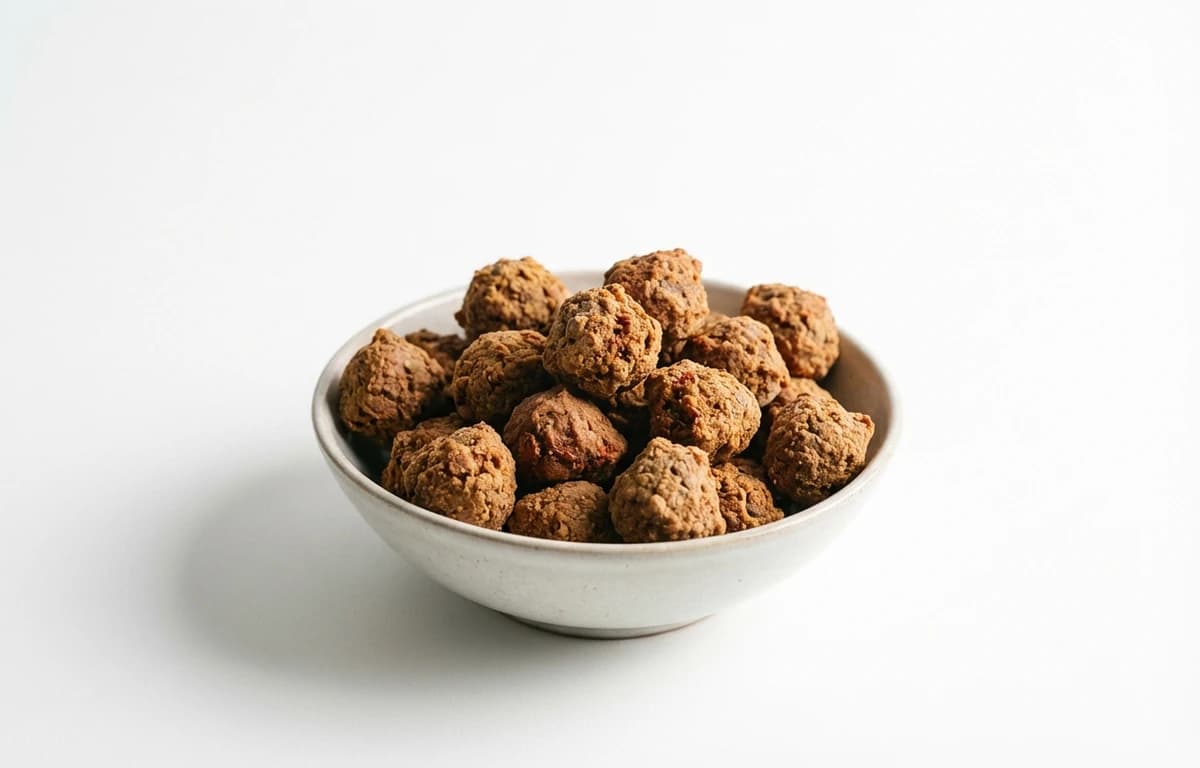
They are small, dried nuggets made from ground lentil paste (usually moong or urad dal) that has been seasoned and sun-dried.
When stored in an airtight container in a dry place, they can last for 6 to 12 months.
No, soaking is not required. They are typically fried first and then simmered in a gravy until tender.
Yes, traditional lentil dumplings are made solely from lentils and spices, making them naturally gluten-free.
Freezing is not necessary as they are a shelf-stable dried product, but they can be frozen in an airtight bag if the environment is very humid.
Soya chunks or firm tofu can be used as a protein-rich substitute, though the flavor and texture will differ.
Frying creates a protective outer layer that helps the dumpling hold its shape and adds a nutty flavor to the dish.
Look for a musty smell, discoloration, or the presence of small holes/powder which indicates insect infestation.
Sundried Lentil Dumplings is a versatile ingredient found in cuisines around the world. With 345 calories per 100g and 24.5 grams of protein, it's a nutritious addition to many dishes.
Explore more ingredients in the legume product category with complete nutrition information.
View all legume product →Discover 1 recipes featuring sundried lentil dumplings with step-by-step instructions.
Browse recipes →