
Loading...
Also known as: sashimi-grade salmon, raw salmon fillet, sushi salmon, sake (sushi), raw atlantic salmon fillet
Per 100g
Nutrition data source: USDA FoodData Central
Common measurement equivalents in grams
It is a marketing term indicating the fish was handled with high hygiene standards and typically flash-frozen to a specific temperature (-35°F or below) to kill parasites.
For raw consumption, it should be eaten the same day it is purchased. If kept at 32-35°F, it may last up to 24 hours.
While you can freeze it, home freezers do not reach the temperatures required to flash-freeze fish safely for parasite destruction or to maintain the same texture.
Look for firm flesh that springs back, a vibrant color without dark spots, and a clean, oceanic smell rather than a 'fishy' odor.
Sushi-grade tuna (Maguro), Arctic Char, or high-quality Steelhead Trout are the best alternatives for raw applications.
No, unless it is specifically labeled as 'sushi-grade' or 'suitable for raw consumption,' as regular fillets may contain live parasites.
Remove any skin and pin bones, then cut the fillet at a 45-degree angle into thin rectangular slices approximately 2 inches long.
Nutritionally they are similar, but sushi-grade is often handled more carefully to preserve the integrity of the fats and proteins.
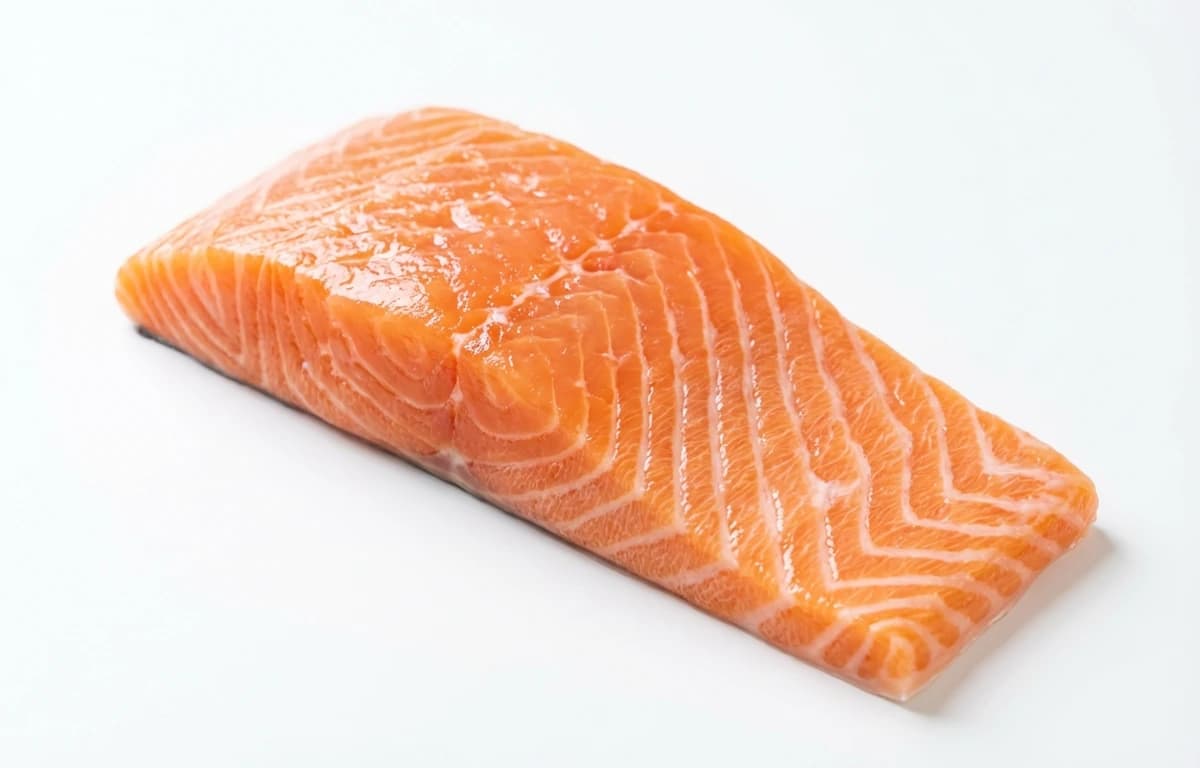
Sushi-Grade Salmon Fillet is a versatile ingredient found in cuisines around the world. With 208 calories per 100g and 20.4 grams of protein, it's a nutritious addition to many dishes.
Explore more ingredients in the seafood category with complete nutrition information.
View all seafood →Discover 2 recipes featuring sushi-grade salmon fillet with step-by-step instructions.
Browse recipes →Explore more ingredients similar to Sushi-Grade Salmon Fillet.
The most-searched ingredients on CraftMyMeals.
Common uses include Sashimi, Nigiri, Poke bowls, Chirashi, and Ceviche.