
Loading...
Per 100g
Nutrition data source: USDA FoodData Central
Common measurement equivalents in grams
It is a marketing term indicating the fish has been flash-frozen to specific temperatures (usually -31°F or below) to kill parasites, making it safer for raw consumption.
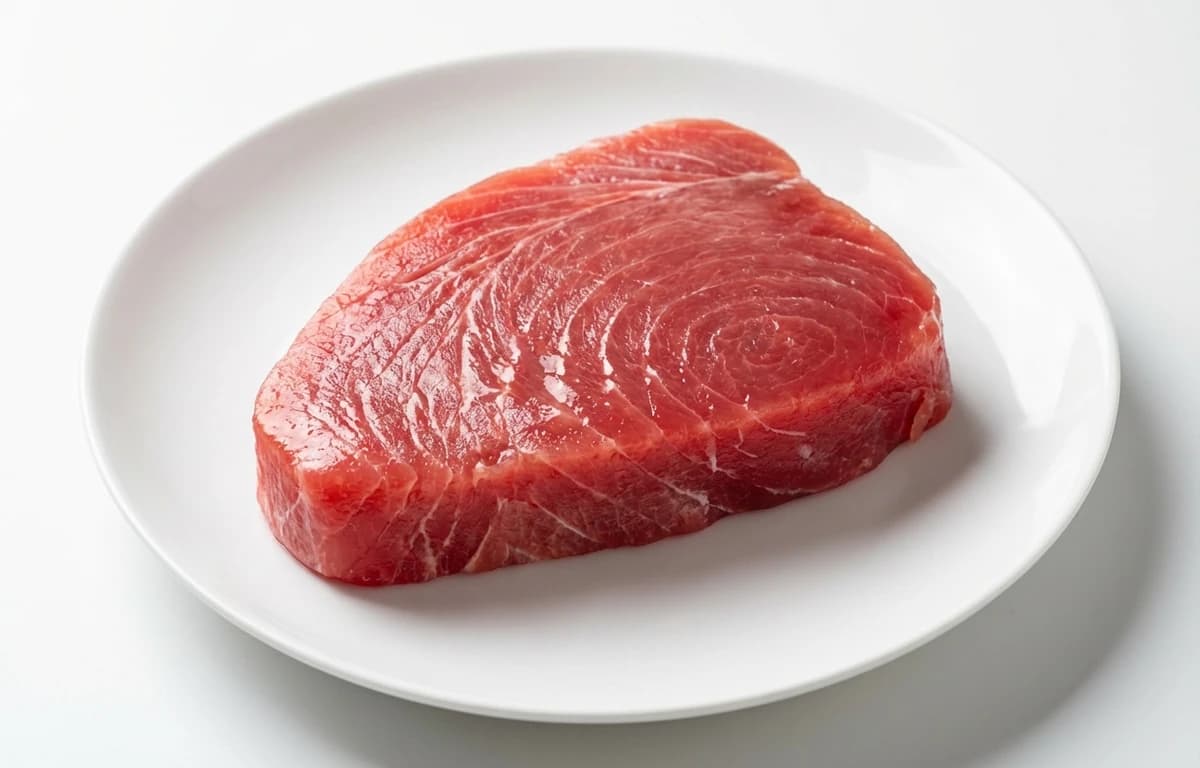
Look for a deep, vibrant red color (not brown), a firm texture that bounces back when touched, and a clean, oceanic scent rather than a 'fishy' smell.
It is best consumed the day of purchase, but can be stored for up to 24-48 hours if kept at near-freezing temperatures.
While you can, home freezers do not reach the ultra-low temperatures required to maintain the texture and safety standards of commercial flash-freezing.
Sushi-grade Bigeye tuna or Albacore are the closest substitutes. For a non-tuna option, sushi-grade Salmon is the most common alternative.
Due to mercury levels in large predatory fish like tuna, it is generally recommended to limit consumption to 1-2 times per week.
Remove any dark 'bloodline' portions, pat the fish dry with a paper towel, and slice into 1/4 inch thick rectangular pieces against the grain.
Plain raw tuna is naturally gluten-free; however, be cautious of cross-contamination or added sauces like soy sauce during preparation.
sushi-grade tuna is a versatile ingredient found in cuisines around the world. With 108 calories per 100g and 24.4 grams of protein, it's a nutritious addition to many dishes.
Explore more ingredients in the other category with complete nutrition information.
View all other →Discover 1 recipes featuring sushi-grade tuna with step-by-step instructions.
Browse recipes →