
Other1 recipes
sweet red wine.
VegetarianVeganGluten-freeDairy-freeNut-freePeanut-freeSoy-freeEgg-freeShellfish-freeHoney-freeAlcohol-freeHalalFermented
ALSO KNOWN AS
dessert winePort wine
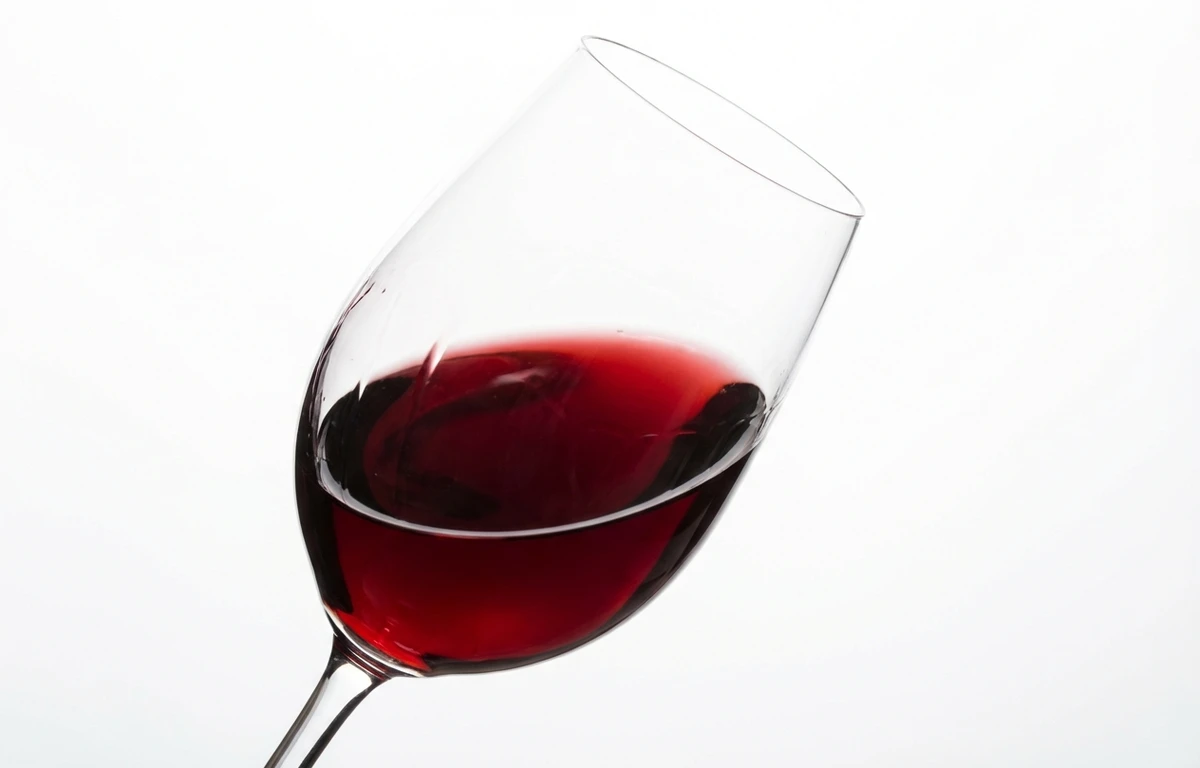
SERVING
CALORIES
160
PROTEIN
0.20g
CARBS
13.7g
FAT
0g
FIBER
0g
This ingredient is flagged as naturally gluten-free. Per 100 g, it provides 0.40 µg of vitamin K.
NUTRITION PROFILE · per 100 g
Everything in this ingredient.
MACRONUTRIENTS
Calories160kcal—
Protein0.20g0%
Carbohydrates13.7g5%
Fiber0g0%
Sugar13.7g27%
Total fat0g0%
Saturated fat0g0%
Trans fat0g—
Cholesterol0mg0%
Water79.5g—
MINERALS
Sodium10mg0%
Potassium100mg2%
Calcium10mg1%
Iron0.30mg2%
Magnesium12mg3%
Phosphorus28mg2%
Zinc0.07mg1%
Copper0.02mg2%
Manganese0.07mg3%
Selenium0.10µg0%
VITAMINS
Vitamin A0µg0%
Vitamin C0mg0%
Vitamin D0µg0%
Vitamin E0.04mg0%
Vitamin K0.40µg0%
Thiamin (B1)0.01mg1%
Riboflavin (B2)0.02mg2%
Niacin (B3)0.10mg1%
Pantothenic acid (B5)0.05mg1%
Vitamin B60.07mg4%
Folate (B9)1.0µg0%
Vitamin B120µg0%
%DV based on a 2,000 cal diet. Source: USDA FoodData Central. A dash in the %DV column means there’s no established Daily Value for that nutrient.
MEASUREMENT CONVERSIONS
How much is what.
1 cup235.2g
1 tablespoon14.7g
1 teaspoon4.9g
1 ml1g
1 liter980g
HEALTH BENEFITS
Why eat it.
- ✓In moderation, may support heart health by potentially improving cholesterol levels and blood vessel function.
- ✓Polyphenols in red wine can act as prebiotics, promoting a healthy gut microbiome.
- ✓Some studies suggest moderate consumption may be linked to improved cognitive function in older adults.
- ✓Note: Health benefits are associated with moderate consumption; excessive intake can lead to negative health consequences.
COOKING TIPS
In the kitchen.
- 1Use as a base for rich reduction sauces for roasted meats like duck, pork, or beef. Simmer slowly to concentrate its sweet and fruity flavors.
- 2Excellent for poaching fruits such as pears, figs, or plums, infusing them with a deep color and complex sweetness.
- 3Add a splash to chocolate desserts like ganache, brownies, or flourless chocolate cake to enhance richness and add a berry-like depth.
- 4Incorporate into marinades for red meat to help tenderize it and add a sweet, tangy flavor profile.
STORAGE
Keep it fresh.
- Store unopened bottles horizontally in a cool, dark place with a consistent temperature, ideally around 55°F (13°C).
- After opening, recork the bottle tightly (or use a wine stopper) and store it upright in the refrigerator for 3-5 days.
FAQ
Frequently asked questions.
How many calories and carbs are in sweet red wine?
A 100g serving of sweet red wine contains approximately 160 calories and 13.7g of carbohydrates. These values are higher than dry red wines because of the residual sugar left over from the fermentation process.
Is sweet red wine keto-friendly?
No, sweet red wine is generally not keto-friendly. With nearly 14g of carbs per 100g, a single glass can significantly impact your daily carb limit. Those on a ketogenic diet should opt for dry red wines, which contain much less residual sugar.
Is sweet red wine vegan?
Not necessarily. While the primary ingredient is grapes, some winemakers use animal-derived fining agents like gelatin, isinglass (fish bladder), or egg whites to clarify the wine. To ensure a wine is vegan, look for a 'certified vegan' label on the bottle.
Can I cook with sweet red wine?
Yes, sweet red wine is excellent for poaching fruits, creating dessert reductions, or balancing very salty sauces. However, avoid using it in savory recipes that call for dry red wine, as the high sugar content can make the dish unintentionally sweet.
What does sweet red wine taste like?
Sweet red wine typically has a lush, fruity profile with notes of ripe berries, jam, or chocolate. It lacks the dry, mouth-puckering sensation (tannins) found in dry reds, making it smoother and more approachable for those who prefer sweeter beverages.
How long does sweet red wine last after opening?
Once opened, a bottle of sweet red wine will typically stay fresh for 3 to 5 days if it is recorked and stored in the refrigerator. The sugar content helps preserve it slightly longer than some dry wines, but it will eventually oxidize and lose its flavor.
How should I store sweet red wine?
Unopened bottles should be stored in a cool, dark place with a consistent temperature. Once opened, always store the bottle in the refrigerator to slow down oxidation, even if you prefer to drink it at room temperature.
What is the difference between sweet red wine and dry red wine?
The primary difference is the residual sugar content; sweet red wine is made by stopping fermentation before the yeast consumes all the grape sugar. This results in a higher carbohydrate count, more calories, and a sweeter flavor profile compared to dry red wine.
RECIPES
Cook with sweet red wine.
1 recipes · sorted by what’s quick



















