Loading...
Per 100g
Nutrition data source: USDA FoodData Central
Common measurement equivalents in grams
Sweet tamarind chutney is rich in antioxidants like polyphenols and flavonoids, which help fight inflammation. It also provides essential minerals such as potassium and iron. However, because it is high in sugar and carbohydrates, it should be consumed in moderation as a condiment.
A 100g serving contains approximately 239 calories and 62.5g of carbohydrates. Most of these carbs come from the natural sugars in the tamarind fruit and added sweeteners like jaggery or dates.
Yes, traditional sweet tamarind chutney is both vegan and gluten-free. It is made from plant-based ingredients like tamarind pulp, spices, and jaggery, making it suitable for those with these dietary restrictions.
No, it is not keto-friendly due to its high carbohydrate content of 62.5g per 100g. The primary ingredients are tamarind and sugar or jaggery, both of which are high in carbs and can easily exceed daily keto limits.
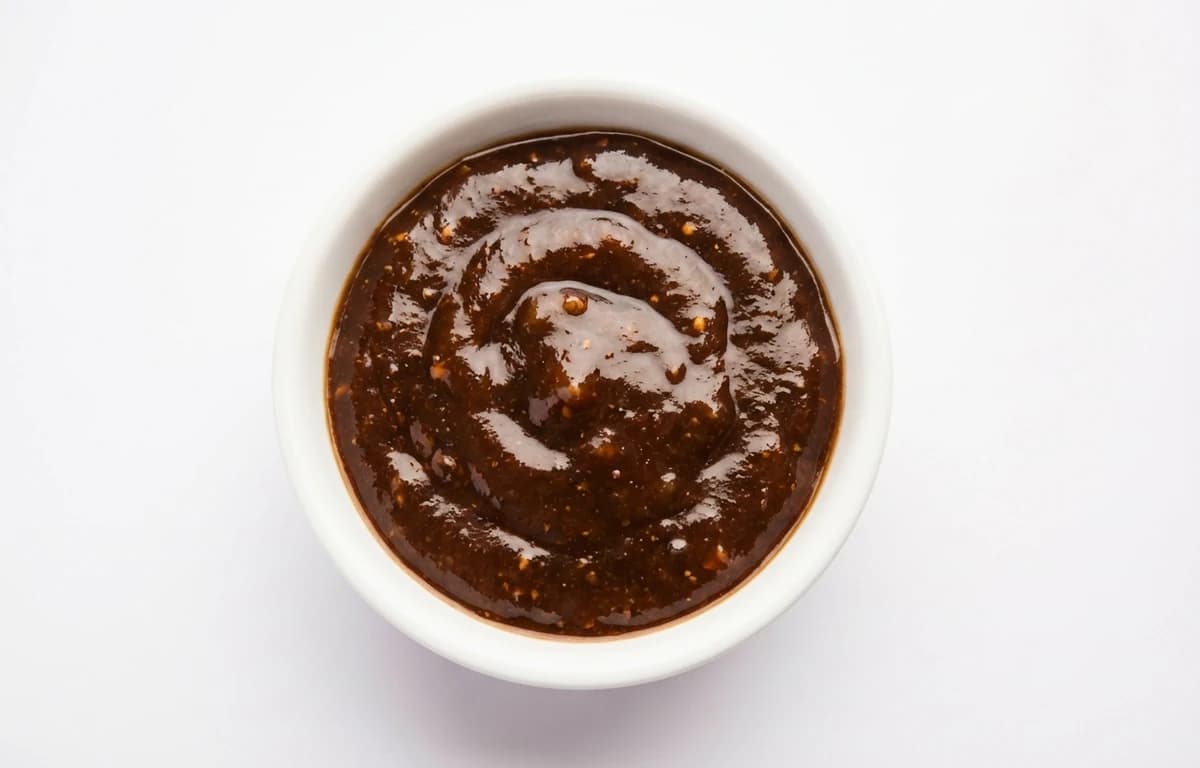
It has a unique 'sweet and sour' profile, combining the intense tanginess of tamarind with the deep sweetness of jaggery or sugar. It is often seasoned with roasted cumin, ginger powder, and black salt to add earthy and savory undertones.
It is a staple condiment in Indian cuisine, used as a dipping sauce for samosas and pakoras or drizzled over 'chaat' dishes like dahi puri. It also works well as a tangy glaze for grilled proteins or a unique addition to cheese boards.
Store the chutney in an airtight glass jar in the refrigerator. Due to the high acidity of the tamarind and the preservative nature of the sugar, it can stay fresh for 2 to 3 months when kept chilled.
sweet tamarind chutney is a versatile ingredient found in cuisines around the world. With 239 calories per 100g and 2.8 grams of protein, it's a nutritious addition to many dishes.
Explore more ingredients in the condiment category with complete nutrition information.
View all condiment →Discover 0 recipes featuring sweet tamarind chutney with step-by-step instructions.
Browse recipes →Yes, you can freeze it in small portions or ice cube trays for up to 6 months. This is a great way to preserve large batches, as the flavor and texture remain stable after thawing.
Yes, it is an excellent source of dietary fiber which promotes digestive health. Additionally, the spices often used in the chutney, such as cumin and ginger, are traditionally known to aid in digestion and reduce bloating.
Signs of spoilage include the presence of mold on the surface, a fermented or fizzy smell, or an unusually thin, watery consistency. Always use a clean, dry spoon to serve the chutney to prevent cross-contamination and extend its shelf life.