Other1 recipes
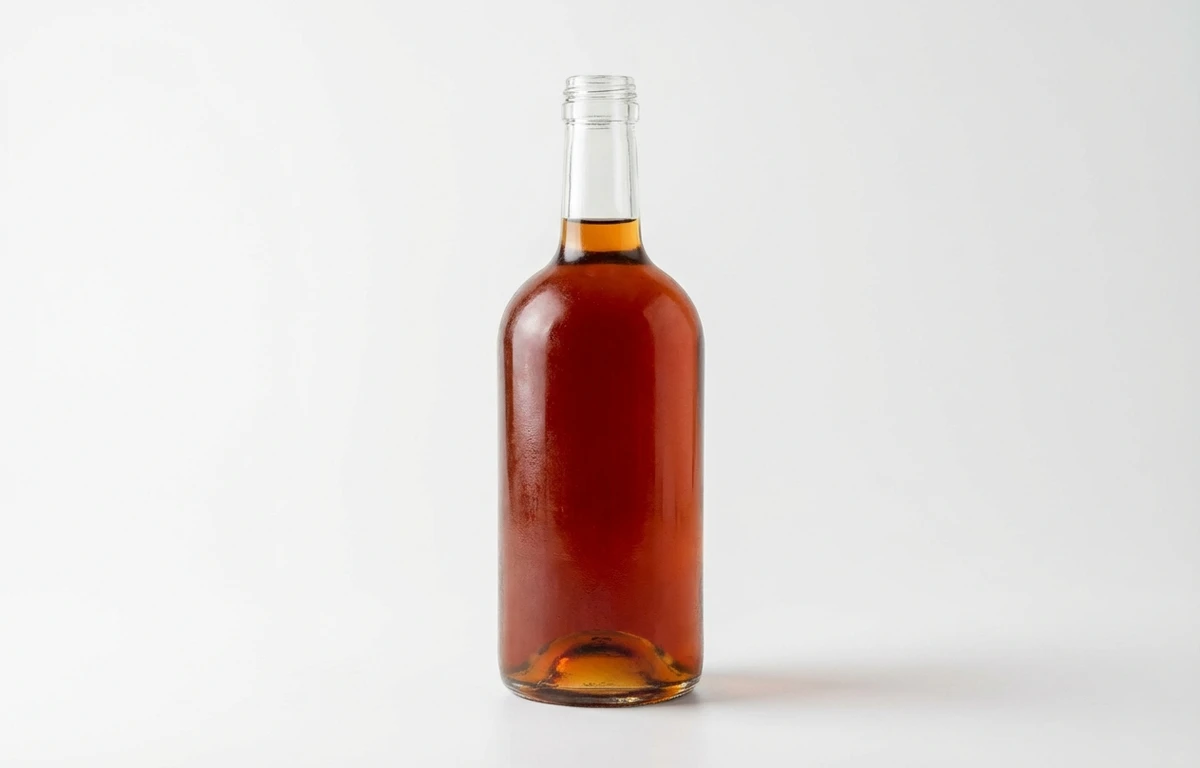
sweet vermouth.
VegetarianVeganGluten-freeDairy-freeNut-freePeanut-freeSoy-freeEgg-freeShellfish-freeHoney-freeAlcohol-freeHalalFermented
ALSO KNOWN AS
red vermouthvermouth rossoitalian vermouth
SERVING
CALORIES
160
PROTEIN
0.10g
CARBS
15g
FAT
0g
FIBER
0g
This ingredient is flagged as naturally gluten-free. Per 100 g, it provides 0.40 µg of vitamin K.
NUTRITION PROFILE · per 100 g
Everything in this ingredient.
MACRONUTRIENTS
Calories160kcal—
Protein0.10g0%
Carbohydrates15g5%
Fiber0g0%
Sugar15g30%
Total fat0g0%
Saturated fat0g0%
Trans fat0g—
Cholesterol0mg0%
Water78g—
MINERALS
Sodium10mg0%
Potassium80mg2%
Calcium10mg1%
Iron0.50mg3%
Magnesium5.0mg1%
Phosphorus15mg1%
Zinc0.10mg1%
Copper0.02mg2%
Manganese0.10mg4%
Selenium0.20µg0%
VITAMINS
Vitamin A0µg0%
Vitamin C0mg0%
Vitamin D0µg0%
Vitamin E0mg0%
Vitamin K0.40µg0%
Thiamin (B1)0.01mg1%
Riboflavin (B2)0.02mg2%
Niacin (B3)0.10mg1%
Pantothenic acid (B5)0.05mg1%
Vitamin B60.02mg1%
Folate (B9)1.0µg0%
Vitamin B120µg0%
%DV based on a 2,000 cal diet. Source: USDA FoodData Central. A dash in the %DV column means there’s no established Daily Value for that nutrient.
MEASUREMENT CONVERSIONS
How much is what.
1 cup250g
1 tablespoon15.8g
1 teaspoon5.3g
1 oz31.1g
1 lb453.6g
1 ml1.1g
1 liter1050g
HEALTH BENEFITS
Why eat it.
- ✓Herbal botanicals may aid in mild digestion
- ✓Lower alcohol content than hard spirits
- ✓Contains trace minerals like potassium and iron
COOKING TIPS
In the kitchen.
- 1Excellent for deglazing pans after searing meat
- 2Adds a complex herbal sweetness to tomato-based sauces
- 3Can be used as a substitute for red wine in stews for more depth
STORAGE
Keep it fresh.
- Always refrigerate after opening to prevent oxidation
- Keep the bottle tightly sealed to preserve aromatics
- Best consumed within 1 to 2 months of opening
FAQ
Frequently asked questions.
How long does sweet vermouth last after opening?
Unlike hard spirits, sweet vermouth is a fortified wine and will oxidize. It stays fresh for about 4-8 weeks if kept in the refrigerator.
Does sweet vermouth need to be refrigerated?
Yes, because it is wine-based, it will spoil and lose its aromatic profile at room temperature once opened.
What is a good non-alcoholic substitute for sweet vermouth?
A mix of pomegranate juice with a splash of balsamic vinegar or non-alcoholic bitters can mimic the sweetness and acidity.
Is sweet vermouth vegan?
Not necessarily. Many brands use animal-derived fining agents like gelatin, albumin, or isinglass during the filtration process.
What is the difference between sweet and dry vermouth?
Sweet vermouth is usually red, contains more sugar (up to 15%), and has a spiced profile, while dry vermouth is clear, lower in sugar, and more floral.
Can I use sweet vermouth in cooking?
Yes, it is excellent in savory dishes, particularly with pork, chicken, or in rich sauces where a hint of herbal sweetness is desired.
How can I tell if my vermouth has gone bad?
If it smells like vinegar, looks cloudy, or has lost its distinct herbal aroma and tastes flat or sour, it has oxidized and should be discarded.
What are the main botanicals in sweet vermouth?
While recipes are secret, common botanicals include wormwood, cinchona bark, cloves, cinnamon, and citrus peel.
RECIPES
Cook with sweet vermouth.
1 recipes · sorted by what’s quick