
Loading...
Also known as:
Per 100g
Nutrition data source: USDA FoodData Central
Common measurement equivalents in grams
Yes, tamarind block is highly nutritious, offering a rich supply of antioxidants, fiber, and essential minerals like magnesium and potassium. It supports heart health and digestion, though it should be consumed in moderation due to its concentrated natural sugar content.
A 100g serving of tamarind contains approximately 239 calories and 62.5g of carbohydrates. While it is very low in fat (0.6g), the high carb count comes from natural sugars and dietary fiber, making it an energy-dense fruit.
Yes, tamarind block is a 100% plant-based fruit product, making it naturally vegan and gluten-free. It is a safe and common ingredient for those with celiac disease or those following a strict vegan diet.
Tamarind block is generally not keto-friendly because it contains over 60g of carbohydrates per 100g. While small amounts used as a seasoning in a large dish may fit some low-carb limits, the high natural sugar content makes it difficult to include in a strict ketogenic diet.
Break off the desired amount and soak it in hot water for about 15–20 minutes. Once softened, mash the pulp with your fingers or a spoon to release the juice, then strain the mixture through a fine-mesh sieve to remove the seeds and tough fibers.
Tamarind has a distinctively sour and tangy flavor with a deep, fruity sweetness. Its acidity is similar to lime or lemon but with a more complex, molasses-like undertone that adds 'umami' and depth to savory dishes.
Yes, you can substitute tamarind paste for a block, but the block usually provides a fresher, more potent flavor. Generally, one tablespoon of processed tamarind paste is equivalent to one tablespoon of the concentrated liquid extracted from a soaked block.
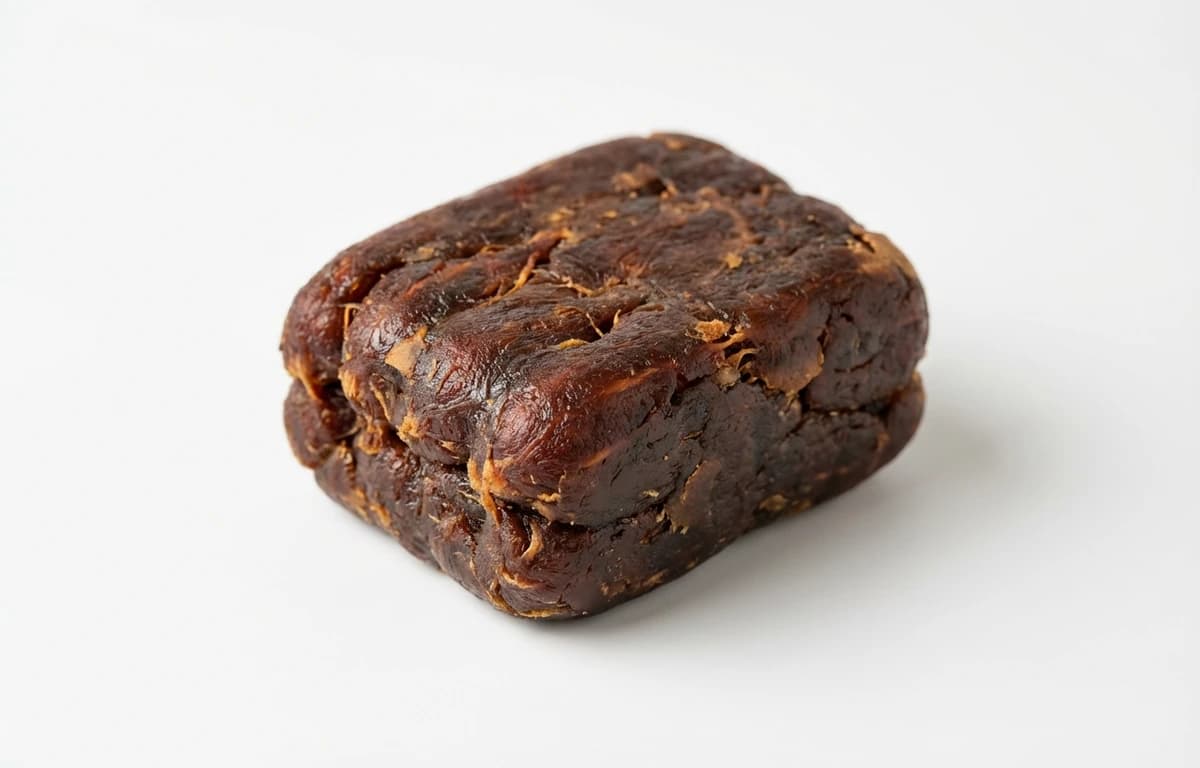
Tamarind Block is a versatile ingredient found in cuisines around the world. With 239 calories per 100g and 2.8 grams of protein, it's a nutritious addition to many dishes.
Explore more ingredients in the fruit category with complete nutrition information.
View all fruit →Discover 2 recipes featuring tamarind block with step-by-step instructions.
Browse recipes →Explore more ingredients similar to Tamarind Block.
The most-searched ingredients on CraftMyMeals.
Store the block in an airtight container or heavy-duty freezer bag in a cool, dark pantry. It can last for several months at room temperature, but refrigerating it will extend its shelf life for up to a year or more.
Most tamarind blocks contain seeds and fibrous pods even if labeled 'seedless.' It is essential to soak the block and strain the resulting pulp through a sieve to ensure no hard seeds or woody fragments end up in your food.
Tamarind is excellent for digestive health due to its high fiber content and acts as a natural laxative. It also contains polyphenols that have anti-inflammatory properties and potassium which helps regulate blood pressure and supports heart health.