Other1 recipes
tapioca pearls.
VegetarianVeganGluten-freeDairy-freeNut-freePeanut-freeSoy-freeEgg-freeShellfish-freeHoney-freeAlcohol-free
ALSO KNOWN AS
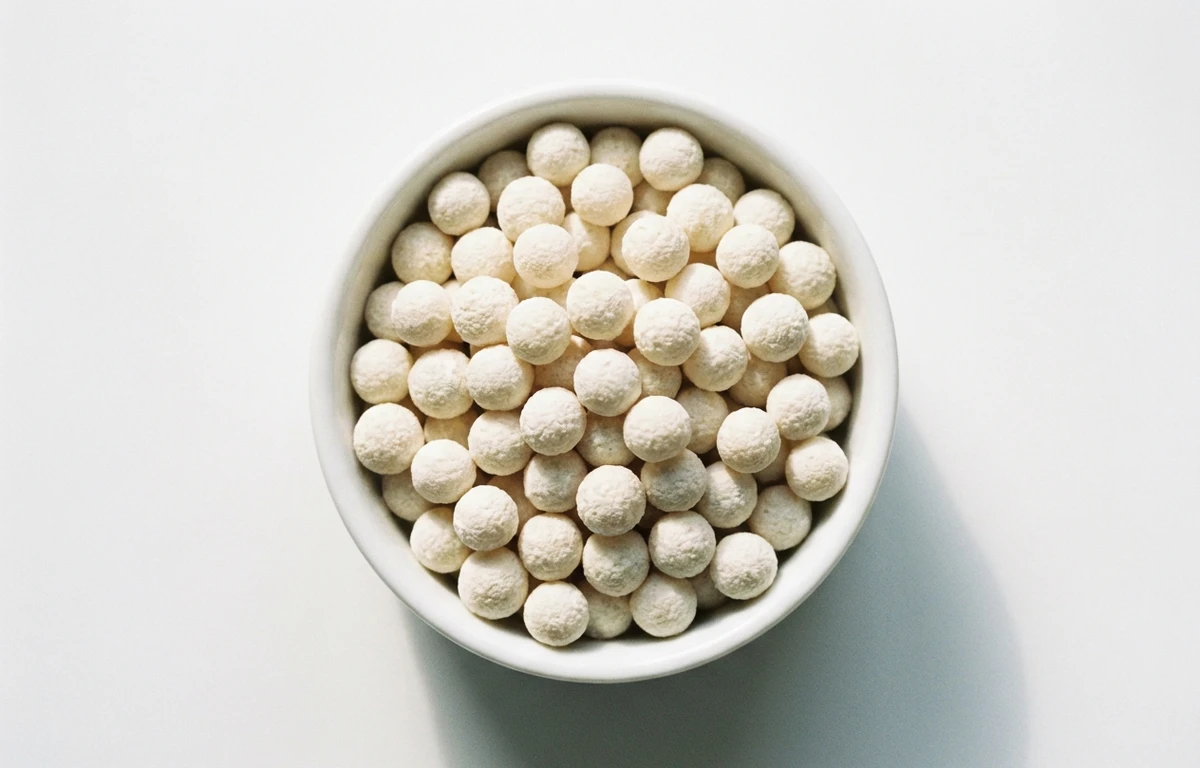
SagoTapioca Pearlssabudanabobatapioca ballsmanioc pearlscassava pearlsjavvarisi
SERVING
CALORIES
358
PROTEIN
0.19g
CARBS
88.7g
FAT
0.02g
FIBER
0.90g
This ingredient is flagged as naturally gluten-free. Per 100 g, it provides 0 µg of vitamin K.
NUTRITION PROFILE · per 100 g
Everything in this ingredient.
MACRONUTRIENTS
Calories358kcal—
Protein0.19g0%
Carbohydrates88.7g32%
Fiber0.90g3%
Sugar3.4g7%
Total fat0.02g0%
Saturated fat0.01g0%
Trans fat0g—
Cholesterol0mg0%
Water11g—
MINERALS
Sodium1.0mg0%
Potassium11mg0%
Calcium20mg2%
Iron1.6mg9%
Magnesium1.0mg0%
Phosphorus7.0mg1%
Zinc0.12mg1%
Copper0.02mg2%
Manganese0.11mg5%
Selenium0.80µg1%
VITAMINS
Vitamin A0µg0%
Vitamin C0mg0%
Vitamin D0µg0%
Vitamin E0mg0%
Vitamin K0µg0%
Thiamin (B1)0mg0%
Riboflavin (B2)0.01mg1%
Niacin (B3)0.01mg0%
Pantothenic acid (B5)0.14mg3%
Vitamin B60.01mg1%
Folate (B9)4.0µg1%
Vitamin B120µg0%
%DV based on a 2,000 cal diet. Source: USDA FoodData Central. A dash in the %DV column means there’s no established Daily Value for that nutrient.
MEASUREMENT CONVERSIONS
How much is what.
1 cup152g
1 tablespoon9.5g
1 teaspoon3.2g
1 oz28.4g
1 lb453.6g
1 ml0.6g
1 liter640g
HEALTH BENEFITS
Why eat it.
- ✓Provides a quick energy boost due to high carbohydrate content
- ✓Naturally gluten-free, making it safe for celiac diets
- ✓Easy to digest and gentle on the stomach
- ✓Low in sodium, supporting heart health
COOKING TIPS
In the kitchen.
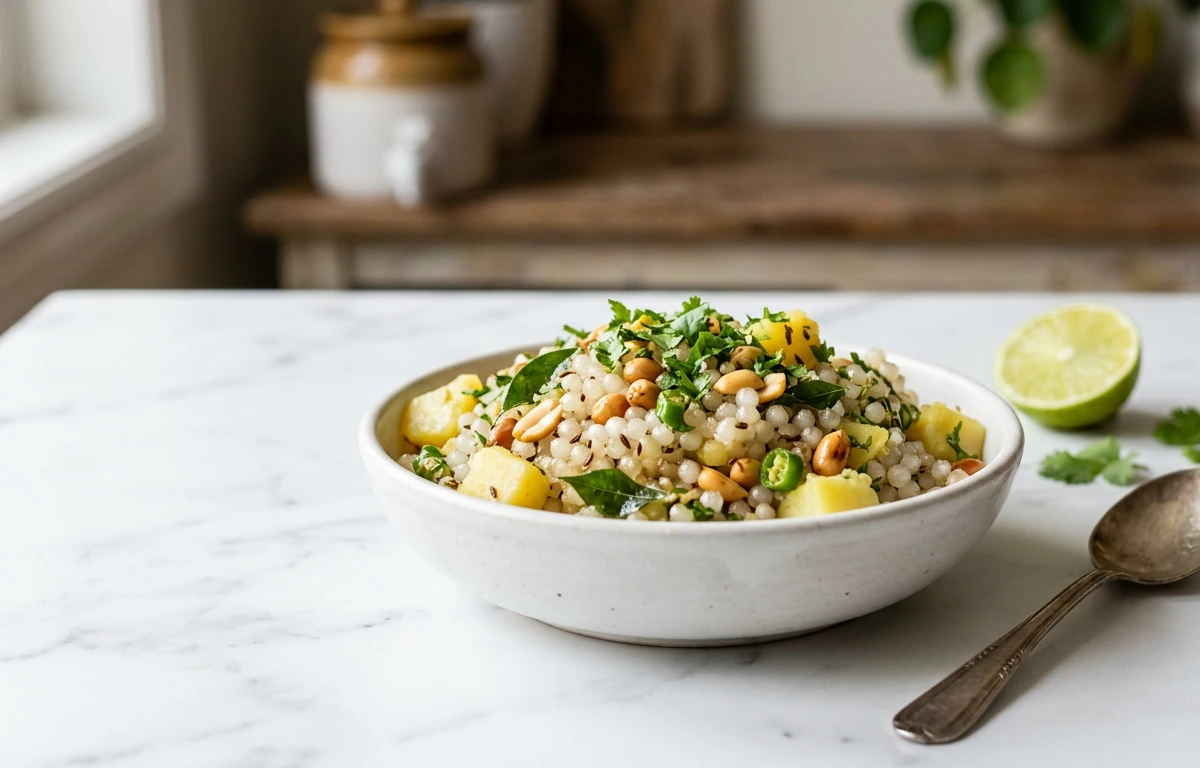
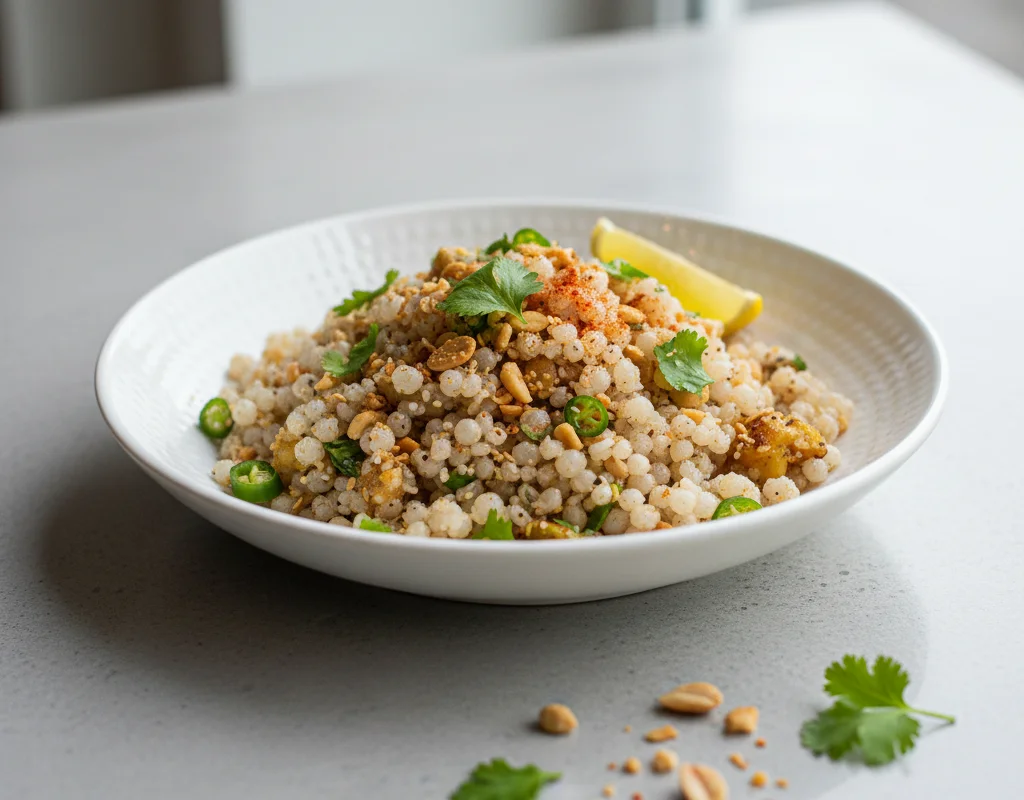
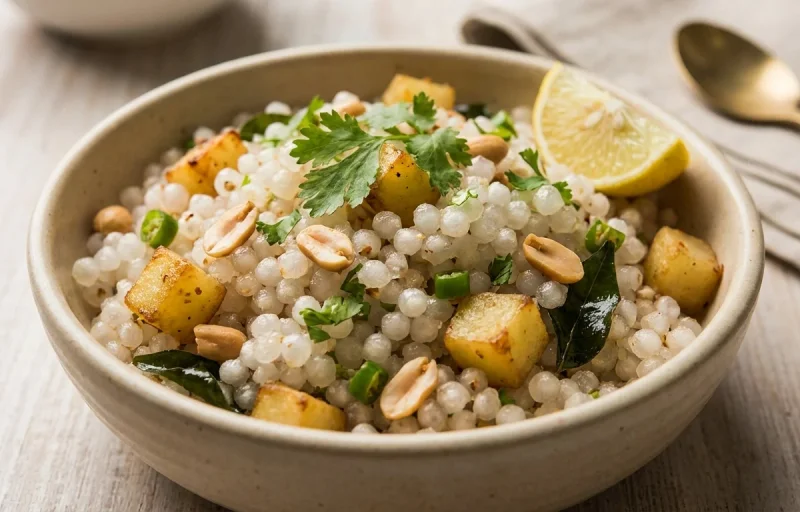
- 1For Indian dishes like Khichdi, rinse until water runs clear and soak for 4-6 hours
- 2For Boba tea, boil in plenty of water until translucent and then soak in sugar syrup
- 3Do not overcook or over-soak, as the pearls can become mushy and lose their shape
STORAGE
Keep it fresh.
- Store in an airtight container in a cool, dry, and dark place
- Keep away from moisture to prevent the pearls from clumping or molding
- Dried pearls can last up to 12 months if stored properly
FAQ
Frequently asked questions.
How long do dried tapioca pearls last?
When stored in an airtight container in a cool, dry place, they can last for up to one year.
Are tapioca pearls and sago pearls the same?
No, tapioca pearls are made from cassava root starch, while true sago pearls are made from the pith of sago palm trees, though they are often used interchangeably in recipes.
Can I freeze cooked tapioca pearls?
It is not recommended to freeze cooked pearls as they lose their chewy texture and become gritty or mushy upon thawing.
How do I know if the pearls are cooked properly?
They should be translucent all the way through. If there is a white opaque center, they need more cooking or soaking time.
What is a good substitute for tapioca pearls?
Arrowroot starch pearls or small pasta like acini di pepe can work in puddings, though the texture will differ.
Why did my tapioca pearls dissolve when I washed them?
This happens if you use hot water or scrub them too hard. Always use room temperature water and a gentle rinsing motion.
Are tapioca pearls keto-friendly?
No, they are almost entirely made of starch and are very high in carbohydrates, making them unsuitable for a ketogenic diet.
RECIPES
Cook with tapioca pearls.
1 recipes · sorted by what’s quick