
Vegetable
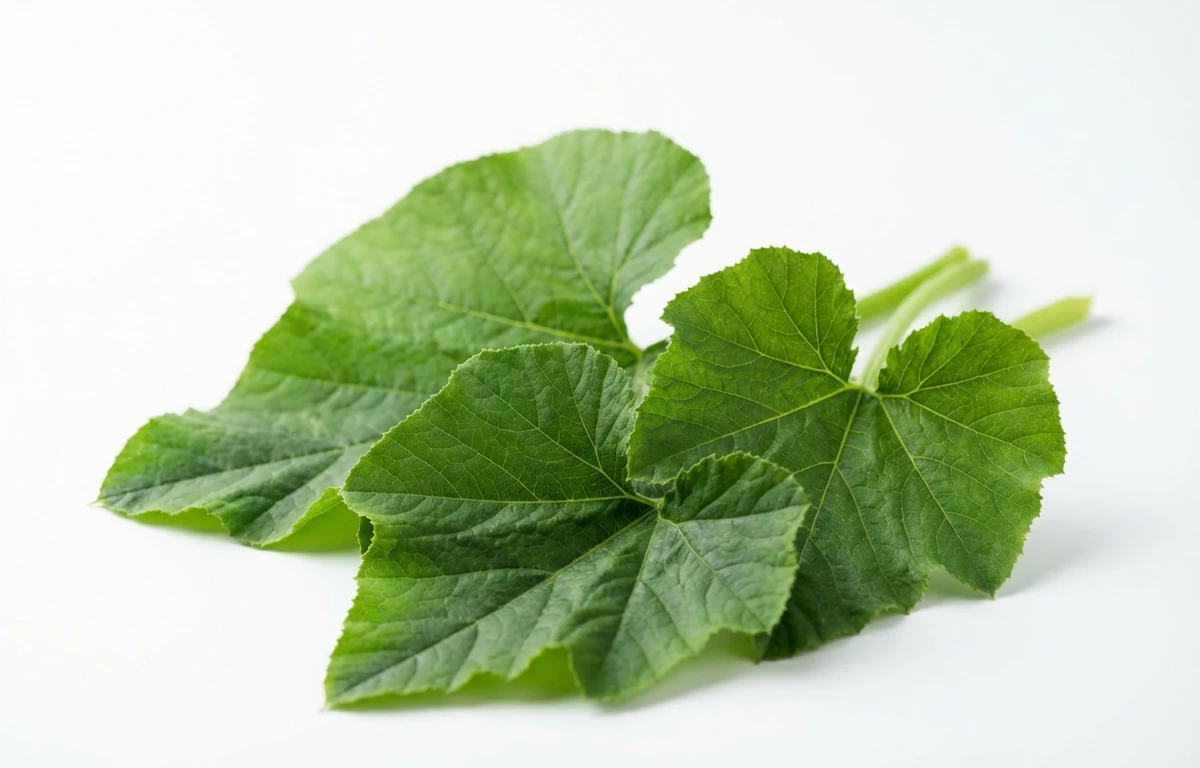
tender pumpkin leaves.
VegetarianVeganGluten-freeDairy-freeNut-freePeanut-freeSoy-freeEgg-freeShellfish-freeHoney-freeAlcohol-freeHalalKosher
SERVING
CALORIES
44
PROTEIN
4.2g
CARBS
4.8g
FAT
0.74g
FIBER
2.3g
This ingredient is flagged as naturally gluten-free. Per 100 g, it provides 243 µg of vitamin K.
NUTRITION PROFILE · per 100 g
Everything in this ingredient.
MACRONUTRIENTS
Calories44.2kcal—
Protein4.2g8%
Carbohydrates4.8g2%
Fiber2.3g8%
Sugar0.10g0%
Total fat0.74g1%
Saturated fat0.27g1%
Trans fat0g—
Cholesterol0mg0%
Water85.8g—
MINERALS
Sodium12.2mg1%
Potassium423mg9%
Calcium271mg21%
Iron5.6mg31%
Magnesium84.2mg20%
Phosphorus64.5mg5%
Zinc0.90mg8%
Copper0.29mg32%
Manganese1.1mg50%
Selenium1.4µg3%
VITAMINS
Vitamin A1455µg162%
Vitamin C12.3mg14%
Vitamin D3.2µg16%
Vitamin E1.7mg11%
Vitamin K243µg203%
Thiamin (B1)0.07mg6%
Riboflavin (B2)0.13mg10%
Niacin (B3)1.5mg9%
Pantothenic acid (B5)0.36mg7%
Vitamin B60.17mg10%
Biotin (B7)3.4µg11%
Folate (B9)33.8µg8%
%DV based on a 2,000 cal diet. Source: USDA FoodData Central. A dash in the %DV column means there’s no established Daily Value for that nutrient.
MEASUREMENT CONVERSIONS
How much is what.
1 cup35g
1 tablespoon2.2g
1 teaspoon0.7g
1 oz28.4g
1 lb453.6g
1 ml0.1g
1 liter147.9g
COOKING TIPS
In the kitchen.
- 1Before cooking, wash the leaves thoroughly and peel the fibrous outer layer from the stems and larger veins for a more tender texture.
- 2Pumpkin leaves can be used like spinach or kale. They are excellent when sautéed with garlic and onions, steamed, or added to soups, stews, and curries.
- 3To reduce their slightly bitter taste, you can blanch the leaves in boiling salted water for a minute before incorporating them into your dish.
- 4The slightly fuzzy texture of the leaves softens completely upon cooking, resulting in a tender bite.
STORAGE
Keep it fresh.
- Refrigerate unwashed leaves in a perforated plastic bag for up to 3-5 days. Adding a paper towel can help absorb excess moisture.
- For long-term storage, blanch the leaves for 2 minutes, shock them in an ice bath, drain thoroughly, and freeze in an airtight container for up to 8 months.
FAQ
Frequently asked questions.
How many calories and protein are in pumpkin leaves?
Per 100g, tender pumpkin leaves contain approximately 44.22 calories and 4.21g of protein. This makes them a low-calorie, nutrient-dense vegetable that provides a decent amount of plant-based protein compared to other leafy greens.
Are pumpkin leaves keto-friendly?
Yes, pumpkin leaves are very keto-friendly as they contain only about 4.75g of carbohydrates per 100g. Their high fiber content further reduces the net carb count, making them ideal for low-carb diets.
How do you prepare pumpkin leaves for cooking?
To prepare them, you should peel away the thin, 'hairy' outer skin from the stems and the veins on the back of the leaves. Once peeled and rinsed, they can be chopped and sautéed, steamed, or added to soups and stews.
What do pumpkin leaves taste like?
Pumpkin leaves have a mild, earthy flavor that is often compared to a cross between spinach and broccoli. They are slightly sweeter than kale and have a tender, velvety texture once the fibrous outer skin is removed and they are cooked.
Can you eat pumpkin leaves raw?
While pumpkin leaves are not toxic when raw, they have a fuzzy, prickly texture that most people find unpleasant. Cooking them softens these fibers and significantly improves the texture and digestibility.
How do you store fresh pumpkin leaves?
Fresh pumpkin leaves should be stored in a plastic bag in the refrigerator's crisper drawer. They are quite delicate and should be used within 2 to 3 days for the best flavor and nutritional value.
Are pumpkin leaves vegan and gluten-free?
Yes, pumpkin leaves are a natural plant product and are both 100% vegan and gluten-free. They are an excellent addition to restricted diets looking for natural sources of iron and calcium.



















