
Vegetable1 recipes
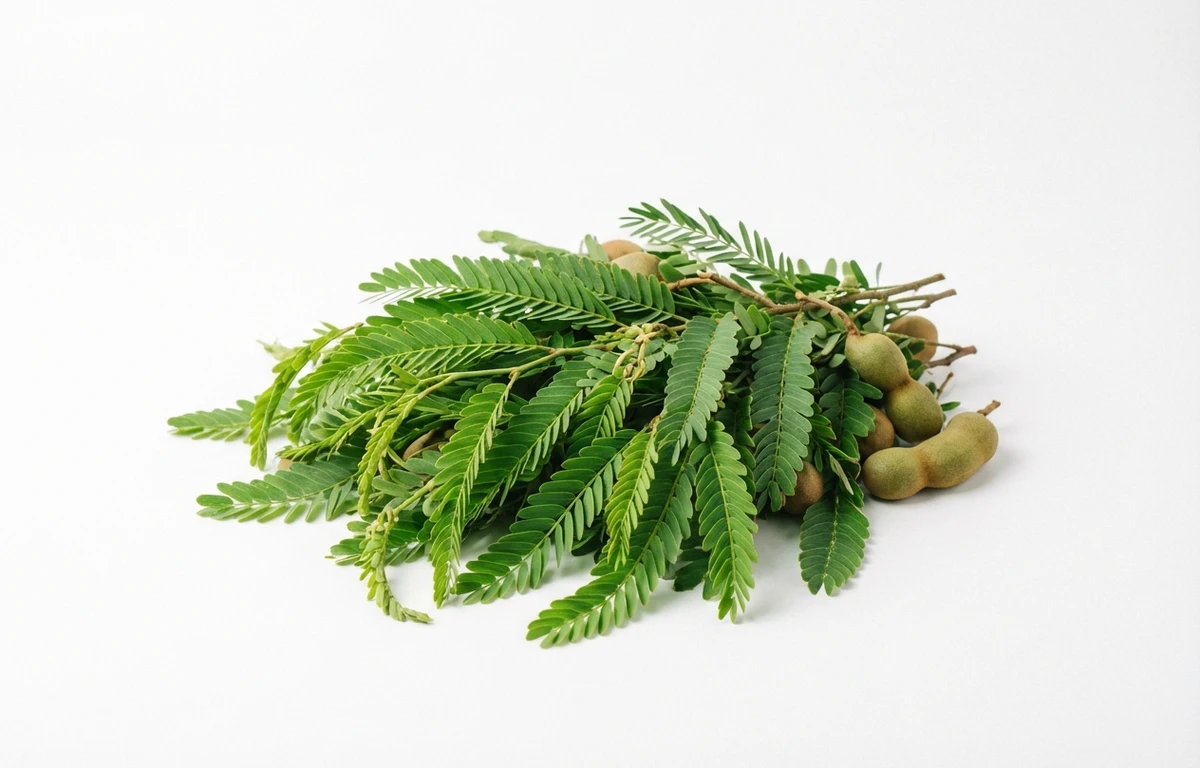
tender tamarind leaves.
VegetarianVeganGluten-freeDairy-freeNut-freePeanut-freeSoy-freeEgg-freeShellfish-freeHoney-freeAlcohol-free
ALSO KNOWN AS
chigurtender tamarind shootstamarind tipskachi imli ki patti
SERVING
CALORIES
92
PROTEIN
4.1g
CARBS
16.2g
FAT
1.2g
FIBER
5.4g
This ingredient is flagged as naturally gluten-free. Per 100 g, it provides 120 µg of vitamin K.
NUTRITION PROFILE · per 100 g
Everything in this ingredient.
MACRONUTRIENTS
Calories92kcal—
Protein4.1g8%
Carbohydrates16.2g6%
Fiber5.4g19%
Sugar2.5g5%
Total fat1.2g2%
Saturated fat0.20g1%
Trans fat0g—
Cholesterol0mg0%
Water70g—
MINERALS
Sodium15mg1%
Potassium250mg5%
Calcium101mg8%
Iron5.2mg29%
Magnesium71mg17%
Phosphorus68mg5%
Zinc0.80mg7%
Copper0.20mg22%
Manganese0.50mg22%
Selenium0.60µg1%
VITAMINS
Vitamin A15µg2%
Vitamin C45mg50%
Vitamin D0µg0%
Vitamin E0.50mg3%
Vitamin K120µg100%
Thiamin (B1)0.15mg13%
Riboflavin (B2)0.12mg9%
Niacin (B3)1.1mg7%
Pantothenic acid (B5)0.30mg6%
Vitamin B60.10mg6%
Biotin (B7)3.3µg11%
Folate (B9)14µg4%
Vitamin B120µg0%
%DV based on a 2,000 cal diet. Source: USDA FoodData Central. A dash in the %DV column means there’s no established Daily Value for that nutrient.
MEASUREMENT CONVERSIONS
How much is what.
1 cup120g
1 tablespoon7.5g
1 teaspoon2.5g
1 ml0.5g
1 liter500g
HEALTH BENEFITS
Why eat it.
- ✓Aids in digestion and can act as a mild laxative, helping to relieve constipation.
COOKING TIPS
In the kitchen.
- 1Use as a primary souring agent in South Indian dishes like curries (pulusu), lentil soups (dal), and rasam for a fresh, tangy flavor.
- 2Grind fresh tender leaves with coconut, green chilies, and salt to create a vibrant and tangy chutney.
- 3Finely chop and add to rice dishes, stir-fries, or mutton and chicken preparations in the last few minutes of cooking to impart a zesty taste.
- 4The leaves can be steeped in hot water to make a sour, refreshing herbal tea.
STORAGE
Keep it fresh.
- For short-term storage, wrap fresh leaves in a damp paper towel, place in a plastic bag, and refrigerate for up to one week.
- For longer storage, the leaves can be sun-dried or dehydrated, then stored in an airtight container in a cool, dark place for several months.
FAQ
Frequently asked questions.
What is the nutritional profile of tender tamarind leaves?
Per 100g, tender tamarind leaves contain approximately 92 calories, 4.1g of protein, 16.2g of carbohydrates, and 1.2g of fat. They are a nutrient-dense green, providing a good amount of protein for a leafy vegetable.
Can tender tamarind leaves help with digestion?
Yes, these leaves are traditionally used to aid digestion. They can act as a mild natural laxative, which helps in relieving constipation and promoting regular bowel movements.
Are tender tamarind leaves keto-friendly?
With 16.2g of carbohydrates per 100g, tender tamarind leaves can be included in a keto diet if consumed in moderation. Their high fiber and nutrient content make them a healthy addition to low-carb meals.
What do tender tamarind leaves taste like?
Tender tamarind leaves have a distinct tart, tangy, and slightly sour flavor. They provide a refreshing acidity to dishes, similar to tamarind fruit but with a more delicate, herbal undertone.
How do you prepare and cook tender tamarind leaves?
Wash the leaves thoroughly and remove any thick or woody stems. They are commonly used in dals, curries, and chutneys, or can be dried and powdered to use as a souring agent in various recipes.
How should I store tender tamarind leaves to keep them fresh?
Store fresh leaves by wrapping them in a damp paper towel and placing them in a sealed container or plastic bag in the refrigerator. They are best used within 2 to 3 days while they remain tender and vibrant.
Can I eat tender tamarind leaves raw?
Yes, tender tamarind leaves can be eaten raw. They are often added to salads or ground into fresh chutneys to provide a bright, sour flavor profile without the need for cooking.
What can I use as a substitute for tender tamarind leaves?
If you cannot find tender tamarind leaves, you can substitute them with a small amount of tamarind pulp or lemon juice to achieve a similar sourness. However, the unique leafy texture and herbal aroma will be missing.
RECIPES
Cook with tender tamarind leaves.
1 recipes · sorted by what’s quick



















