
Loading...
Per 100g
Nutrition data source: USDA FoodData Central
Common measurement equivalents in grams
Yes, they are highly nutritious and low in calories. They are an excellent source of Vitamin C, which boosts immunity, and contain capsaicin, which has been linked to improved metabolism and anti-inflammatory benefits.
Per 100g, these chilies contain approximately 40 calories, 9g of carbohydrates, 2g of protein, and 0.4g of fat. Since they are usually consumed in small amounts, their caloric contribution to a meal is very low.
Yes, they are very keto-friendly. Their low carbohydrate content and high flavor profile make them an ideal ingredient for adding spice to low-carb diets without adding significant sugars or starches.
They are considered quite hot, typically ranging from 50,000 to 100,000 Scoville Heat Units (SHU). They are significantly spicier than jalapeños but generally milder than habanero peppers.
Store them in the refrigerator in a breathable bag or wrapped in paper towels for up to two weeks. For longer storage, you can freeze them whole in a sealed bag or dry them out to make chili flakes.
Yes, they are frequently eaten raw in Thai cuisine, often finely chopped in dipping sauces or tossed into salads. However, be aware that the heat is most intense when the chili is raw and the seeds are intact.
Serrano peppers are the best substitute for flavor, though they are milder. If you need a similar heat level, you can use a smaller amount of habanero or increase the quantity of fresh cayenne peppers.
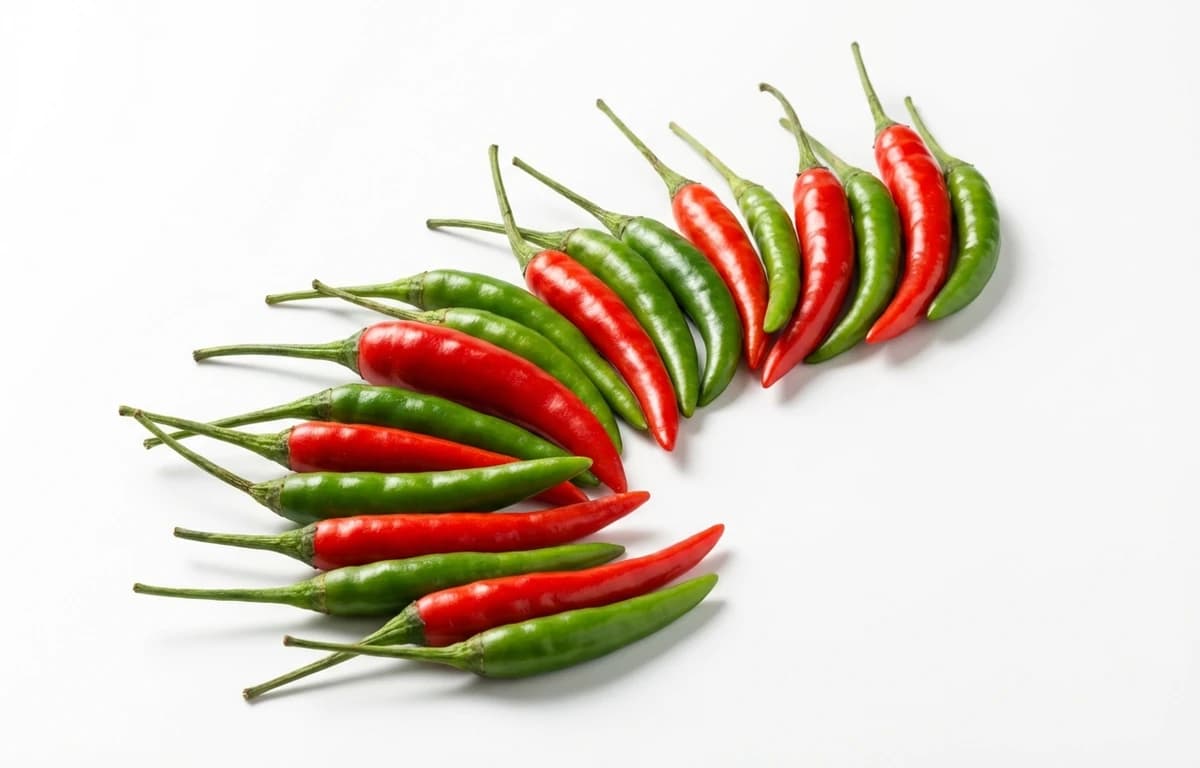
Thai Bird's Eye Chilies is a versatile ingredient found in cuisines around the world. With 40 calories per 100g and 2 grams of protein, it's a nutritious addition to many dishes.
Explore more ingredients in the vegetable category with complete nutrition information.
View all vegetable →Discover 1 recipes featuring thai bird's eye chilies with step-by-step instructions.
Browse recipes →To reduce the spice level, remove the internal seeds and the white pith (membranes) before adding the chili to your dish. You can also add the chili whole to a soup or curry and remove it before serving to infuse flavor without maximum heat.
Fresh chilies should be firm, glossy, and have a vibrant color. If they feel soft or mushy, appear shriveled, or show any signs of dark spots or mold, they should be discarded.
The capsaicin in Thai chilies acts as a natural thermogenic that may boost metabolism and aid in weight management. It also provides antioxidant protection and may help reduce inflammation and support cardiovascular health.