
Loading...
Also known as: See-ew Wan, Thai Sweet Soy Sauce, Black Sweet Soy Sauce, See-ew Dum Wan, Siu Wan
Per 100g
Nutrition data source: USDA FoodData Central
Common measurement equivalents in grams
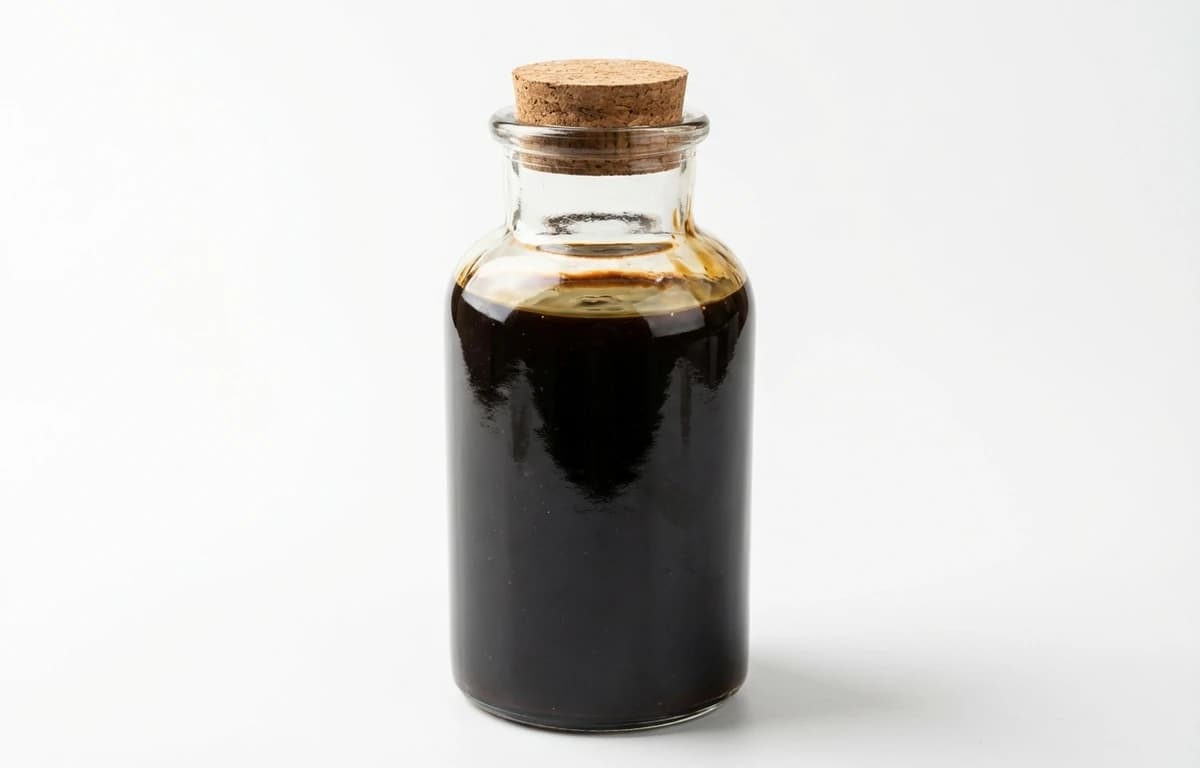
It is a thick, syrupy condiment made from fermented soy beans, sugar, and often molasses, used primarily in Thai cuisine for color and sweetness.
It is much thicker, significantly sweeter, and less salty than regular or light soy sauce, acting more like a syrup than a thin liquid.
Generally no, as wheat is typically used in the fermentation process of the soy base. Always check the label for specific brands.
A mixture of regular dark soy sauce and brown sugar or molasses (in a 1:1 ratio) is the best alternative.
It is shelf-stable due to high sugar and salt content, but refrigeration helps preserve the delicate aromatic notes of the fermentation.
Yes, it is commonly served as a dipping sauce for Hainanese chicken rice, dim sum, and crispy pork belly.
They are very similar, but Thai sweet soy sauce is often slightly less thick and has a different balance of aromatics compared to Kecap Manis.
When stored properly in a cool place, it can last for 12 to 24 months.
It provides the essential 'caramelized' flavor and the iconic dark brown color to the wide rice noodles.
Thai Dark Sweet Soy Sauce is a versatile ingredient found in cuisines around the world. With 280 calories per 100g and 3.5 grams of protein, it's a nutritious addition to many dishes.
Explore more ingredients in the condiment category with complete nutrition information.
View all condiment →Discover 1 recipes featuring thai dark sweet soy sauce with step-by-step instructions.
Browse recipes →Yes, it is made from plant-based ingredients (soy, wheat, sugar) and does not contain animal products.