
Loading...
Per 100g
Nutrition data source: USDA FoodData Central
Common measurement equivalents in grams
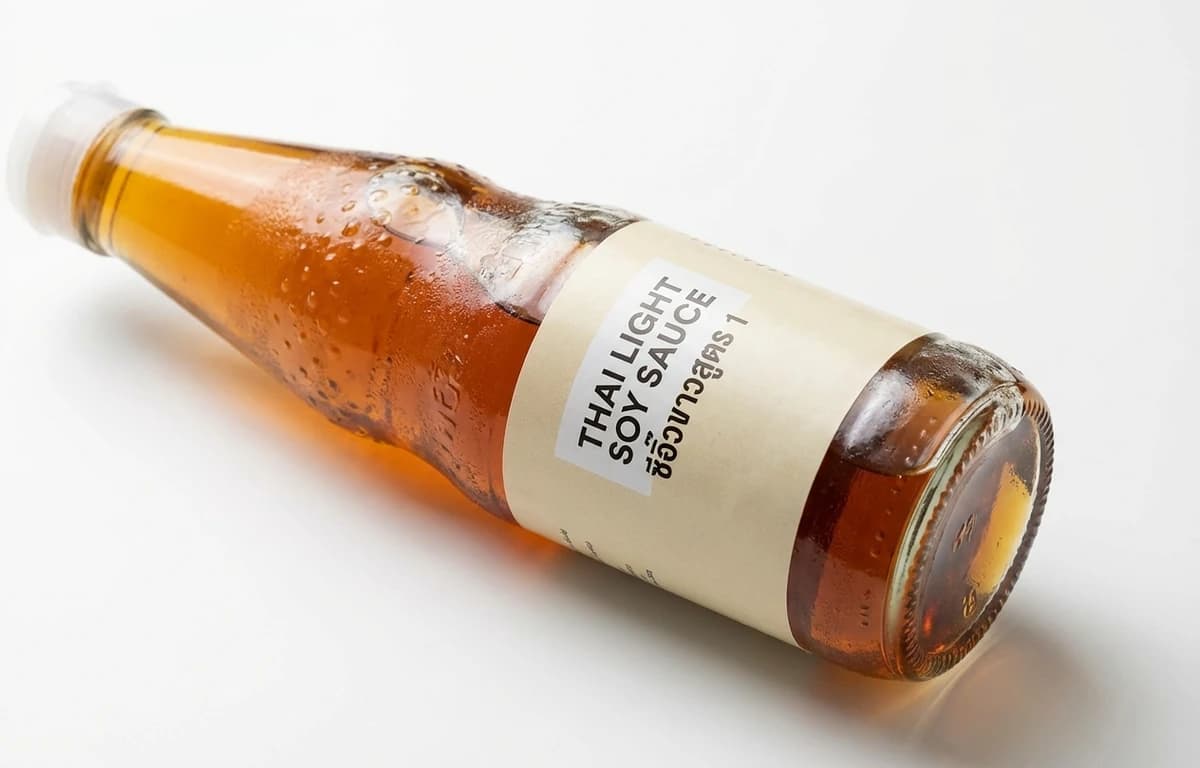
Thai light soy sauce is a low-calorie, fat-free condiment that provides antioxidants and essential amino acids from fermented soybeans. While it enhances umami flavor without adding significant calories, it is very high in sodium and should be consumed in moderation, especially by those monitoring their salt intake.
Per 100g, Thai light soy sauce contains approximately 53 calories and 5.5g of carbohydrates. Because a typical serving size is only about one tablespoon (15g), it contributes very few calories and carbs to a finished dish.
Most traditional Thai light soy sauces are not gluten-free because they are brewed using wheat in addition to soybeans. Individuals with celiac disease or gluten sensitivity should look for specifically labeled gluten-free soy sauce or use Tamari as a substitute.
Yes, Thai light soy sauce is both vegan and vegetarian. It is produced through the fermentation of soybeans, water, salt, and wheat, containing no animal products or by-products.
Yes, it is considered keto-friendly. With only 5.5g of carbs per 100g and very small serving sizes, it adds negligible carbohydrates to a meal, making it an excellent way to add flavor to low-carb stir-fries and proteins.
Light soy sauce is saltier, thinner, and used primarily for seasoning and umami without darkening the food's color. Dark soy sauce is aged longer, often contains added sugar or molasses, and is used mainly for its rich color and a milder, sweeter flavor.
It has a thin consistency and a sharp, salty, and savory flavor profile. It provides a clean umami punch that enhances the natural flavors of ingredients without the heavy, syrupy sweetness found in darker soy varieties.
Thai Light Soy Sauce is a versatile ingredient found in cuisines around the world. With 53 calories per 100g and 7.5 grams of protein, it's a nutritious addition to many dishes.
Explore more ingredients in the condiment category with complete nutrition information.
View all condiment →Discover 1 recipes featuring thai light soy sauce with step-by-step instructions.
Browse recipes →Yes, you can substitute it with regular or Chinese light soy sauce in a 1:1 ratio. While Thai light soy sauce has a slightly more delicate profile, the salt content and functional use in cooking are very similar.
Unopened bottles can be stored in a cool, dark pantry. Once opened, it is best to keep it in the refrigerator to preserve its delicate flavor and prevent oxidation; it will typically remain high quality for 1 to 2 years.
Soy sauce has a very long shelf life due to its high salt content, but if you notice an off-smell, the presence of mold, or a significant change in thickness or color, it should be discarded. A slight sediment at the bottom is usually normal for fermented products.