
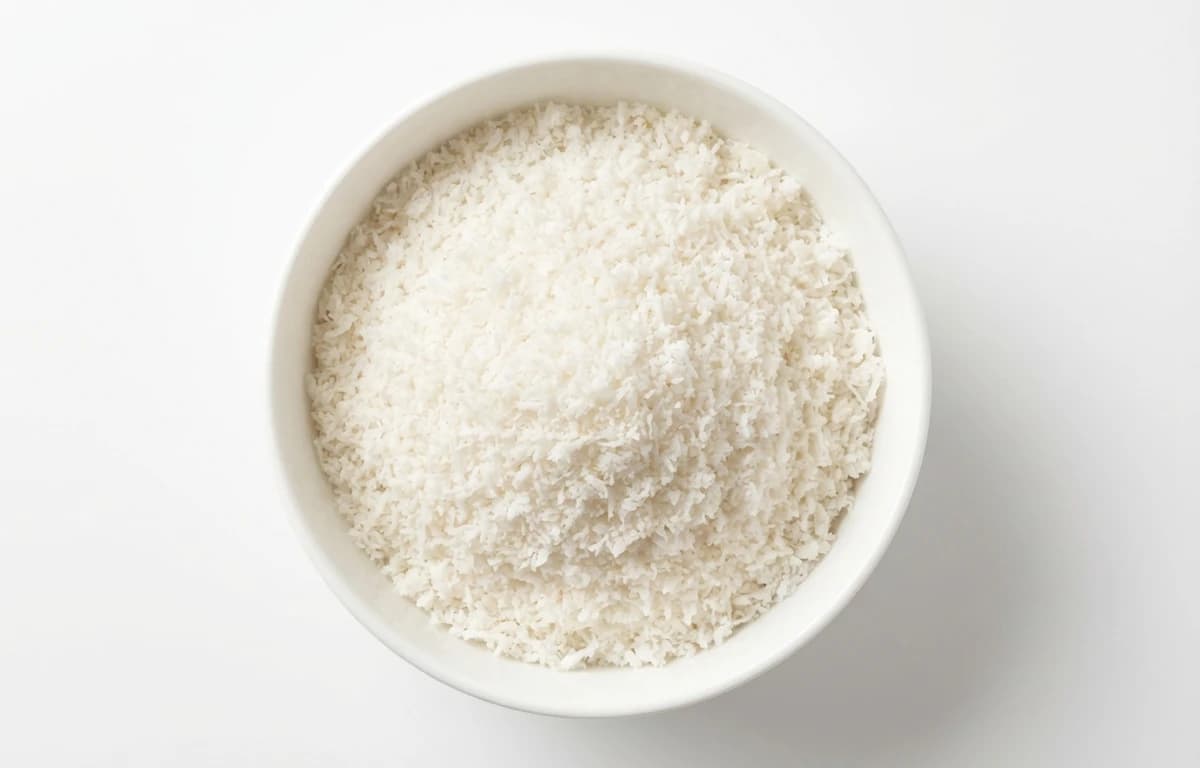
thenga kothu
Also known as:
Loading...
Also known as:
Per 100g
Nutrition data source: USDA FoodData Central
Yes, thenga kothu is highly nutritious as it contains medium-chain triglycerides (MCTs) for quick energy and dietary fiber for digestive health. It also provides essential minerals like manganese and copper, though it should be consumed in moderation due to its high calorie and fat content.
A 100g serving of thenga kothu contains approximately 354 calories and 15.2g of carbohydrates. It is a calorie-dense food with 33.5g of fat, making it an excellent energy source for active individuals.
Yes, thenga kothu is very keto-friendly. Its high fat content (33.5g) and relatively low net carbohydrate count make it an ideal snack or ingredient for those following a ketogenic or low-carb lifestyle.
Yes, thenga kothu is naturally vegan and gluten-free. It is a pure plant-based ingredient derived from coconut meat, making it safe for individuals with celiac disease or those following a strict vegan diet.
Thenga kothu has a rich, nutty, and mildly sweet flavor with a distinct tropical aroma. When raw, it has a firm and crunchy texture, which becomes even more crisp and flavorful when fried or toasted.
In South Indian cuisine, these coconut slices are often fried in ghee or oil and added to dishes like beef fry, Kerala plum cake, or sweet snacks like Aval Vilayichathu. They provide a unique crunch and a burst of coconut flavor to both sweet and savory recipes.
Yes, you can eat thenga kothu raw. It is a healthy, fiber-rich snack in its raw form, though many traditional recipes call for it to be sautéed or fried to enhance its nutty profile and texture.
thenga kothu is a versatile ingredient found in cuisines around the world. With 354 calories per 100g and 3.3 grams of protein, it's a nutritious addition to many dishes.
Explore more ingredients in the nut category with complete nutrition information.
View all nut →Discover 0 recipes featuring thenga kothu with step-by-step instructions.
Browse recipes →Fresh thenga kothu should be stored in an airtight container in the refrigerator to prevent it from turning rancid, where it will stay fresh for about 4-5 days. For longer storage, you can freeze the pieces for up to 3 months.
While high in calories, thenga kothu can support weight loss when eaten in small amounts because its high fiber content promotes satiety. Additionally, the MCTs in coconut are processed by the liver for immediate energy rather than being stored as body fat.
Spoiled thenga kothu will develop a sour, off-putting smell or a soapy taste. Visually, look for any signs of yellowing, slime, or mold growth, which indicate the pieces are no longer safe to consume.