vegetable1 recipes
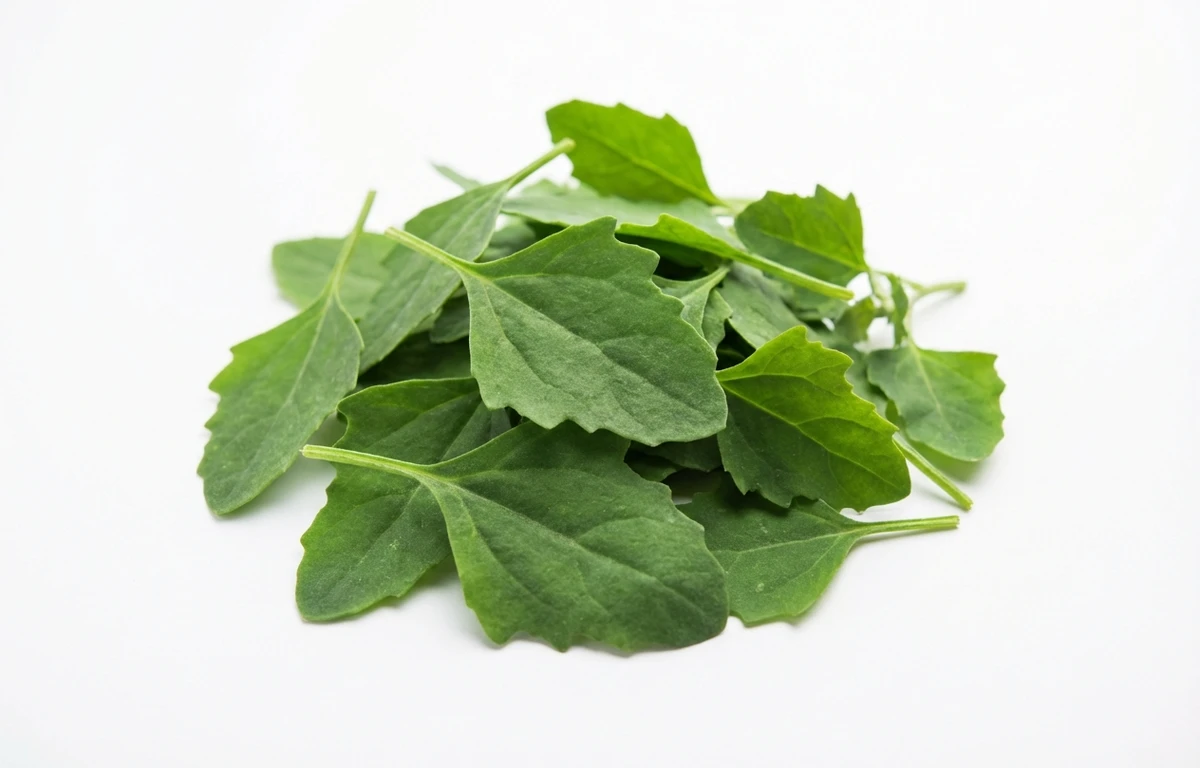
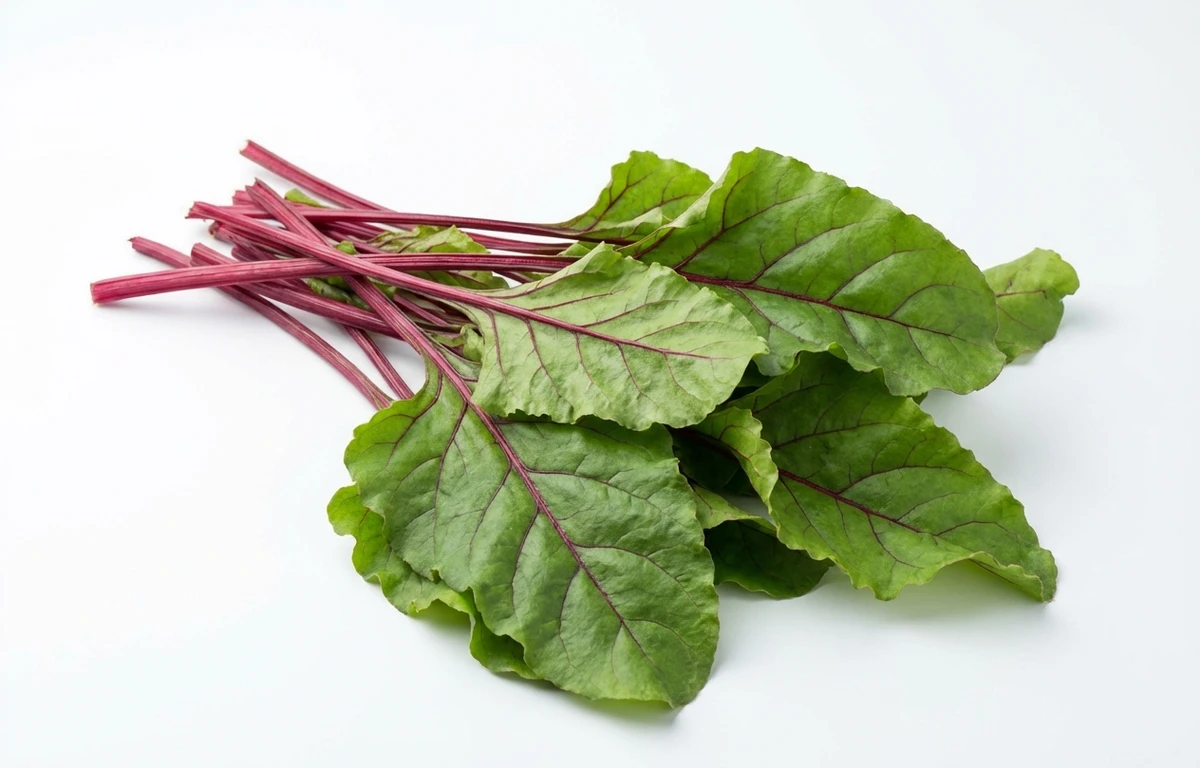
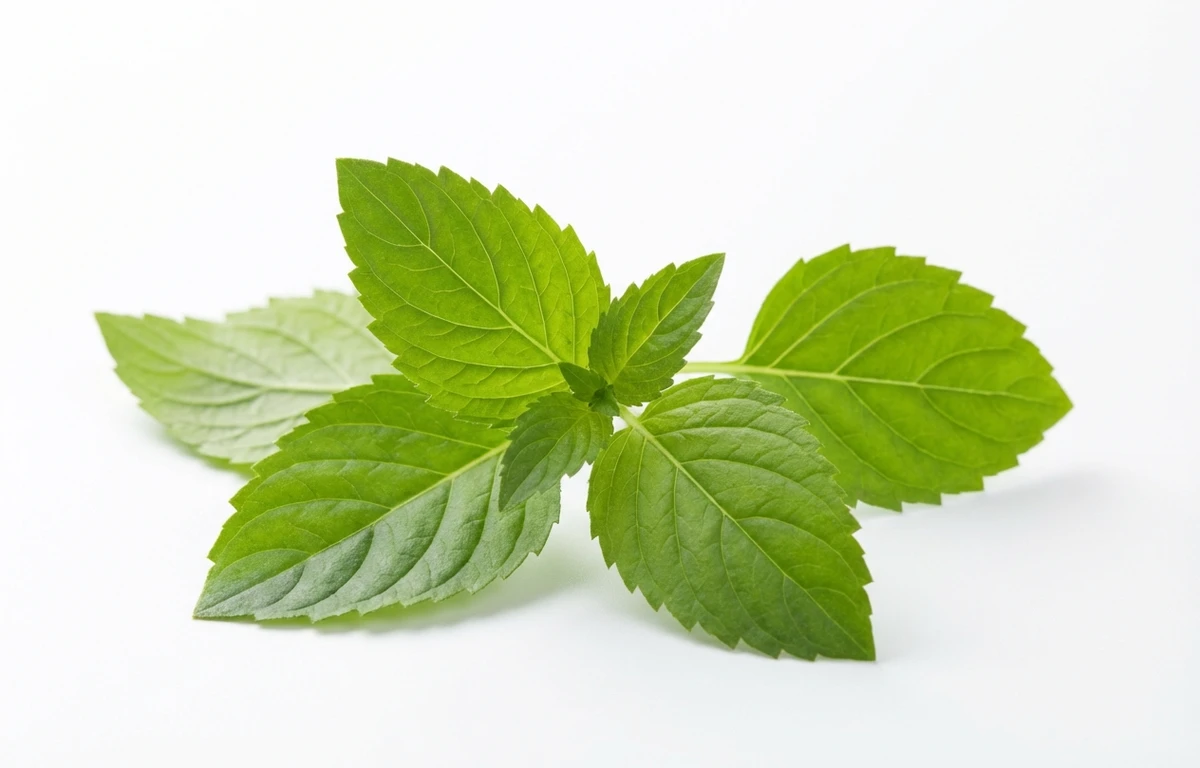
thimare leaves.
VegetarianVeganGluten-freeDairy-freeNut-freePeanut-freeSoy-freeEgg-freeShellfish-freeHoney-freeAlcohol-free
SERVING
CALORIES
45
PROTEIN
1.6g
CARBS
8.4g
FAT
0.50g
FIBER
1.8g
NUTRITION PROFILE · per 100 g
Everything in this ingredient.
MACRONUTRIENTS
Calories45kcal—
Protein1.6g3%
Carbohydrates8.4g3%
Fiber1.8g6%
Sugar1.0g2%
Total fat0.50g1%
Saturated fat0.10g1%
Trans fat0g—
Cholesterol0mg0%
Water88g—
MINERALS
Sodium10mg0%
Potassium222mg5%
Calcium150mg12%
Iron3.0mg17%
Magnesium42mg10%
Phosphorus32mg3%
Zinc0.42mg4%
Copper0.14mg16%
Manganese0.54mg23%
VITAMINS
Vitamin A200µg22%
Vitamin C25mg28%
Vitamin D0µg0%
Thiamin (B1)0.15mg13%
Riboflavin (B2)0.14mg11%
Niacin (B3)1.2mg8%
Vitamin B60.15mg9%
Vitamin B120µg0%
%DV based on a 2,000 cal diet. Source: USDA FoodData Central. A dash in the %DV column means there’s no established Daily Value for that nutrient.
MEASUREMENT CONVERSIONS
How much is what.
1 cup21g
1 tablespoon6g
1 teaspoon2g
HEALTH BENEFITS
Why eat it.
- ✓Possesses strong antimicrobial and antiseptic properties due to its primary component, thymol, which can help fight bacterial and fungal infections.
- ✓Supports respiratory health by acting as an expectorant, helping to relieve coughs, congestion, and bronchitis.
- ✓Rich in antioxidants, including flavonoids and phenolic acids, which help combat oxidative stress and inflammation.
- ✓A good source of Vitamin C and Vitamin A, which are essential for supporting a robust immune system.
COOKING TIPS
In the kitchen.
- 1Add whole sprigs to soups, stews, and roasts early in the cooking process to infuse a subtle flavor, then remove the woody stems before serving.
- 2Thyme pairs exceptionally well with lemon, garlic, poultry, lamb, beef, and root vegetables like potatoes and carrots.
- 3For a more potent flavor, strip the small leaves from the stem and chop them before adding to dishes. Use about one-third the amount of dried thyme if substituting for fresh.
STORAGE
Keep it fresh.
- Store fresh thyme sprigs by wrapping them loosely in a damp paper towel, placing them in a plastic bag, and keeping them in the refrigerator for up to two weeks.
- To preserve for longer, dry the thyme by hanging it in a warm, well-ventilated area. Once brittle, crumble the leaves and store in an airtight container in a cool, dark place for up to a year.
FAQ
Frequently asked questions.
What are the health benefits of thimare leaves?
Thimare leaves are highly nutritious, offering strong antimicrobial and antiseptic properties due to their thymol content. They support respiratory health by acting as an expectorant and are rich in antioxidants like flavonoids that combat inflammation. Additionally, they provide essential Vitamin A and Vitamin C to boost the immune system.
How many calories and carbs are in thimare leaves?
Thimare leaves are low in calories, containing approximately 45 calories per 100g. They provide 8.4g of carbohydrates, 1.6g of protein, and a very low fat content of 0.5g, making them a light and healthy vegetable choice.
Are thimare leaves good for weight loss?
Yes, thimare leaves are excellent for weight loss because they are low in calories and fat while being nutrient-dense. Their high antioxidant content and fiber can support metabolic health when included as part of a balanced diet.
Are thimare leaves keto-friendly?
Thimare leaves can be included in a keto diet in moderation. With 8.4g of total carbohydrates per 100g, they provide essential vitamins and minerals without significantly impacting daily carb limits, especially when used in small quantities like chutneys or garnishes.
Is thimare gluten-free and vegan?
Yes, thimare leaves are naturally gluten-free and 100% vegan. They are a plant-based leafy vegetable suitable for individuals with celiac disease or those following a strict vegan lifestyle.
How do you prepare and cook thimare leaves?
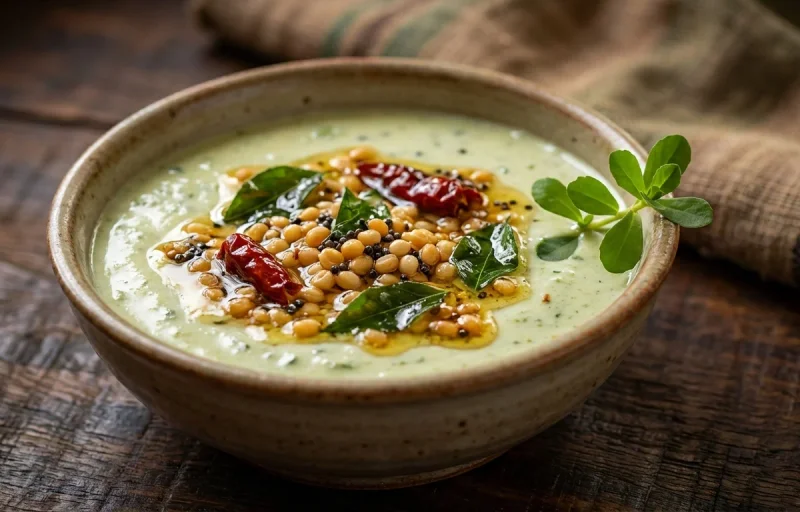
Thimare leaves should be washed thoroughly in cold water to remove dirt. They are commonly ground into chutneys with coconut and chilies, blended into a cooling yogurt-based drink called 'Tambuli,' or added to fresh salads and juices.
What do thimare leaves taste like?
Thimare leaves have a distinct, slightly bitter, and earthy flavor profile with a refreshing herbal finish. The bitterness is often balanced in cooking by adding ingredients like coconut, jaggery, or yogurt.
Can I eat thimare leaves raw?
Yes, thimare leaves can be eaten raw and are frequently consumed as a fresh juice or in raw chutneys. Eating them raw helps preserve their heat-sensitive Vitamin C and active antimicrobial compounds.
How should I store thimare leaves to keep them fresh?
Store fresh thimare leaves in the refrigerator by wrapping them in a damp paper towel and placing them in a reusable container or a perforated plastic bag. They typically stay fresh for 3 to 5 days when stored this way.
How do thimare leaves help with respiratory issues?
Thimare leaves act as a natural expectorant, which helps thin and loosen mucus in the airways. This property makes them effective in relieving symptoms of common coughs, chest congestion, and bronchitis.
RECIPES
Cook with thimare leaves.
1 recipes · sorted by what’s quick