condiment1 recipes
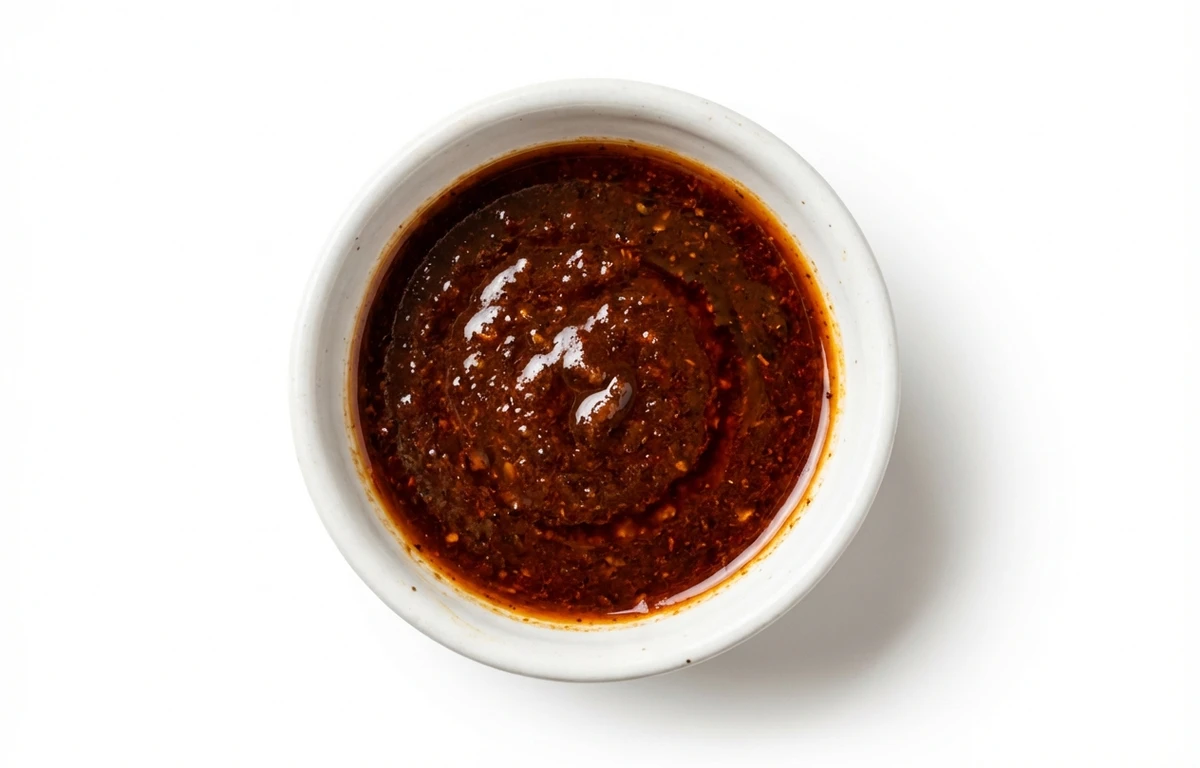
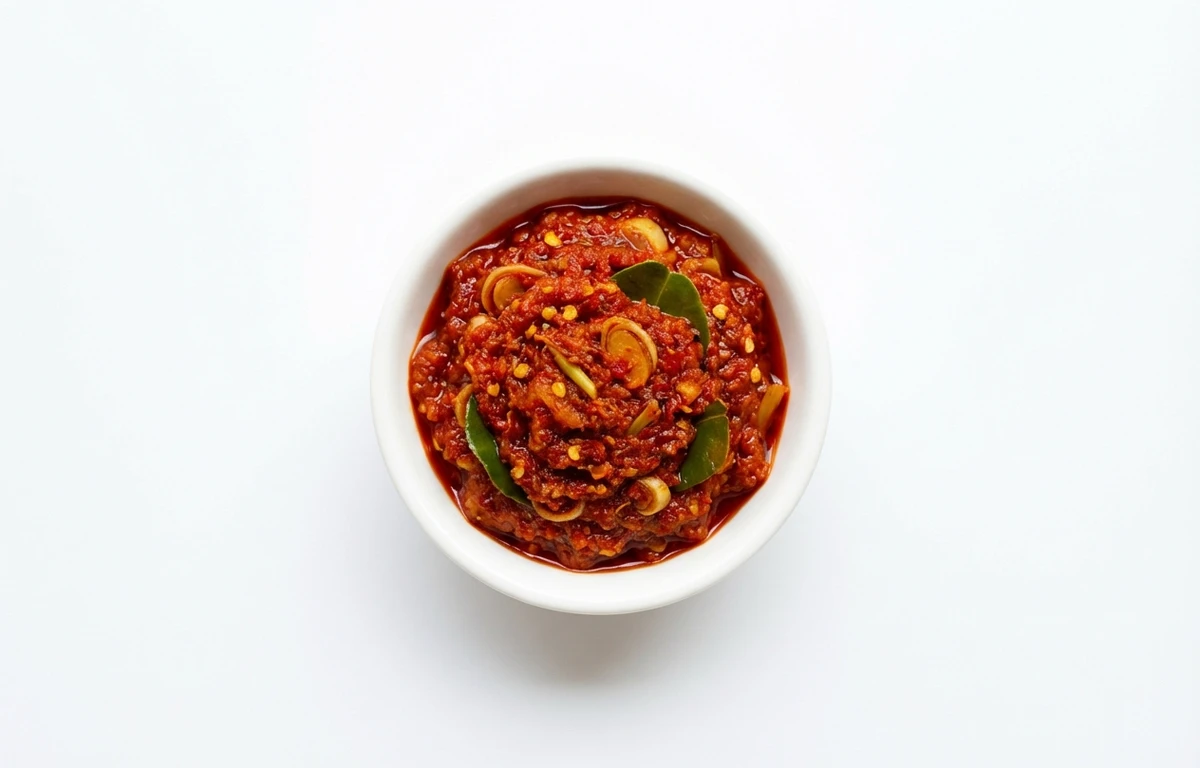
tom yum paste.
VegetarianVeganGluten-freeDairy-freeNut-freePeanut-freeSoy-freeEgg-freeShellfish-freeHoney-freeAlcohol-freeFermented
ALSO KNOWN AS
tom yam pastetom yum soup base
SERVING
CALORIES
260
PROTEIN
4.5g
CARBS
24g
FAT
18g
FIBER
4.2g
NUTRITION PROFILE · per 100 g
Everything in this ingredient.
MACRONUTRIENTS
Calories260kcal—
Protein4.5g9%
Carbohydrates24g9%
Fiber4.2g15%
Sugar12.5g25%
Total fat18g23%
Saturated fat2.8g14%
Trans fat0g—
Cholesterol15mg5%
Water45g—
MINERALS
Sodium5400mg235%
Potassium320mg7%
Calcium85mg7%
Iron2.4mg13%
Magnesium40mg10%
Phosphorus90mg7%
Zinc0.80mg7%
Copper0.15mg17%
Manganese0.60mg26%
Selenium5.2µg9%
VITAMINS
Vitamin A120µg13%
Vitamin C12mg13%
Vitamin D0µg0%
Vitamin E2.5mg17%
Vitamin K8.0µg7%
Thiamin (B1)0.08mg7%
Riboflavin (B2)0.06mg5%
Niacin (B3)1.2mg8%
Pantothenic acid (B5)0.30mg6%
Vitamin B60.15mg9%
Folate (B9)15µg4%
Vitamin B120.20µg8%
%DV based on a 2,000 cal diet. Source: USDA FoodData Central. A dash in the %DV column means there’s no established Daily Value for that nutrient.
MEASUREMENT CONVERSIONS
How much is what.
1 cup280g
1 tablespoon18g
1 teaspoon6g
1 oz28.4g
1 lb453.6g
HEALTH BENEFITS
Why eat it.
- ✓Contains galangal and lemongrass which have anti-inflammatory properties
- ✓Capsaicin from chilies may boost metabolism
- ✓Rich in antioxidants from various aromatic herbs
- ✓Garlic and shallots provide antimicrobial benefits
- ✓May aid digestion due to the presence of ginger and galangal
COOKING TIPS
In the kitchen.
- 1Sauté the paste in a little oil first to release the aromatic oils and flavors
- 2Add coconut milk at the end for a 'Tom Yum Nam Khon' (creamy) style soup
- 3Balance the final dish with fresh lime juice and fish sauce to taste
STORAGE
Keep it fresh.
- Refrigerate immediately after opening in an airtight container
- Always use a clean, dry spoon to prevent mold growth
- Can be frozen in ice cube trays for long-term portioned storage
FAQ
Frequently asked questions.
Is tom yum paste healthy?
Tom yum paste is rich in anti-inflammatory compounds and antioxidants from ingredients like galangal, lemongrass, and kaffir lime leaves. While it offers metabolic benefits from chili capsaicin, it can be high in sodium and fats, so it is best enjoyed in moderation as part of a balanced diet.
How many calories and carbs are in tom yum paste?
Per 100g, tom yum paste contains approximately 280 calories and 18.5g of carbohydrates. Because it is a concentrated condiment, a typical single serving of one tablespoon contains only about 40-50 calories and 3g of carbs.
Is tom yum paste vegan?
Many traditional tom yum pastes contain shrimp paste or fish sauce, making them unsuitable for vegans. However, many brands now produce 'vegetarian' or 'vegan' versions that omit animal products; always check the ingredient label for crustaceans or fish.
Is tom yum paste gluten-free?
Most tom yum pastes are naturally gluten-free as they are made from fresh herbs, spices, and oil. However, some brands may use soy sauce or thickeners that contain wheat, so it is essential to check the packaging for a gluten-free certification.
Is tom yum paste keto-friendly?
Yes, tom yum paste can be keto-friendly because it is used in small quantities. With roughly 18.5g of carbs per 100g, a standard serving adds negligible carbs to a meal while providing 22.3g of fat, which fits well within a high-fat, low-carb diet.
What does tom yum paste taste like?
Tom yum paste has a complex, vibrant flavor profile that is simultaneously spicy, sour, and salty. It is characterized by the citrusy aroma of lemongrass and kaffir lime, the earthy heat of galangal, and a sharp kick from red chilies.
How do you use tom yum paste in cooking?
The most common use is stirring it into boiling water or stock to create a base for Tom Yum soup. It is also highly versatile as a marinade for grilled shrimp or chicken, and can be added to stir-fries or fried rice for an instant boost of Thai flavor.
Can I substitute tom yum paste with red curry paste?
While both are spicy and aromatic, they have different flavor profiles; red curry paste is richer and more savory, while tom yum paste is significantly more sour and citrus-forward. If substituting, you may need to add extra lime juice and lemongrass to mimic the distinct tom yum tang.
How should I store tom yum paste and how long does it last?
Once opened, tom yum paste should be stored in the refrigerator with the lid tightly sealed. It typically remains fresh for 3 to 6 months, provided you always use a clean, dry utensil to scoop it out to prevent mold growth.
Is tom yum paste very spicy?
Most commercial tom yum pastes have a medium to high spice level due to the concentrated chili content. You can easily control the heat of your dish by starting with a small amount of paste and gradually adding more to suit your preference.
RECIPES
Cook with tom yum paste.
1 recipes · sorted by what’s quick