
Vegetable7 recipes
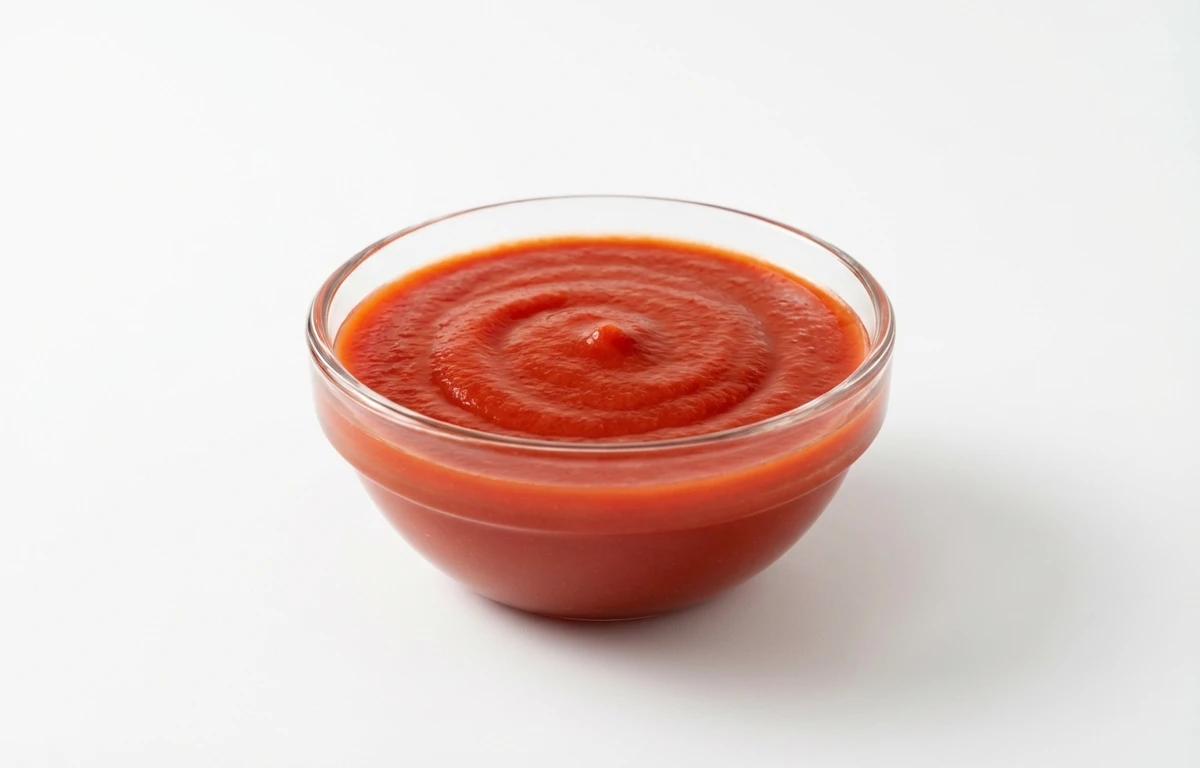
tomato puree.
VegetarianVeganGluten-freeDairy-freeNut-freePeanut-freeSoy-freeEgg-freeShellfish-freeHoney-freeAlcohol-free
ALSO KNOWN AS
tomato passatatomato pureecanned unsalted tomato puree
SERVING
CALORIES
38
PROTEIN
1.6g
CARBS
8.9g
FAT
0.21g
FIBER
1.9g
NUTRITION PROFILE · per 100 g
Everything in this ingredient.
MACRONUTRIENTS
Calories38kcal—
Protein1.6g3%
Carbohydrates8.9g3%
Fiber1.9g7%
Sugar4.8g10%
Total fat0.21g0%
Saturated fat0.03g0%
Trans fat0g—
Cholesterol0mg0%
Water88.3g—
MINERALS
Sodium15mg1%
Potassium439mg9%
Calcium14mg1%
Iron1.1mg6%
Magnesium18mg4%
Phosphorus34mg3%
Zinc0.22mg2%
Copper0.14mg16%
Manganese0.11mg5%
Selenium0.40µg1%
VITAMINS
Vitamin A27µg3%
Vitamin C11.4mg13%
Vitamin D0µg0%
Vitamin E1.4mg10%
Vitamin K2.8µg2%
Thiamin (B1)0.05mg4%
Riboflavin (B2)0.04mg3%
Niacin (B3)0.90mg6%
Pantothenic acid (B5)0.20mg4%
Vitamin B60.15mg9%
Folate (B9)10µg3%
Vitamin B120µg0%
%DV based on a 2,000 cal diet. Source: USDA FoodData Central. A dash in the %DV column means there’s no established Daily Value for that nutrient.
MEASUREMENT CONVERSIONS
How much is what.
1 cup247.2g
1 tablespoon15.5g
1 teaspoon5.2g
1 ml1g
1 liter1030g
HEALTH BENEFITS
Why eat it.
- ✓Rich in lycopene, a powerful antioxidant linked to reduced risk of certain cancers and heart disease.
- ✓Good source of Vitamin C, which supports immune function and collagen production for healthy skin.
- ✓Contains potassium, an essential mineral for maintaining healthy blood pressure and fluid balance.
- ✓Provides Vitamin A, which is crucial for vision health and immune system support.
COOKING TIPS
In the kitchen.
- 1Use as a thick, smooth base for soups, stews, chilis, and sauces like marinara or barbecue sauce.
- 2Sauté the puree with aromatics like garlic and onions for a few minutes to cook out any raw taste and deepen its flavor.
- 3Thin with water, broth, or wine to create a lighter tomato sauce, or combine with tomato paste for a more concentrated flavor.
- 4Add a pinch of sugar or a small amount of a sweet vegetable like carrot to balance the natural acidity of the tomatoes.
STORAGE
Keep it fresh.
- Store unopened cans or jars in a cool, dark place like a pantry for up to 18 months.
- Once opened, transfer leftover puree to an airtight glass or plastic container and refrigerate for 5-7 days.
- For longer storage, freeze opened puree in ice cube trays and transfer the cubes to a freezer-safe bag for up to 3 months.
FAQ
Frequently asked questions.
Is tomato puree healthy?
Yes, tomato puree is very healthy as it is a concentrated source of lycopene, a powerful antioxidant linked to heart health and cancer prevention. It is also low in calories and fat while providing essential vitamins A and C.
How many calories and carbs are in tomato puree?
Per 100g, tomato puree contains approximately 38 calories and 8.91g of carbohydrates. It also provides about 1.65g of protein and a negligible 0.21g of fat, making it a nutrient-dense, low-calorie ingredient.
Is tomato puree good for weight loss?
Tomato puree is excellent for weight loss because it adds significant flavor and volume to dishes with very few calories. Its high water and fiber content can help you feel full without adding the fats found in cream-based sauces.
Is tomato puree vegan and gluten-free?
Standard tomato puree is naturally both vegan and gluten-free as it is made entirely from processed tomatoes. However, always check the label of store-bought brands to ensure no thickeners or flavorings containing gluten or animal products have been added.
Is tomato puree keto-friendly?
Tomato puree can be used in moderation on a keto diet, containing about 8.9g of carbs per 100g. While it does contain natural sugars, the small amounts typically used in recipes generally fit within daily carb limits.
What is the difference between tomato puree and tomato paste?
Tomato puree has a consistency between tomato sauce and tomato paste; it is liquid but thick. Tomato paste is much more concentrated and thick because it has been cooked down longer to remove almost all water content.
How do you use tomato puree in cooking?
Tomato puree is commonly used as a base for pasta sauces, pizza sauce, and soups. It is also an excellent addition to stews, curries, and chilis to provide a smooth texture and a rich, savory tomato flavor.
Can I substitute tomato puree with fresh tomatoes?
Yes, you can substitute by blending fresh tomatoes and simmering them until the mixture thickens to a sauce-like consistency. You may need to strain out the seeds and skins to achieve the smooth texture of commercial puree.
How long does tomato puree last once opened?
Once opened, tomato puree should be refrigerated in an airtight container and used within 5 to 7 days. If you cannot use it all in that time, it is best to freeze the remainder to prevent mold growth.
Can I freeze tomato puree?
Yes, tomato puree freezes exceptionally well. A helpful tip is to freeze it in ice cube trays, then transfer the frozen cubes to a bag; this allows you to defrost exactly the amount you need for future recipes.
RECIPES
Cook with tomato puree.
7 recipes · sorted by what’s quick



















