
Grain
triticale.
VegetarianVeganGluten-freeDairy-freeNut-freePeanut-freeSoy-freeEgg-freeShellfish-freeHoney-freeAlcohol-freeHalalKosherWhole grain
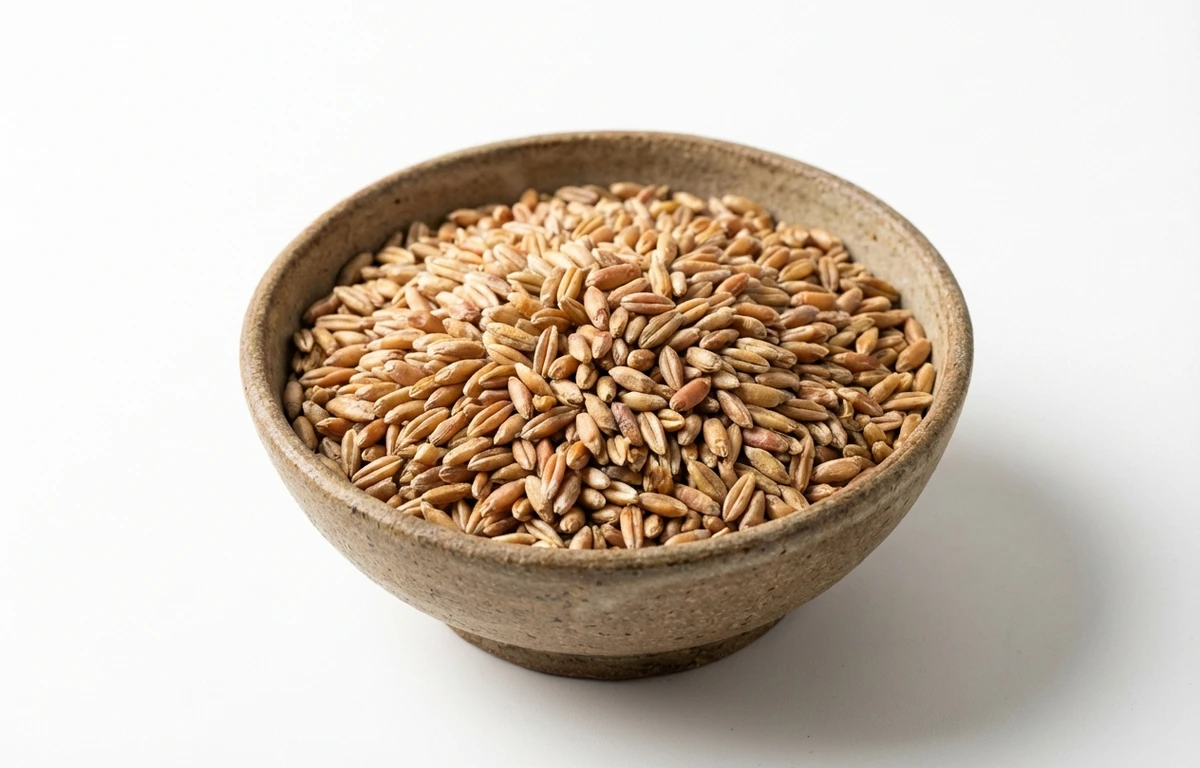
SERVING
CALORIES
336
PROTEIN
12.8g
CARBS
72.1g
FAT
1.8g
FIBER
14.6g
NUTRITION PROFILE · per 100 g
Everything in this ingredient.
MACRONUTRIENTS
Calories336kcal—
Protein12.8g26%
Carbohydrates72.1g26%
Fiber14.6g52%
Sugar0.90g2%
Total fat1.8g2%
Saturated fat0.30g2%
Trans fat0g—
Cholesterol0mg0%
Water10.5g—
MINERALS
Sodium5.0mg0%
Potassium332mg7%
Calcium37mg3%
Iron2.6mg14%
Magnesium130mg31%
Phosphorus358mg29%
Zinc3.4mg31%
Copper0.45mg50%
Manganese3.2mg139%
Selenium34.3µg62%
VITAMINS
Vitamin A0µg0%
Vitamin C0mg0%
Vitamin D0µg0%
Vitamin E0.90mg6%
Vitamin K1.9µg2%
Thiamin (B1)0.40mg33%
Riboflavin (B2)0.10mg8%
Niacin (B3)1.4mg9%
Pantothenic acid (B5)1.3mg26%
Vitamin B60.40mg24%
Folate (B9)73µg18%
Vitamin B120µg0%
%DV based on a 2,000 cal diet. Source: USDA FoodData Central. A dash in the %DV column means there’s no established Daily Value for that nutrient.
MEASUREMENT CONVERSIONS
How much is what.
1 cup192g
1 tablespoon12g
1 teaspoon4g
1 ml0.8g
1 liter800g
HEALTH BENEFITS
Why eat it.
- ✓High in dietary fiber, which aids digestion, promotes satiety, and helps regulate blood sugar levels.
- ✓Rich source of essential minerals like manganese, selenium, and phosphorus, supporting bone health, metabolism, and antioxidant defense.
- ✓Provides a higher protein content than many other grains, contributing to muscle repair and maintenance.
- ✓Contains plant compounds like phenolic acids and lignans, which may have antioxidant and anti-inflammatory properties.
COOKING TIPS
In the kitchen.
- 1To cook whole triticale berries, use a ratio of 1 part grain to 3 parts liquid (water or broth). Bring to a boil, then simmer covered for 45-60 minutes until tender and chewy.
- 2Soaking the berries overnight can reduce the cooking time by 15-20 minutes.
- 3Triticale flour has a lower gluten content than wheat flour. When baking yeast breads, substitute up to 50% of the all-purpose or bread flour with triticale flour for a denser, flavorful result.
- 4Use cooked triticale berries as a base for grain salads, add them to soups and stews, or serve as a side dish similar to rice or barley.
STORAGE
Keep it fresh.
- Store whole triticale berries in an airtight container in a cool, dark, and dry place for up to 6 months.
- For longer-term storage (up to a year), place the airtight container in the freezer to prevent the natural oils in the germ from becoming rancid.
- Triticale flour should be stored in the refrigerator or freezer to maintain freshness, as it is more perishable than refined flours.
FAQ
Frequently asked questions.
What is triticale?
Triticale is a hybrid grain developed by crossing wheat and rye. It was created to combine the high yield and grain quality of wheat with the environmental hardiness and nutritional profile of rye.
Is triticale healthy?
Yes, triticale is very healthy. It is high in dietary fiber for digestion, rich in essential minerals like manganese and phosphorus for bone health, and contains plant compounds with antioxidant and anti-inflammatory properties.
How much protein is in triticale?
Triticale is a high-protein grain, providing approximately 12.8 grams of protein per 100 grams. This is generally higher than the protein content found in many other common grains, making it excellent for muscle maintenance.
Is triticale gluten-free?
No, triticale is not gluten-free. Because it is a cross between wheat and rye—both of which contain gluten—it is not safe for individuals with celiac disease or non-celiac gluten sensitivity.
Is triticale good for weight loss?
Triticale can be beneficial for weight loss due to its high fiber content. Fiber promotes a feeling of fullness and satiety, which can help reduce overall calorie intake and regulate blood sugar levels.
How do you cook triticale berries?
To cook whole triticale berries, it is best to soak them overnight first. Simmer one part grain in three parts water or broth for 45 to 60 minutes until they reach a tender, chewy consistency, then drain any excess liquid.
What does triticale taste like?
Triticale has a unique flavor that combines the mild, nutty sweetness of wheat with the earthy, slightly spicy notes of rye. It has a hearty, chewy texture when served as a whole grain.
Can I use triticale flour as a substitute for wheat flour?
Yes, but with adjustments. Triticale flour has less gluten strength than bread wheat, so it is best used for quick breads and muffins, or blended with all-purpose flour for yeast-based recipes to ensure a proper rise.
Is triticale vegan and keto-friendly?
Triticale is 100% vegan as it is a plant-based grain. However, it is not keto-friendly because it is high in carbohydrates, containing about 72.1 grams of carbs per 100 grams.
How should I store triticale?
Store triticale berries or flour in an airtight container in a cool, dry, and dark place. Whole berries can last up to a year, while the flour should be used within 3 to 6 months or kept in the freezer to maintain freshness.



















