
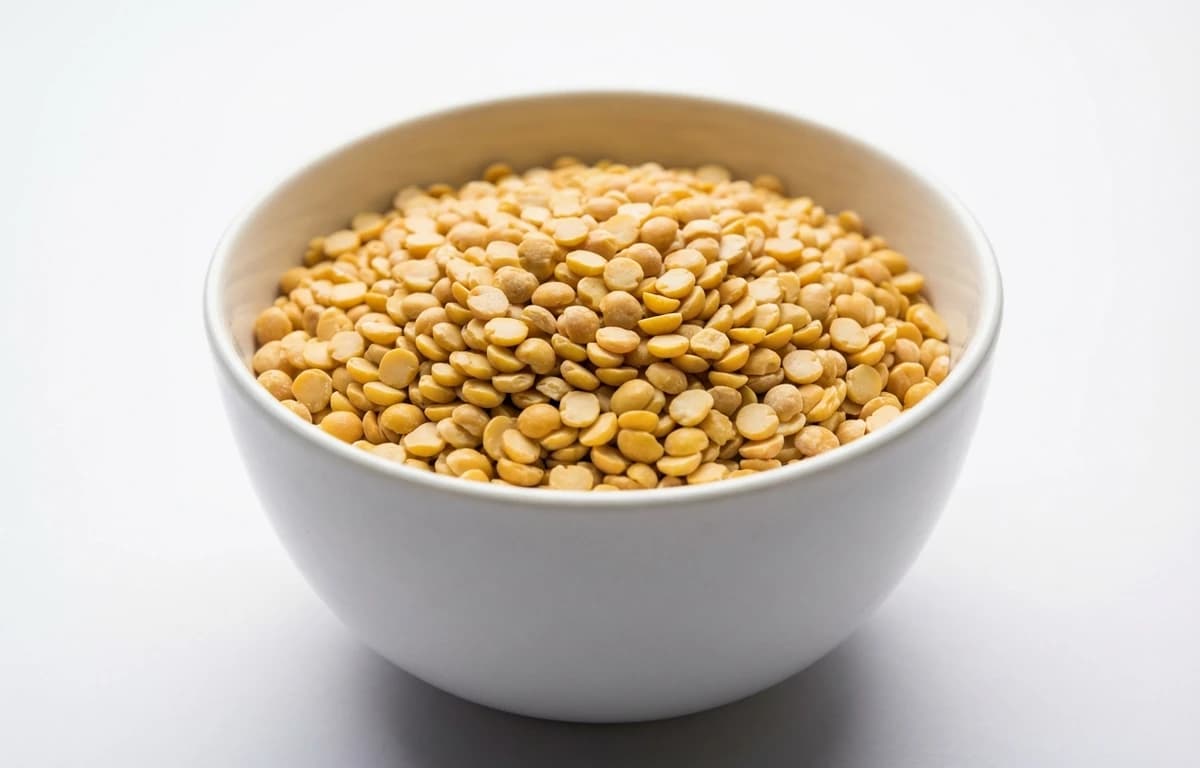
tuvar dal
Also known as:
Loading...
Also known as:
Per 100g
Nutrition data source: USDA FoodData Central
Yes, tuvar dal is highly nutritious. It is a rich source of plant-based protein, dietary fiber, and essential minerals like iron and magnesium, which support heart health, muscle repair, and efficient digestion.
Tuvar dal is an excellent protein source, providing approximately 21.7g of protein per 100g of dry lentils. This makes it a staple for muscle building and repair, especially in vegetarian and vegan diets.
Yes, its high fiber content promotes satiety, helping you feel full for longer and reducing overall calorie intake. Additionally, it has a low glycemic index, which helps regulate blood sugar levels and prevents energy crashes.
Yes, tuvar dal is naturally gluten-free and 100% vegan. It is a safe and nutritious choice for individuals with celiac disease, gluten sensitivities, or those following a plant-based lifestyle.
No, tuvar dal is generally not considered keto-friendly because it contains about 62.78g of carbohydrates per 100g. While it is a healthy complex carb, it usually exceeds the daily carbohydrate limits for a strict ketogenic diet.
To cook tuvar dal, rinse it thoroughly and boil it in a 1:3 ratio of dal to water. It is most commonly prepared in a pressure cooker for 3-4 whistles or simmered on a stovetop for 30-40 minutes until the grains are soft and easily mashed.
While not strictly necessary, soaking tuvar dal for 30-60 minutes reduces cooking time and improves digestibility. Soaking also helps neutralize anti-nutrients like phytic acid, making the minerals easier for your body to absorb.
tuvar dal is a versatile ingredient found in cuisines around the world. With 343 calories per 100g and 21.7 grams of protein, it's a nutritious addition to many dishes.
Explore more ingredients in the legume category with complete nutrition information.
View all legume →Red lentils (masoor dal) or yellow moong dal are the best substitutes as they have a similar texture when cooked. However, tuvar dal has a distinct nutty flavor and thicker consistency that is traditional for dishes like Sambar.
Store dry tuvar dal in an airtight container in a cool, dry, and dark place to prevent moisture and pests. When stored properly, it can last for up to 12 months, though older dal may require longer cooking times.
Yes, it is an excellent source of folic acid (folate), which is crucial for fetal cell growth and preventing neural tube defects. It also provides essential iron to help support the increased blood volume required during pregnancy.