
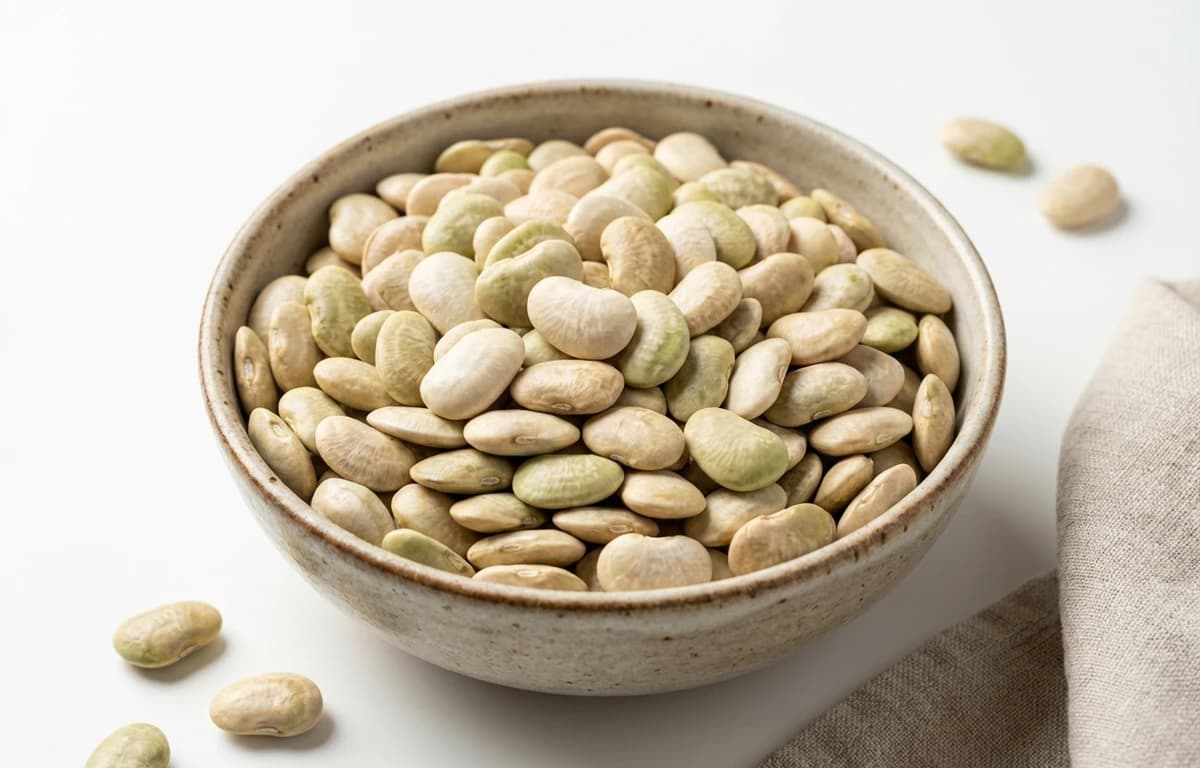
tuver lilva
Also known as:
Loading...
Also known as:
Per 100g
Nutrition data source: USDA FoodData Central
Yes, tuver lilva is highly nutritious. It is rich in plant-based protein, dietary fiber, and essential minerals like potassium and iron, which support heart health, digestion, and blood pressure regulation.
A 100g serving of tuver lilva contains approximately 117 calories and 7.2g of protein. It also provides about 21.5g of carbohydrates and is very low in fat, containing only 0.6g per serving.
Yes, it can be beneficial for weight management. Its high fiber and protein content promote satiety, helping you feel full for longer periods, which can reduce overall calorie intake throughout the day.
Yes, tuver lilva is naturally vegan and gluten-free. It is an excellent plant-based protein source for those following a vegan diet or individuals with gluten sensitivities and celiac disease.
Tuver lilva is generally not considered keto-friendly. With 21.5g of carbohydrates per 100g, it is relatively high in carbs for a strict ketogenic diet, though these are healthy complex carbohydrates.
Tuver lilva is typically boiled or pressure-cooked until tender. It is commonly used in Indian cuisine to make curries (lilva shaak), stuffed into kachoris, or added to rice dishes like pulao and khichdi.
Tuver lilva has a mild, nutty, and slightly sweet flavor with a creamy texture when cooked. It tastes fresher and less earthy than its dried counterpart (toor dal), similar to a heartier version of a green pea.
tuver lilva is a versatile ingredient found in cuisines around the world. With 117 calories per 100g and 7.2 grams of protein, it's a nutritious addition to many dishes.
Explore more ingredients in the legume category with complete nutrition information.
View all legume →Discover 0 recipes featuring tuver lilva with step-by-step instructions.
Browse recipes →While you can substitute them, the texture and flavor will differ. Dried pigeon peas (toor dal) require soaking and longer cooking times, resulting in a starchier dish, whereas tuver lilva provides a fresh, tender bite.
Fresh pods should be stored in the refrigerator for 3-5 days. Once shelled, the seeds can be kept in an airtight container in the fridge for 2-3 days or blanched and frozen for up to 6 months.
Yes, it is an excellent food for pregnancy as it is a good source of folate (Vitamin B9). Folate is essential for DNA synthesis and cell growth, and it helps prevent neural tube defects in the developing fetus.