Condiment
tzatziki sauce.
VegetarianVeganGluten-freeDairy-freeNut-freePeanut-freeSoy-freeEgg-freeShellfish-freeHoney-freeAlcohol-freeFermented
ALSO KNOWN AS
tzatzikicucumber yogurt sauce
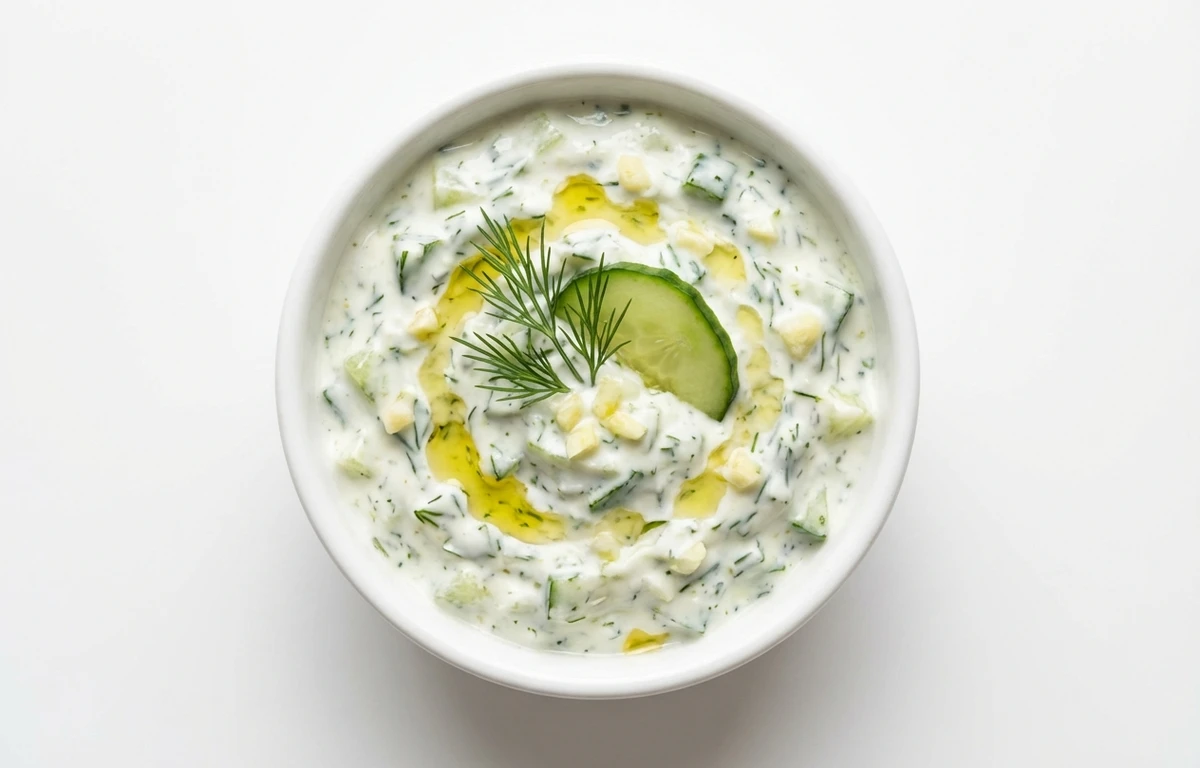
SERVING
CALORIES
100
PROTEIN
5.0g
CARBS
6.0g
FAT
7.0g
FIBER
1.5g
NUTRITION PROFILE · per 100 g
Everything in this ingredient.
MACRONUTRIENTS
Calories100kcal—
Protein5.0g10%
Carbohydrates6.0g2%
Fiber1.5g5%
Sugar4.0g8%
Total fat7.0g9%
Saturated fat4.0g20%
Trans fat0g—
Cholesterol20mg7%
Water82g—
MINERALS
Sodium250mg11%
Potassium200mg4%
Calcium120mg9%
Iron0.30mg2%
Magnesium12mg3%
Phosphorus36mg3%
Zinc0.12mg1%
Copper0.02mg2%
Manganese0.02mg1%
Selenium1.1µg2%
VITAMINS
Vitamin A75µg8%
Vitamin C3.0mg3%
Vitamin D0.10µg1%
Vitamin E0.08mg1%
Vitamin K1.3µg1%
Thiamin (B1)0.02mg2%
Riboflavin (B2)0.06mg5%
Niacin (B3)0.12mg1%
Pantothenic acid (B5)0.14mg3%
Vitamin B60.02mg1%
Folate (B9)6.0µg2%
Vitamin B120.06µg3%
%DV based on a 2,000 cal diet. Source: USDA FoodData Central. A dash in the %DV column means there’s no established Daily Value for that nutrient.
MEASUREMENT CONVERSIONS
How much is what.
1 cup247.2g
1 tablespoon15.5g
1 teaspoon5.2g
1 ml1g
1 liter1030g
1 piece50g
HEALTH BENEFITS
Why eat it.
- ✓Rich in probiotics from yogurt, which supports gut health and digestion.
- ✓High in protein, primarily from Greek yogurt, promoting satiety and muscle maintenance.
- ✓Contains beneficial compounds from garlic and olive oil, which have anti-inflammatory and heart-health properties.
- ✓Provides hydration and some vitamins (like Vitamin K and C) from cucumber.
COOKING TIPS
In the kitchen.
- 1For the thickest consistency, use full-fat Greek yogurt and thoroughly salt, drain, and squeeze the grated cucumber to remove excess water before mixing.
- 2Let the prepared sauce rest in the refrigerator for at least 30-60 minutes before serving to allow the flavors to meld and deepen.
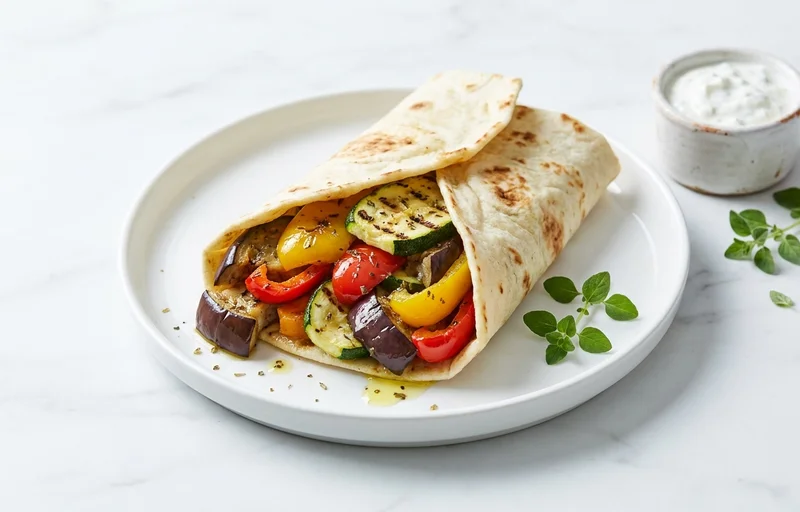
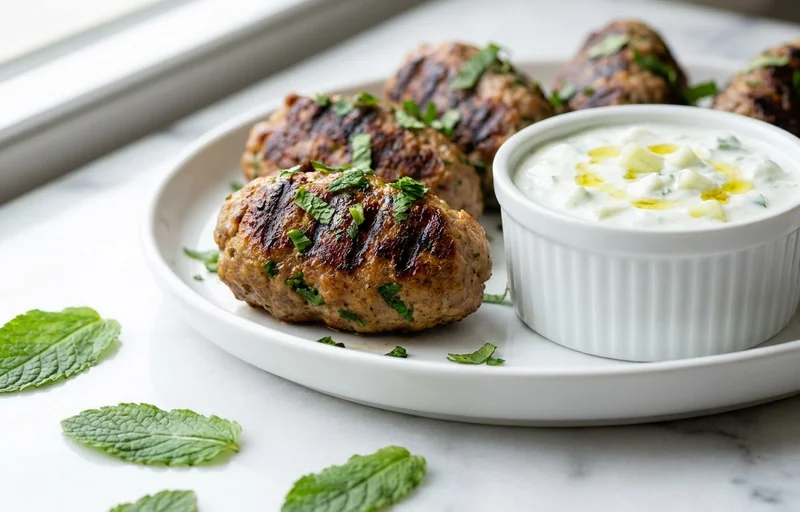
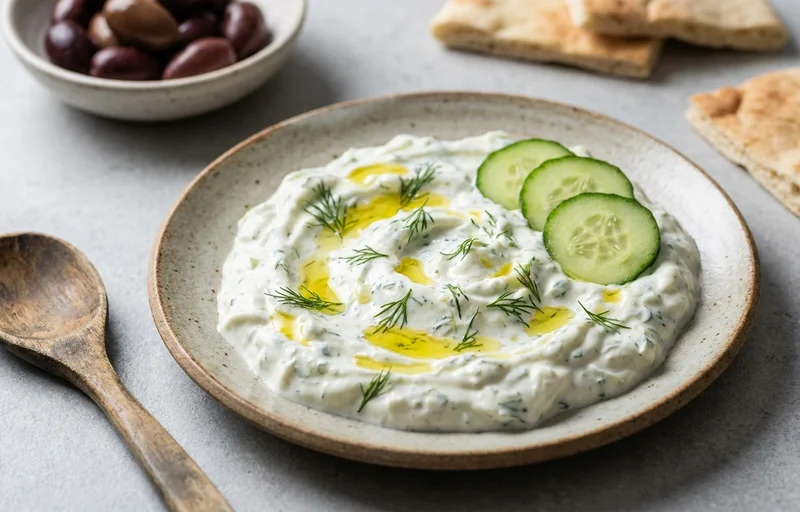
- 3Serve chilled as a dip for pita bread and fresh vegetables, or as a cooling condiment for grilled meats, gyros, falafel, and spicy dishes.
- 4Finely mince or grate the garlic for a smooth texture and potent flavor; for a milder taste, use roasted garlic instead.
STORAGE
Keep it fresh.
- Store in an airtight container in the refrigerator at or below 40°F (4°C) for up to 4 days.
- Do not freeze, as the texture will be compromised; the yogurt and cucumber will separate and become watery upon thawing.
- If liquid separates upon standing, simply stir it back into the sauce before serving.
FAQ
Frequently asked questions.
Is tzatziki sauce healthy?
Yes, tzatziki is a highly nutritious condiment. It is relatively low in calories compared to mayonnaise-based dips and provides a good balance of protein and healthy fats, along with probiotics from the yogurt base.
How much protein and calories are in tzatziki?
A 100g serving of tzatziki contains approximately 100 calories and 5g of protein. It also provides about 6g of carbohydrates and 7g of fat, making it a nutrient-dense addition to meals.
Is tzatziki sauce vegan?
Traditional tzatziki is not vegan as it is made with Greek yogurt, which is a dairy product. However, vegan versions can be prepared using plant-based yogurts made from soy, almonds, or cashews.
Is tzatziki gluten-free?
Yes, the core ingredients of tzatziki—yogurt, cucumber, garlic, olive oil, and herbs—are naturally gluten-free. If buying store-bought versions, always check the label for potential thickeners or cross-contamination.
Is tzatziki keto-friendly?
Tzatziki is generally keto-friendly because it is low in carbohydrates, with only about 6g per 100g serving. Its moderate fat and protein content fits well within a ketogenic or low-carb lifestyle.
What does tzatziki taste like?
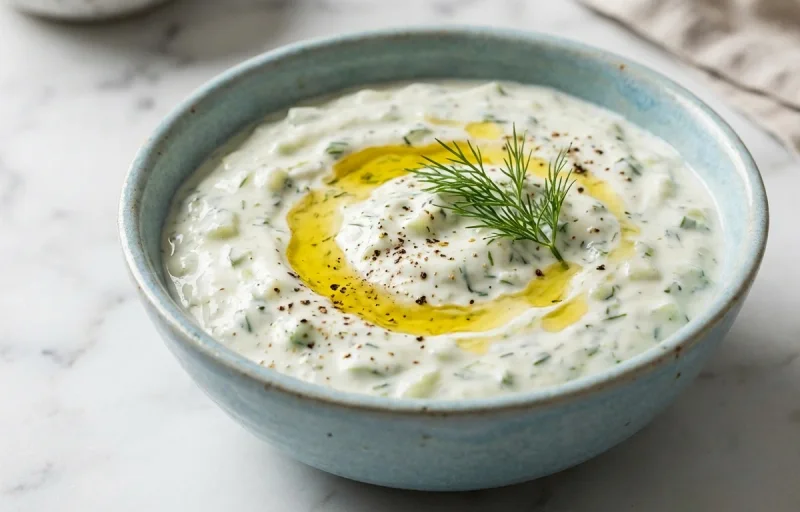
Tzatziki has a cool, refreshing, and tangy flavor. The creaminess of the yogurt is balanced by the crispness of the cucumber, the sharp bite of fresh garlic, and the brightness of lemon juice and herbs like dill or mint.
How should I store tzatziki and how long does it last?
Tzatziki should be kept in an airtight container in the refrigerator. It typically lasts for 3 to 5 days; you may need to stir it before serving as the cucumber can release water over time.
Can I freeze tzatziki sauce?
Freezing is not recommended for tzatziki. The freezing and thawing process ruins the texture of the yogurt, causing it to separate and become grainy, while the cucumbers lose their characteristic crunch.
What are the health benefits of the probiotics in tzatziki?
The Greek yogurt used in tzatziki contains live active cultures (probiotics) that support gut health and improve digestion. These beneficial bacteria help maintain a healthy balance in the microbiome and can boost immune function.
What are the best ways to use tzatziki in cooking?
Tzatziki is traditionally served with grilled meats like gyros and souvlaki. It also works perfectly as a healthy dip for pita bread and raw vegetables, a creamy salad dressing, or a flavorful spread for wraps and sandwiches.
RECIPES
Cook with tzatziki sauce.
0 recipes · sorted by what’s quick