
Loading...
Per 100g
Nutrition data source: USDA FoodData Central
Yes, ular drakshai (raisins) is very healthy as it is rich in antioxidants like polyphenols which protect cells from damage. It is also a great source of dietary fiber for digestion and essential minerals like iron and potassium for heart and bone health.
A 100g serving contains approximately 299 calories and 79.18g of carbohydrates. Because it is a concentrated source of natural sugars, it provides a quick energy boost but should be eaten in moderation.
It can be beneficial in small amounts due to its high fiber content, which helps you feel full longer. However, because it is calorie-dense and high in sugar, overconsumption can hinder weight loss goals.
Yes, ular drakshai is naturally vegan and gluten-free as it is simply dried grapes. It is a safe choice for individuals with celiac disease or those following a plant-based diet.
Diabetics can eat them, but must do so in strict moderation due to the high glycemic load and concentrated sugar content. It is recommended to pair them with nuts or seeds to help stabilize blood sugar levels.
No, it is not keto-friendly. With nearly 80g of carbohydrates per 100g, even a small handful can exceed the daily carb limit for a ketogenic diet.
It is versatile and used in both sweet and savory dishes, such as payasam, cakes, biryanis, and salads. It can also be blended into smoothies or used as a topping for oatmeal and yogurt.
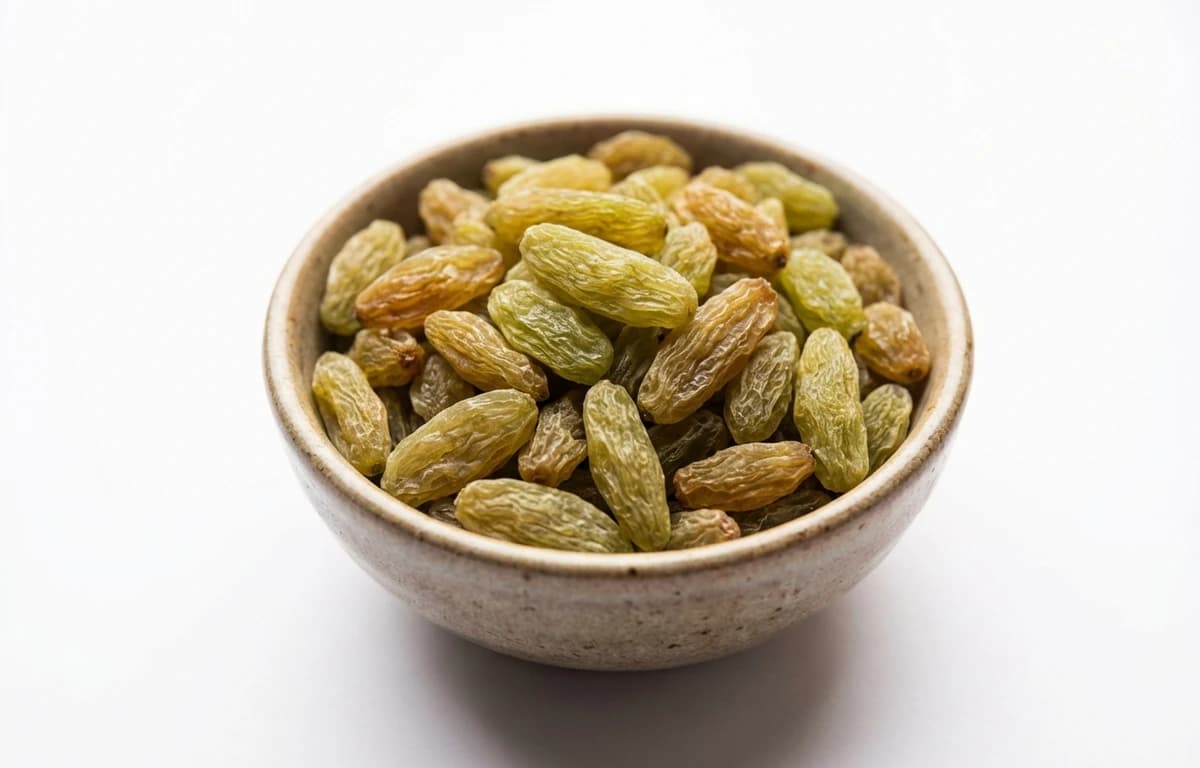
ular drakshai is a versatile ingredient found in cuisines around the world. With 299 calories per 100g and 3.07 grams of protein, it's a nutritious addition to many dishes.
Explore more ingredients in the dried_fruit category with complete nutrition information.
View all dried_fruit →Discover 2 recipes featuring ular drakshai with step-by-step instructions.
Browse recipes →Soaking them overnight in water makes them easier to digest and increases the bioavailability of certain nutrients. Many people consume soaked raisins and the water they were in to help relieve constipation.
Store them in an airtight container in a cool, dry place to keep them from drying out. They typically last for 6 to 12 months, though refrigeration can help maintain freshness and prevent them from becoming too hard.
Check for signs of mold, a sour or fermented smell, or an extremely hard, shriveled texture. While they may develop white sugar crystals on the surface over time (which is safe), any visible fuzzy growth means they should be discarded.