
Oil
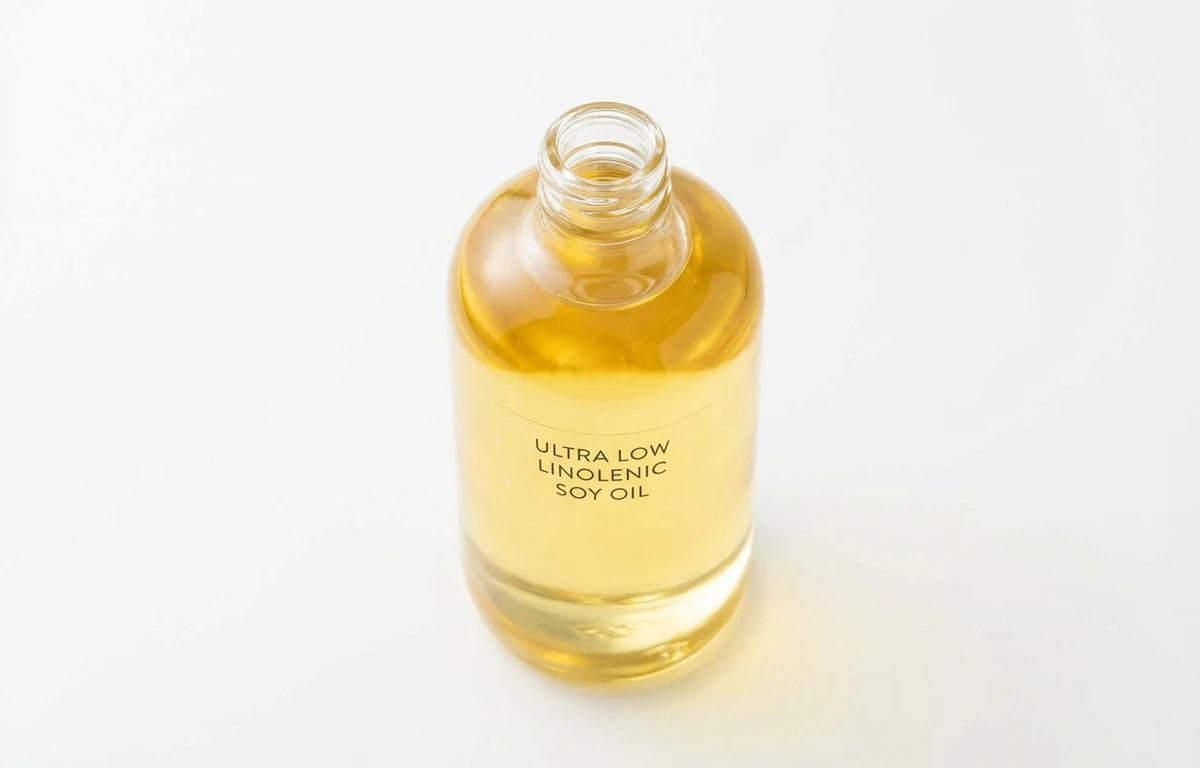
ultra low linolenic soy oil.
VegetarianVeganGluten-freeDairy-freeNut-freePeanut-freeSoy-freeEgg-freeShellfish-freeHoney-freeAlcohol-free
ALSO KNOWN AS
soybean oil
SERVING
CALORIES
884
PROTEIN
0g
CARBS
0g
FAT
100g
FIBER
0g
This ingredient is flagged as naturally gluten-free. Per 100 g, it provides 184 µg of vitamin K.
NUTRITION PROFILE · per 100 g
Everything in this ingredient.
MACRONUTRIENTS
Calories884kcal—
Protein0g0%
Carbohydrates0g0%
Fiber0g0%
Sugar0g0%
Total fat100g128%
Saturated fat14.8g74%
Trans fat0.31g—
Cholesterol0mg0%
Water0g—
MINERALS
Sodium0mg0%
Potassium0mg0%
Calcium0mg0%
Iron0.05mg0%
Magnesium0mg0%
Phosphorus0mg0%
Zinc0.01mg0%
Copper0mg0%
Selenium0µg0%
VITAMINS
Vitamin A0µg0%
Vitamin C0mg0%
Vitamin D0µg0%
Vitamin E8.2mg55%
Vitamin K184µg153%
Thiamin (B1)0mg0%
Riboflavin (B2)0mg0%
Niacin (B3)0mg0%
Vitamin B60mg0%
Folate (B9)0µg0%
Vitamin B120µg0%
%DV based on a 2,000 cal diet. Source: USDA FoodData Central. A dash in the %DV column means there’s no established Daily Value for that nutrient.
MEASUREMENT CONVERSIONS
How much is what.
1 cup218g
1 tablespoon13.6g
1 teaspoon4.5g
1 ml0.9g
1 liter906.7g
HEALTH BENEFITS
Why eat it.
- ✓High oxidative stability, making it excellent for deep-frying and high-heat cooking with less breakdown.
- ✓Reduces the need for partial hydrogenation, thereby avoiding the creation of unhealthy artificial trans fats in processed foods.
- ✓Possesses a very neutral flavor and odor, making it versatile for baking and food manufacturing without imparting unwanted taste.
- ✓Offers a longer shelf life for both the oil and the products made with it due to its resistance to rancidity.
COOKING TIPS
In the kitchen.
- 1Utilize its high smoke point (around 450°F or 232°C) for demanding cooking methods like deep-frying, searing, and stir-frying.
- 2Its neutral flavor profile makes it an ideal base for salad dressings, mayonnaises, and marinades where other ingredient flavors should dominate.
- 3Use as a 1:1 substitute for other vegetable oils in baking recipes for cakes, muffins, and breads to achieve a moist crumb without added flavor.
- 4Due to its stability, it is a preferred choice for commercial food production to ensure product consistency and extend shelf life.
STORAGE
Keep it fresh.
- Store in a cool, dark pantry away from direct sunlight and heat sources like the stove to prevent degradation.
- Keep the container tightly sealed after each use to minimize exposure to oxygen, which can cause the oil to go rancid over time.
FAQ
Frequently asked questions.
Is ultra low linolenic soy oil healthy?
This oil is considered a healthier alternative to partially hydrogenated oils because it provides high stability without the need for trans fats. It is low in saturated fat and its resistance to breaking down at high temperatures means fewer harmful compounds are formed during cooking.
How many calories and fat are in ultra low linolenic soy oil?
Like most pure oils, it contains 884 calories and 100g of fat per 100g. It contains no protein, carbohydrates, or fiber, making it a concentrated source of energy that should be used in moderation.
Is ultra low linolenic soy oil keto-friendly?
Yes, it is 100% fat and contains zero carbohydrates, making it perfectly suitable for ketogenic and other low-carb diets. It is often used in keto-friendly commercial snacks due to its stability.
What makes 'ultra low linolenic' different from regular soybean oil?
Standard soybean oil is high in linolenic acid, which can cause it to go rancid quickly or break down under heat. This specific variety is bred to have much lower levels of this acid, resulting in a more stable oil that doesn't require chemical hydrogenation to stay fresh.
Is this oil vegan and gluten-free?
Yes, ultra low linolenic soy oil is naturally vegan and gluten-free. It is a plant-based fat derived entirely from soybeans and contains no animal products or gluten-containing proteins.
What is the best way to use this oil in cooking?
It is ideal for high-heat applications like deep-frying, pan-searing, and sautéing because it does not break down easily. Its neutral profile also makes it excellent for baking and making salad dressings where you don't want a strong oil flavor.
What does ultra low linolenic soy oil taste like?
It has a very neutral flavor and odor. Unlike some oils that have a nutty or grassy taste, this oil is designed to be flavorless, ensuring it doesn't interfere with the intended taste of your ingredients or baked goods.
How should I store this oil and how long does it last?
Store it in a cool, dark place such as a pantry, away from the stove or direct sunlight. Because of its unique composition, it has a longer shelf life than standard vegetable oils and is highly resistant to becoming rancid.
Can I use this oil as a substitute for other fats?
Yes, it can be used as a 1:1 substitute for other liquid vegetable oils or melted butter in most recipes. It is particularly effective as a substitute for shortening or hydrogenated fats in commercial baking to eliminate trans fats.
How do I know if the oil has gone bad?
While it is very stable, you should check for a sharp, soapy, or metallic smell, which indicates rancidity. If the oil becomes excessively cloudy or develops an off-flavor, it is best to discard it.



















