
Loading...
Also known as:
Per 100g
Nutrition data source: USDA FoodData Central
Common measurement equivalents in grams
This flour is a good source of quick energy and essential nutrients like B vitamins, iron, and folic acid due to the enrichment process. However, because it is a refined grain with the bran and germ removed, it contains less fiber than whole wheat flour and should be consumed in moderation as part of a balanced diet.
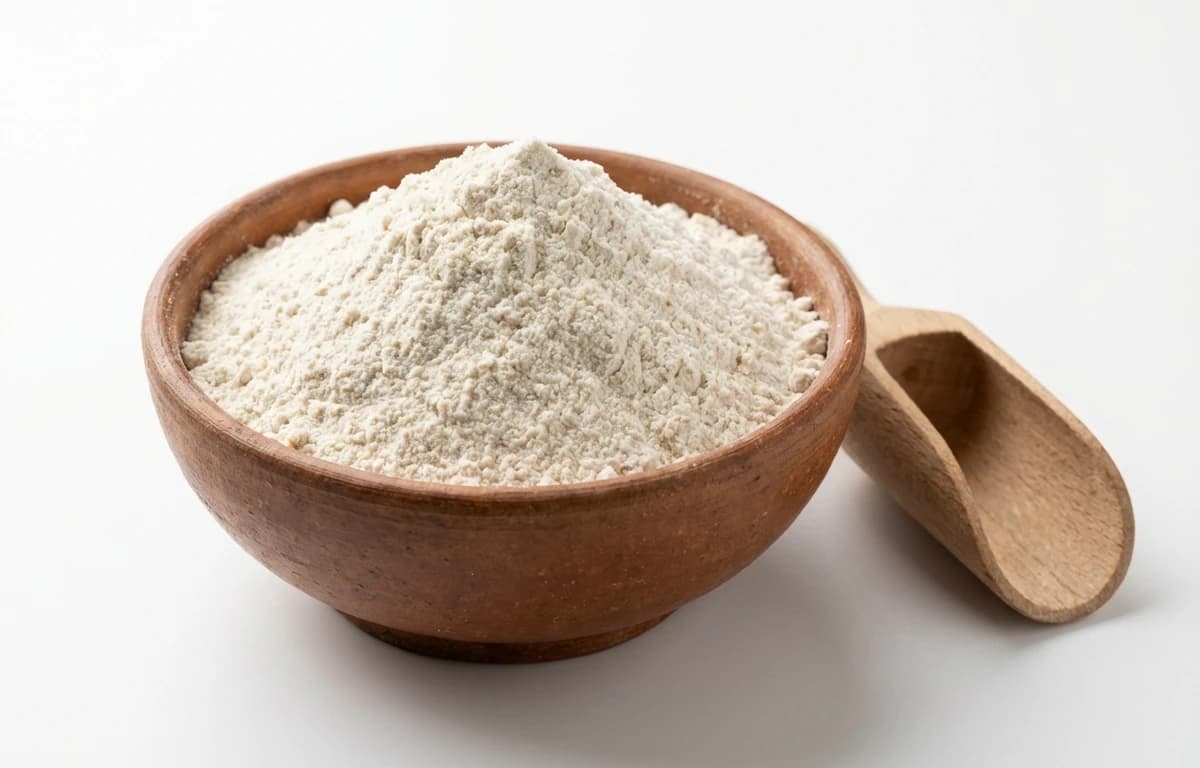
Unbleached flour is aged naturally, resulting in a slightly off-white color and a denser texture, whereas bleached flour is treated with chemicals to whiten it quickly. Unbleached flour is often preferred for yeast breads because its natural structure provides more support for rising.
Per 100g, unbleached all-purpose flour contains approximately 364 calories and 10.33g of protein. This moderate protein level makes it highly versatile for a wide range of baked goods, from cookies to crusty breads.
No, this flour is made from wheat and contains gluten. It is not safe for individuals with celiac disease or those with non-celiac gluten sensitivity.
Yes, this flour is vegan. It is a plant-based product derived entirely from wheat and does not contain any animal-derived ingredients or processing agents.
No, it is not keto-friendly. With approximately 76.31g of carbohydrates per 100g, it is a high-carb ingredient that is generally avoided on ketogenic and low-carb diets.
Enrichment is the process of adding back specific nutrients lost during milling, such as thiamin, riboflavin, niacin, and iron. It is also fortified with folic acid, which is essential for cell growth and preventing neural tube defects during pregnancy.
unbleached enriched all-purpose white wheat flour is a versatile ingredient found in cuisines around the world. With 364 calories per 100g and 10.33 grams of protein, it's a nutritious addition to many dishes.
Explore more ingredients in the grain category with complete nutrition information.
View all grain →Discover 0 recipes featuring unbleached enriched all-purpose white wheat flour with step-by-step instructions.
Browse recipes →Explore more ingredients similar to unbleached enriched all-purpose white wheat flour.
The most-searched ingredients on CraftMyMeals.
Yes, but the results will differ. All-purpose flour will produce a lighter, softer texture and a milder flavor compared to the dense, nutty profile of whole wheat; you may also need to use slightly less liquid as all-purpose flour absorbs less moisture.
Store flour in an airtight container in a cool, dry, and dark place to prevent it from absorbing moisture or odors. For extended shelf life, you can store it in the refrigerator or freezer, but ensure it reaches room temperature before baking.
When stored in a cool, dry pantry, it typically stays fresh for 6 to 8 months. If stored in the freezer, it can last up to 2 years, though you should check for any off-smells or clumping before use.