
Loading...
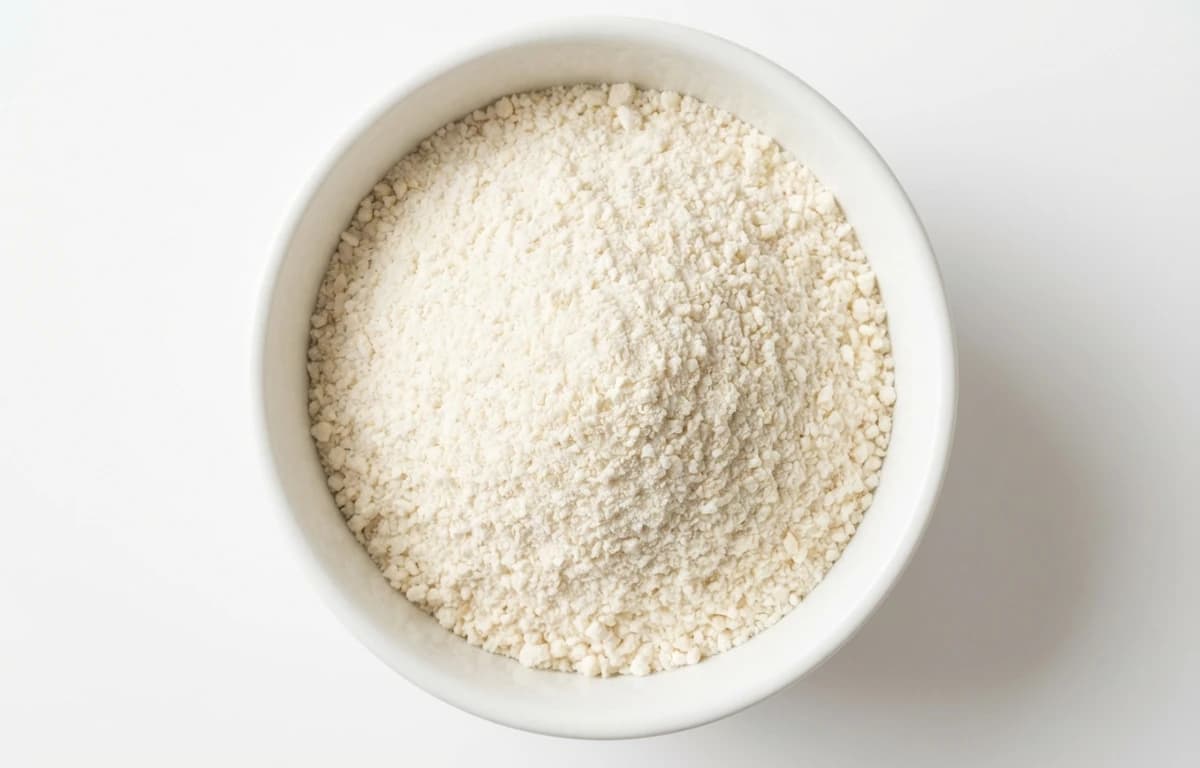
Also known as: white corn flour
Per 100g
Nutrition data source: USDA FoodData Central
Common measurement equivalents in grams
Unenriched white cornmeal is a good source of complex carbohydrates for energy and is naturally low in fat and cholesterol. However, because it is unenriched, it lacks the added B-vitamins and folic acid found in enriched varieties, so it should be consumed as part of a diverse diet.
A 100g serving of unenriched white cornmeal contains approximately 370 calories and 79.45g of carbohydrates. It is a high-energy food primarily composed of starch with about 7.11g of protein.
Yes, white cornmeal is naturally gluten-free as it is made entirely from corn. This makes it a safe and effective carbohydrate source for individuals with celiac disease or gluten sensitivities.
Unenriched means that no vitamins or minerals were added back to the cornmeal after the milling process. While it retains its natural minerals like magnesium and iron, it does not contain the supplemental folic acid or niacin often found in standard commercial cornmeal.
No, it is not keto-friendly. With nearly 80g of carbohydrates per 100g, it is a high-carb grain that would likely exceed the daily carbohydrate limits of a ketogenic diet.
The main difference is the type of corn used; white cornmeal is made from white kernels and has a milder, more delicate flavor. Nutritionally, yellow cornmeal contains more Vitamin A (beta-carotene), whereas white cornmeal contains very little.
It is a staple for making southern-style cornbread, grits, and mush. It can also be used as a breading for fried fish or poultry, or used to dust baking stones to prevent pizza dough from sticking.
unenriched white cornmeal is a versatile ingredient found in cuisines around the world. With 370 calories per 100g and 7.11 grams of protein, it's a nutritious addition to many dishes.
Explore more ingredients in the grain category with complete nutrition information.
View all grain →Discover 0 recipes featuring unenriched white cornmeal with step-by-step instructions.
Browse recipes →Explore more ingredients similar to unenriched white cornmeal.
The most-searched ingredients on CraftMyMeals.
It has a very mild, slightly sweet, and earthy flavor. Because it is less intense than yellow cornmeal, it is often preferred in recipes where you want the other ingredients, like buttermilk or butter, to shine.
Store it in an airtight container in a cool, dry place to prevent moisture from causing clumps. While it can last 6-12 months in a pantry, storing it in the freezer can further extend its shelf life and maintain freshness.
Diabetics can eat it, but they should do so in moderation. Since it is high in complex carbohydrates and relatively low in fiber (if degerminated), it can cause a rise in blood sugar levels, so it is best paired with fiber-rich vegetables and lean proteins.