
Loading...
Also known as: white rice flour
Per 100g
Nutrition data source: USDA FoodData Central
Common measurement equivalents in grams
Unenriched white rice flour is a good source of quick energy and is very easy on the digestive system. However, because it is unenriched and low in fiber, it lacks the added vitamins and minerals found in fortified flours, so it should be balanced with nutrient-dense foods.
Per 100g, unenriched white rice flour contains approximately 366 calories and 80.1g of carbohydrates. It is a high-carb ingredient with a modest protein content of about 5.9g and very little fat.
Yes, white rice flour is naturally gluten-free. This makes it a safe and popular alternative for individuals with celiac disease, gluten intolerance, or those simply looking to avoid wheat-based products.
It is not a direct 1:1 substitute in baking because it lacks gluten, which provides structure. For best results, use it in a gluten-free flour blend or use it for thickening sauces and creating crispy coatings for fried foods.
Unenriched rice flour is the pure ground grain without any additives. Enriched rice flour has had specific nutrients, such as iron, niacin, and thiamine, added back into it after the milling process to replace what was lost.
No, white rice flour is not keto-friendly. It is very high in carbohydrates (80.1g per 100g) and low in fiber, which can cause a significant spike in blood sugar and disrupt ketosis.
White rice flour is excellent for frying because it absorbs less oil than wheat flour. Use it as a light dusting for fish or chicken, or mix it into tempura batter to achieve a very light, airy, and crunchy texture.
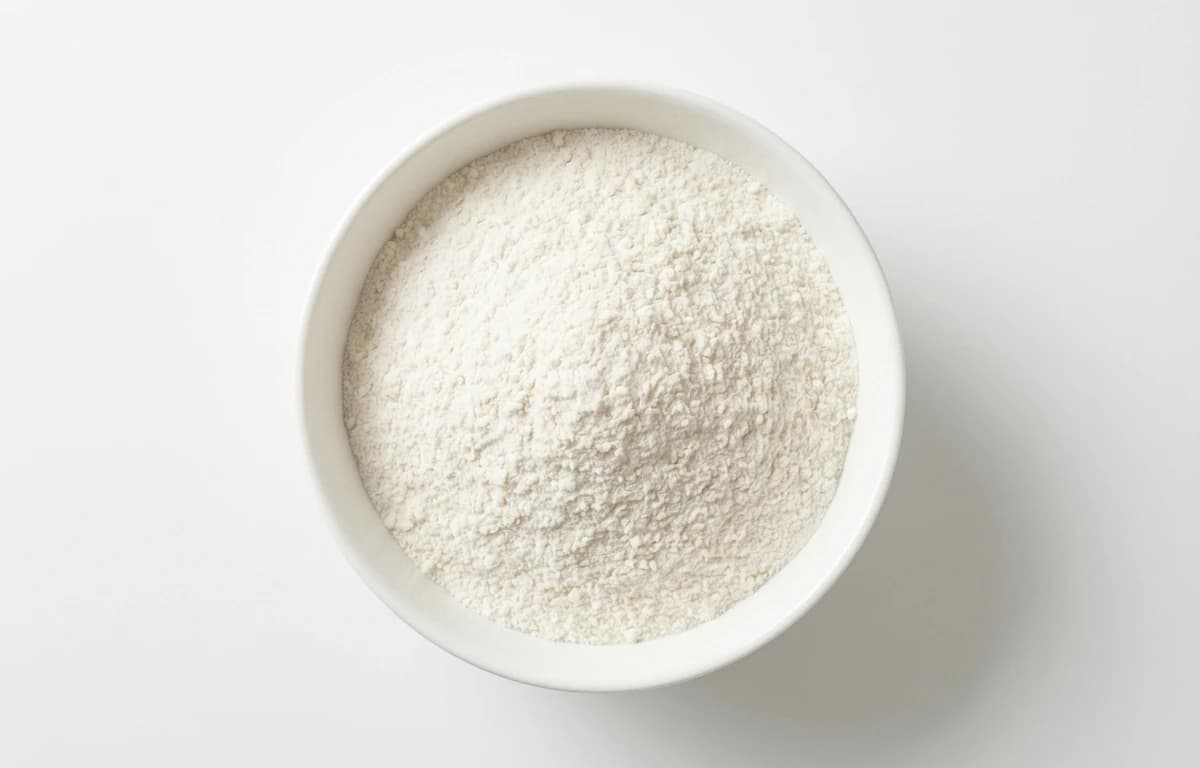
unenriched white rice flour is a versatile ingredient found in cuisines around the world. With 366 calories per 100g and 5.9 grams of protein, it's a nutritious addition to many dishes.
Explore more ingredients in the grain category with complete nutrition information.
View all grain →Discover 0 recipes featuring unenriched white rice flour with step-by-step instructions.
Browse recipes →Explore more ingredients similar to unenriched white rice flour.
The most-searched ingredients on CraftMyMeals.
Yes, it is highly digestible and low in fiber, making it gentle on the gastrointestinal tract. It is often recommended for individuals with sensitive digestive systems or those following a low-residue diet.
Store it in an airtight container in a cool, dry place to prevent it from absorbing moisture or odors. It typically stays fresh for up to 12 months, though you can store it in the fridge or freezer to extend its shelf life further.
It has a very neutral, mild, and slightly sweet flavor. This makes it a versatile ingredient that doesn't compete with other flavors in recipes, whether you are making delicate pastries or savory sauces.