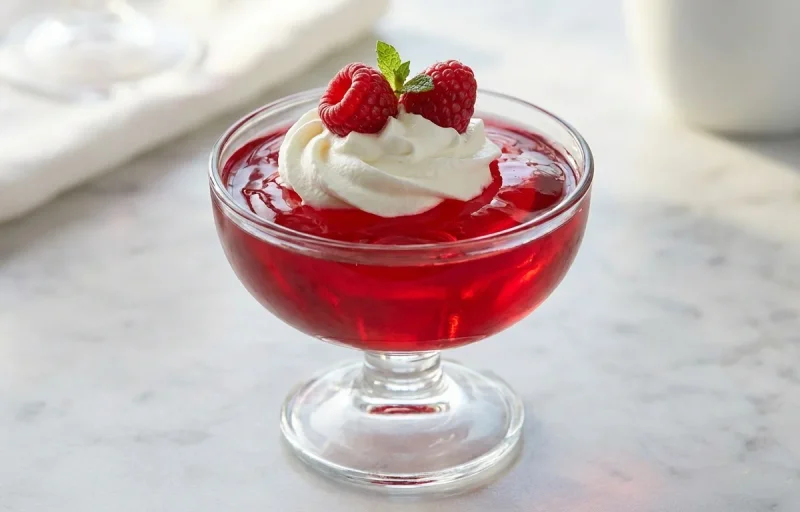
Other3 recipes
unflavored gelatin.
VegetarianVeganGluten-freeDairy-freeNut-freePeanut-freeSoy-freeEgg-freeShellfish-freeHoney-freeAlcohol-free
ALSO KNOWN AS
gelatineunflavored gelatinepowdered gelatingelatin powderunflavored gelatingelatine powderunsweetened gelatin powder
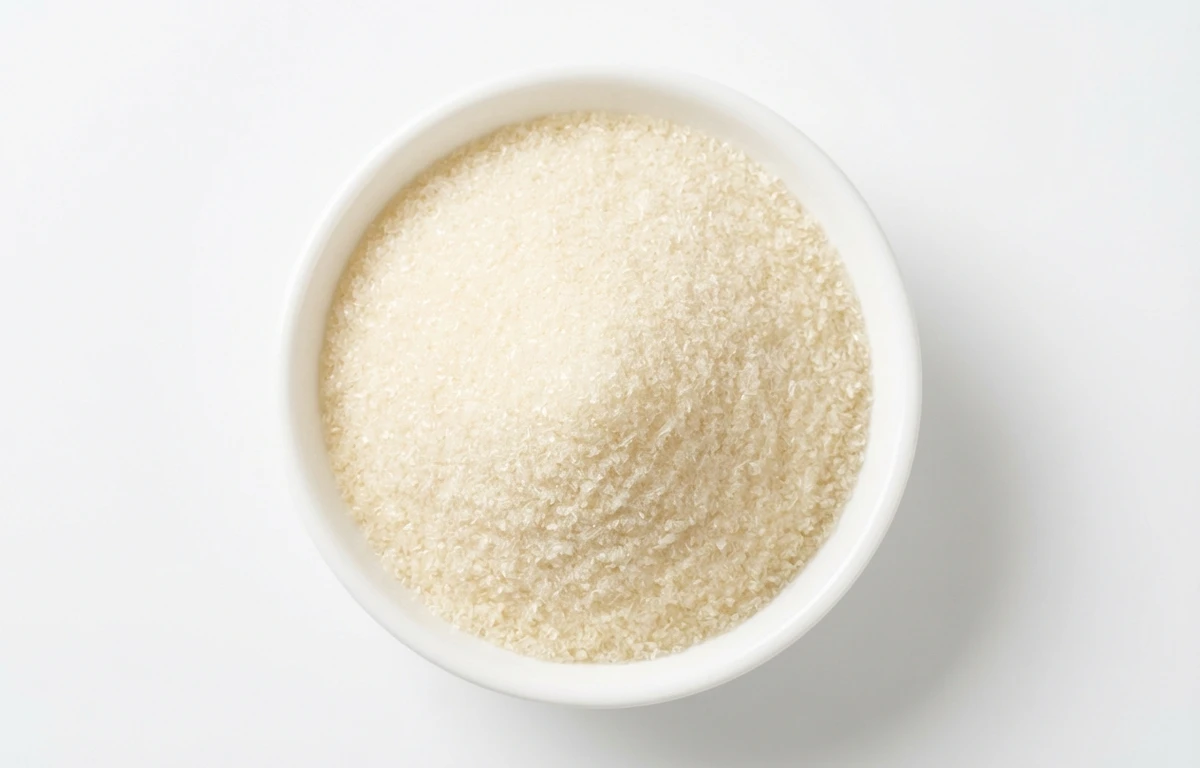
SERVING
CALORIES
335
PROTEIN
86g
CARBS
0g
FAT
0.10g
FIBER
0g
This ingredient is flagged as naturally gluten-free. Per 100 g, it provides 0 µg of vitamin K.
NUTRITION PROFILE · per 100 g
Everything in this ingredient.
MACRONUTRIENTS
Calories335kcal—
Protein86g172%
Carbohydrates0g0%
Fiber0g0%
Sugar0g0%
Total fat0.10g0%
Saturated fat0g0%
Trans fat0g—
Cholesterol0mg0%
Water13g—
MINERALS
Sodium196mg9%
Potassium22mg0%
Calcium55mg4%
Iron1.1mg6%
Magnesium22mg5%
Phosphorus39mg3%
Zinc0.10mg1%
Copper0.03mg3%
Manganese0.10mg4%
Selenium39.5µg72%
VITAMINS
Vitamin A0µg0%
Vitamin C0mg0%
Vitamin D0µg0%
Vitamin E0mg0%
Vitamin K0µg0%
Thiamin (B1)0.01mg1%
Riboflavin (B2)0.23mg18%
Niacin (B3)0.10mg1%
Pantothenic acid (B5)0.05mg1%
Vitamin B60.01mg1%
Folate (B9)30µg8%
Vitamin B120µg0%
%DV based on a 2,000 cal diet. Source: USDA FoodData Central. A dash in the %DV column means there’s no established Daily Value for that nutrient.
MEASUREMENT CONVERSIONS
How much is what.
1 cup160g
1 tablespoon9g
1 teaspoon3g
1 oz28.4g
1 lb453.6g
1 ml0.7g
1 liter680g
1 piece7g
HEALTH BENEFITS
Why eat it.
- ✓High in collagen protein which supports joint health
- ✓May improve skin elasticity and hydration
- ✓Supports gut health and digestion
- ✓Promotes stronger hair and nails
- ✓Contains amino acids like glycine that may improve sleep quality
COOKING TIPS
In the kitchen.
- 1Always 'bloom' gelatin by sprinkling it over cold liquid and letting it sit for 5-10 minutes
- 2Never boil gelatin directly as high heat can destroy its thickening properties
- 3Avoid using with raw pineapple, kiwi, or papaya as their enzymes prevent setting
STORAGE
Keep it fresh.
- Store in a cool, dry place in an airtight container
- Keep away from moisture to prevent clumping or spoilage
- Unopened packets can last indefinitely if kept dry
FAQ
Frequently asked questions.
Is unflavored gelatin vegan or vegetarian?
No, gelatin is derived from animal collagen (usually bovine or porcine) and is not suitable for vegan or vegetarian diets.
What is the best vegan substitute for gelatin?
Agar-agar, derived from seaweed, is the most common plant-based substitute, though it has a firmer, less bouncy texture.
How do I 'bloom' gelatin?
Sprinkle the powder over cold liquid and let it sit for about 5 minutes until it becomes thick and spongy.
Can I freeze gelatin-based desserts?
Freezing is not recommended as it can break the protein bonds, causing the dessert to become syrupy or watery when thawed.
How much gelatin is in one standard packet?
A standard packet usually contains 7 grams (about 1/4 ounce), which is roughly 1 tablespoon of powder.
Why didn't my gelatin set?
Common reasons include boiling the mixture, using too much liquid, or including raw fruits like pineapple which contain proteases.
What is the difference between gelatin powder and sheets?
Powder is measured by weight/volume and bloomed in liquid, while sheets (leaf gelatin) are soaked in water and then squeezed dry before use.
Is gelatin gluten-free?
Pure unflavored gelatin is naturally gluten-free, but always check labels for potential cross-contamination during processing.
How long does dry gelatin last?
If kept dry and airtight, unflavored gelatin can last for several years, though its setting strength may diminish slightly over time.
RECIPES
Cook with unflavored gelatin.
3 recipes · sorted by what’s quick