condiment1 recipes
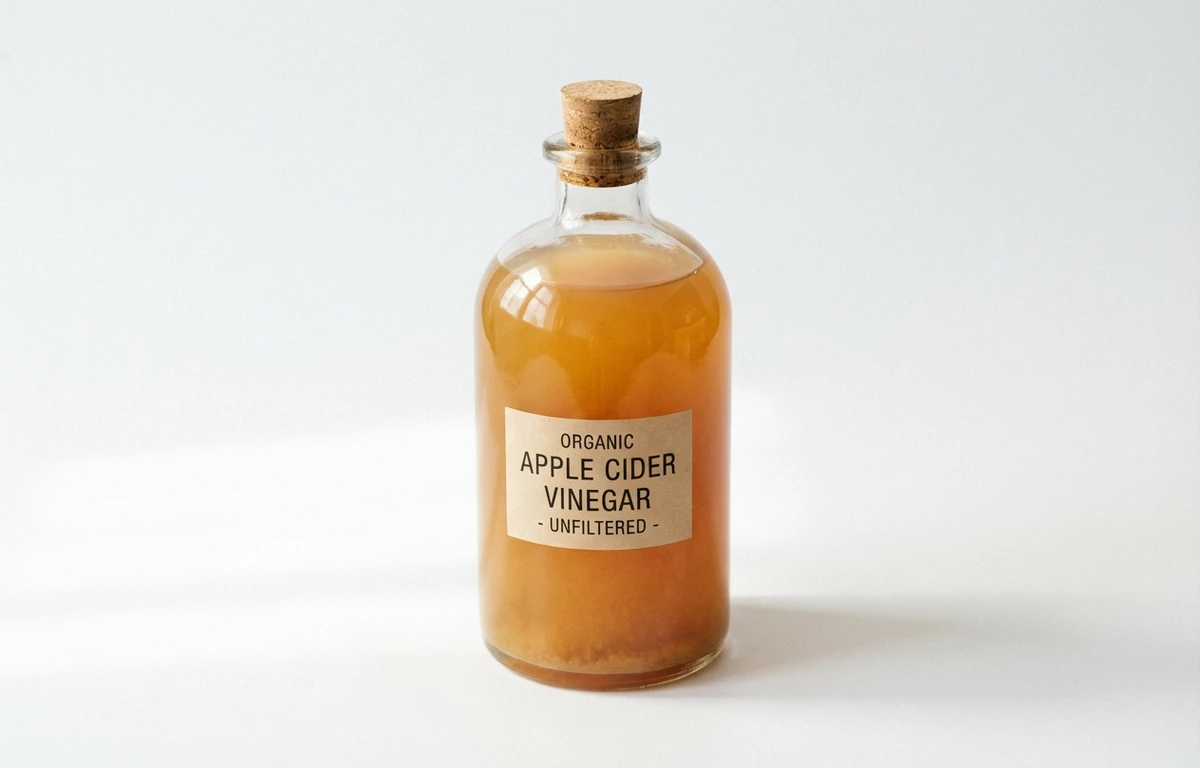
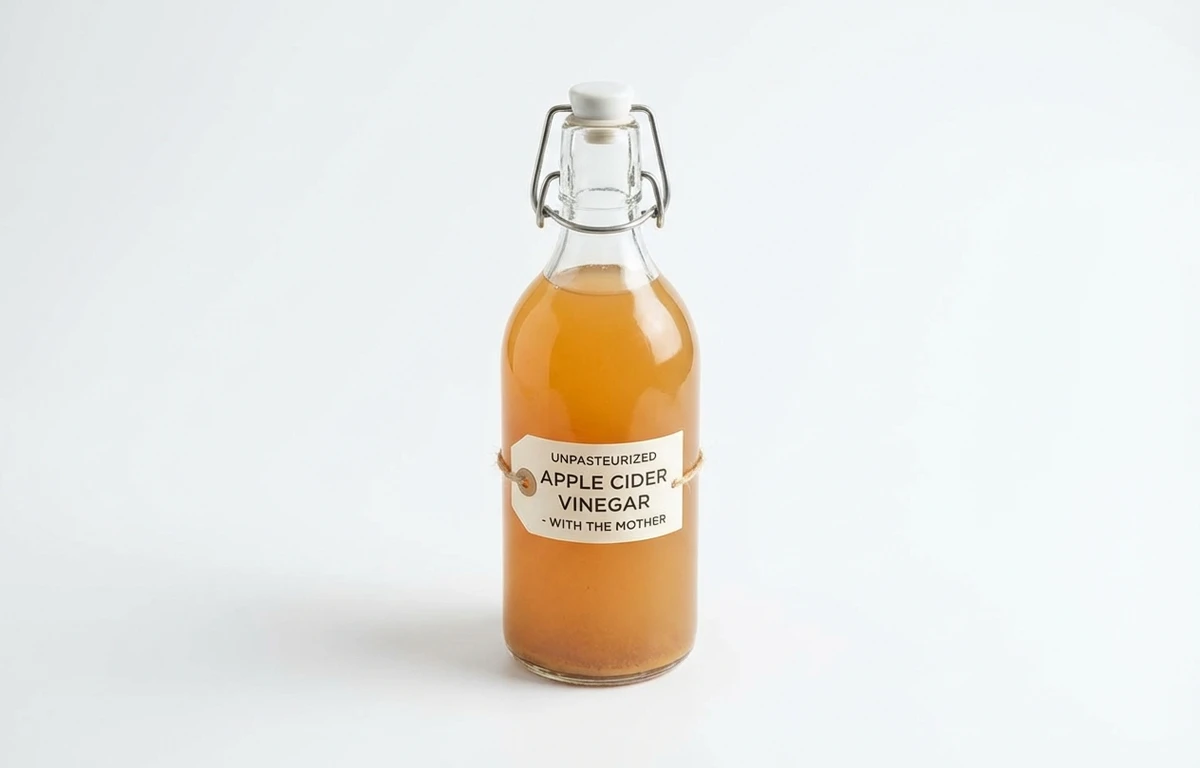
unpasteurized apple cider vinegar.
VegetarianVeganGluten-freeDairy-freeNut-freePeanut-freeSoy-freeEgg-freeShellfish-freeHoney-freeAlcohol-freeFermented
ALSO KNOWN AS
raw apple cider vinegarACV with the mother
SERVING
CALORIES
21
PROTEIN
0g
CARBS
0.93g
FAT
0g
FIBER
0g
NUTRITION PROFILE · per 100 g
Everything in this ingredient.
MACRONUTRIENTS
Calories21kcal—
Protein0g0%
Carbohydrates0.93g0%
Fiber0g0%
Sugar0.40g1%
Total fat0g0%
Saturated fat0g0%
Trans fat0g—
Cholesterol0mg0%
Water93.8g—
MINERALS
Sodium5.0mg0%
Potassium73mg2%
Calcium7.0mg1%
Iron0.20mg1%
Magnesium5.0mg1%
Phosphorus8.0mg1%
Zinc0.04mg0%
Copper0.01mg1%
Manganese0.25mg11%
Selenium0.10µg0%
VITAMINS
Vitamin A0µg0%
Vitamin C0mg0%
Vitamin D0µg0%
Vitamin E0mg0%
Vitamin K0µg0%
Thiamin (B1)0mg0%
Riboflavin (B2)0mg0%
Niacin (B3)0mg0%
Pantothenic acid (B5)0.01mg0%
Vitamin B60.01mg1%
Folate (B9)0µg0%
Vitamin B120µg0%
%DV based on a 2,000 cal diet. Source: USDA FoodData Central. A dash in the %DV column means there’s no established Daily Value for that nutrient.
MEASUREMENT CONVERSIONS
How much is what.
1 cup242.4g
1 tablespoon15.2g
1 teaspoon5.1g
1 oz28.6g
1 lb453.6g
1 ml1g
1 liter1010g
HEALTH BENEFITS
Why eat it.
- ✓May help regulate blood sugar levels after meals
- ✓Contains acetic acid which has antimicrobial properties
- ✓Supports digestive health through beneficial bacteria
- ✓May aid in weight management by increasing satiety
- ✓Can improve skin health when used topically (diluted)
COOKING TIPS
In the kitchen.
- 1Shake the bottle before use to distribute 'the mother'
- 2Use as a base for vinaigrettes and salad dressings
- 3Add a teaspoon to baking recipes to help dough rise
STORAGE
Keep it fresh.
- Store in a cool, dark place away from direct sunlight
- Keep the cap tightly sealed to prevent evaporation
- Does not require refrigeration even after opening
FAQ
Frequently asked questions.
What is 'the mother' in unpasteurized apple cider vinegar?
The mother consists of strands of proteins, enzymes, and friendly bacteria that give the product a murky appearance.
Does unpasteurized apple cider vinegar expire?
Due to its high acidity, it has an almost indefinite shelf life, though it is best used within 2 years for peak quality.
Can I use it as a substitute for white vinegar?
Yes, but it has a fruitier, milder flavor and will add a slight brown tint to light-colored dishes.
Should I drink it straight?
No, it is highly acidic and can damage tooth enamel or the throat; always dilute it with water (1-2 tablespoons per cup).
How do I know if it has gone bad?
It is unlikely to spoil, but if you see mold or notice an off-smell that isn't vinegary, discard it.
Is it safe for pregnant women?
Because it is unpasteurized, some health experts recommend caution; consult a doctor before consuming raw fermented products during pregnancy.
Can it be used for pickling?
Yes, but ensure it has at least 5% acidity for safe food preservation.
Does freezing affect it?
Freezing can kill some of the beneficial bacteria in 'the mother', so it is best stored at room temperature.
What are the best flavor pairings?
It pairs excellently with honey, mustard, olive oil, ginger, and garlic.
RECIPES
Cook with unpasteurized apple cider vinegar.
1 recipes · sorted by what’s quick