
Vegetable
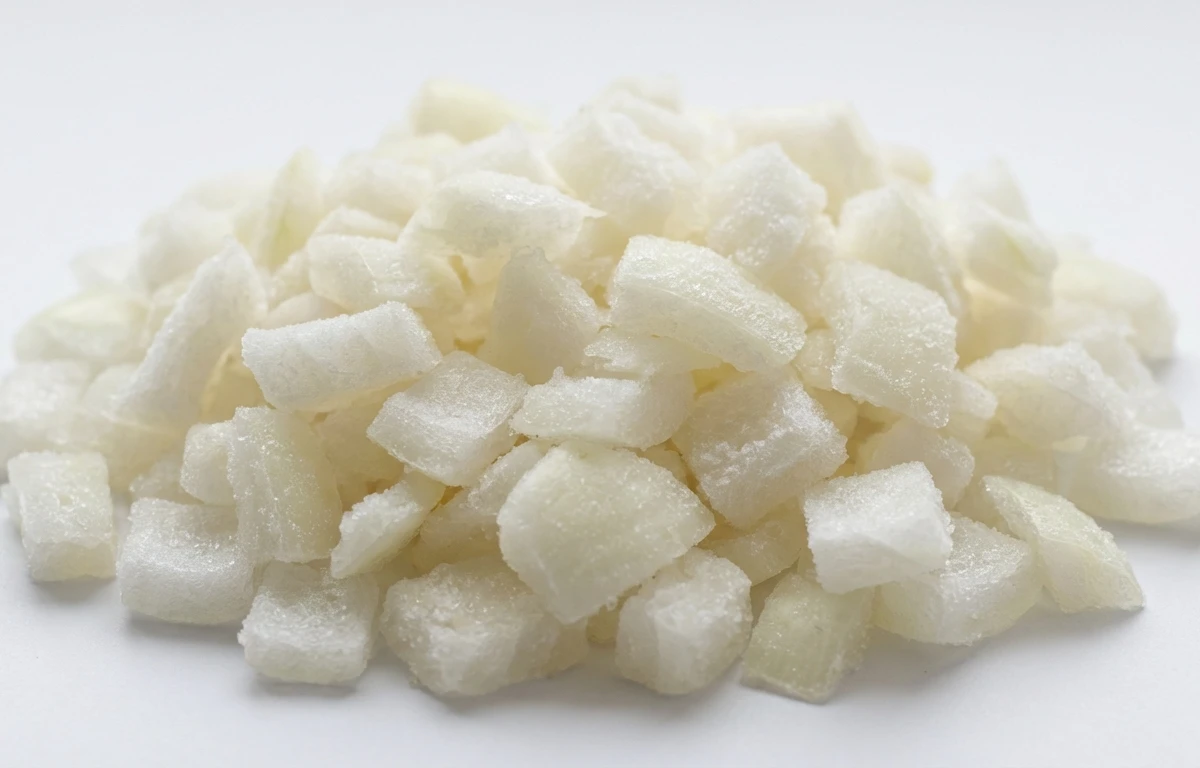
unprepared chopped frozen onion.
VegetarianVeganGluten-freeDairy-freeNut-freePeanut-freeSoy-freeEgg-freeShellfish-freeHoney-freeAlcohol-free
SERVING
CALORIES
32
PROTEIN
1.2g
CARBS
7.5g
FAT
0.08g
FIBER
1.4g
This ingredient is flagged as naturally gluten-free. Per 100 g, it provides 0.40 µg of vitamin K.
NUTRITION PROFILE · per 100 g
Everything in this ingredient.
MACRONUTRIENTS
Calories32kcal—
Protein1.2g2%
Carbohydrates7.5g3%
Fiber1.4g5%
Sugar4.2g8%
Total fat0.08g0%
Saturated fat0.01g0%
Trans fat0g—
Cholesterol0mg0%
Water90.8g—
MINERALS
Sodium10mg0%
Potassium119mg3%
Calcium20mg2%
Iron0.21mg1%
Magnesium9.0mg2%
Phosphorus27mg2%
Zinc0.15mg1%
Copper0.04mg4%
Manganese0.11mg5%
Selenium0.50µg1%
VITAMINS
Vitamin A0µg0%
Vitamin C2.5mg3%
Vitamin D0µg0%
Vitamin E0.02mg0%
Vitamin K0.40µg0%
Thiamin (B1)0.04mg3%
Riboflavin (B2)0.02mg2%
Niacin (B3)0.10mg1%
Pantothenic acid (B5)0.11mg2%
Vitamin B60.11mg6%
Folate (B9)15µg4%
Vitamin B120µg0%
%DV based on a 2,000 cal diet. Source: USDA FoodData Central. A dash in the %DV column means there’s no established Daily Value for that nutrient.
MEASUREMENT CONVERSIONS
How much is what.
1 cup150g
1 tablespoon9.4g
1 teaspoon3.1g
1 oz28.4g
1 lb453.6g
1 ml0.6g
1 liter634g
HEALTH BENEFITS
Why eat it.
- ✓Provides dietary fiber, which aids in digestion and promotes a healthy gut microbiome.
COOKING TIPS
In the kitchen.
- 1No thawing necessary; add directly from the freezer to hot pans for sautés, or into soups, stews, and sauces.
- 2Frozen onions release more water than fresh ones. Cook them a bit longer to allow the excess moisture to evaporate, especially if caramelizing.
- 3Ideal for dishes where a soft texture is desired, such as casseroles, meatballs, or cooked sauces, as freezing breaks down the onion's cell walls.
- 4Use as a convenient time-saver for building a flavor base (like a mirepoix) without the tears and effort of chopping a fresh onion.
STORAGE
Keep it fresh.
- Store in the freezer at or below 0°F (-18°C) in its original, well-sealed packaging or an airtight container to prevent freezer burn.
- For best quality, use within 6-8 months. Do not thaw and refreeze, as this will degrade texture and flavor.
FAQ
Frequently asked questions.
Are frozen onions keto-friendly?
Yes, frozen onions can be included in a keto diet. While they contain about 7.5g of carbs per 100g, they are usually consumed in smaller portions, making the net carb impact relatively low for most low-carb meal plans.
Are frozen onions vegan and gluten-free?
Yes, unprepared frozen onions are naturally vegan and gluten-free. They consist solely of chopped onions with no added animal products or grains, making them safe for those with these dietary restrictions.
Do I need to thaw frozen onions before cooking?
No, you do not need to thaw them. You can add frozen onions directly to hot pans for sautéing, or into soups, stews, and casseroles. Thawing them beforehand often results in a mushy texture due to the moisture released during the process.
Can I use frozen onions in salads or raw dishes?
Frozen onions are best used in cooked dishes. Because the freezing process breaks down the cell walls, they lose the crisp crunch of fresh onions and become soft once thawed, which is generally unappealing in raw salads or salsas.
How long do frozen onions last in the freezer?
When stored properly in an airtight bag or container at 0°F (-18°C), frozen onions will maintain best quality for about 10 to 12 months. They remain safe to eat after that, but may develop freezer burn or lose their characteristic flavor.
How can I tell if frozen onions have gone bad?
Look for signs of severe freezer burn, such as heavy ice crystals or shriveled, discolored patches. If the onions have a dull color, a sour or 'off' odor when thawed, or a slimy texture, they should be discarded.
How do frozen onions compare to fresh onions in terms of taste and texture?
Frozen onions have a similar flavor profile to fresh onions but are much softer in texture once heated. They are ideal for recipes where onions are meant to be softened or caramelized, such as in sauces, soups, and stir-fries.



















