
Dairy
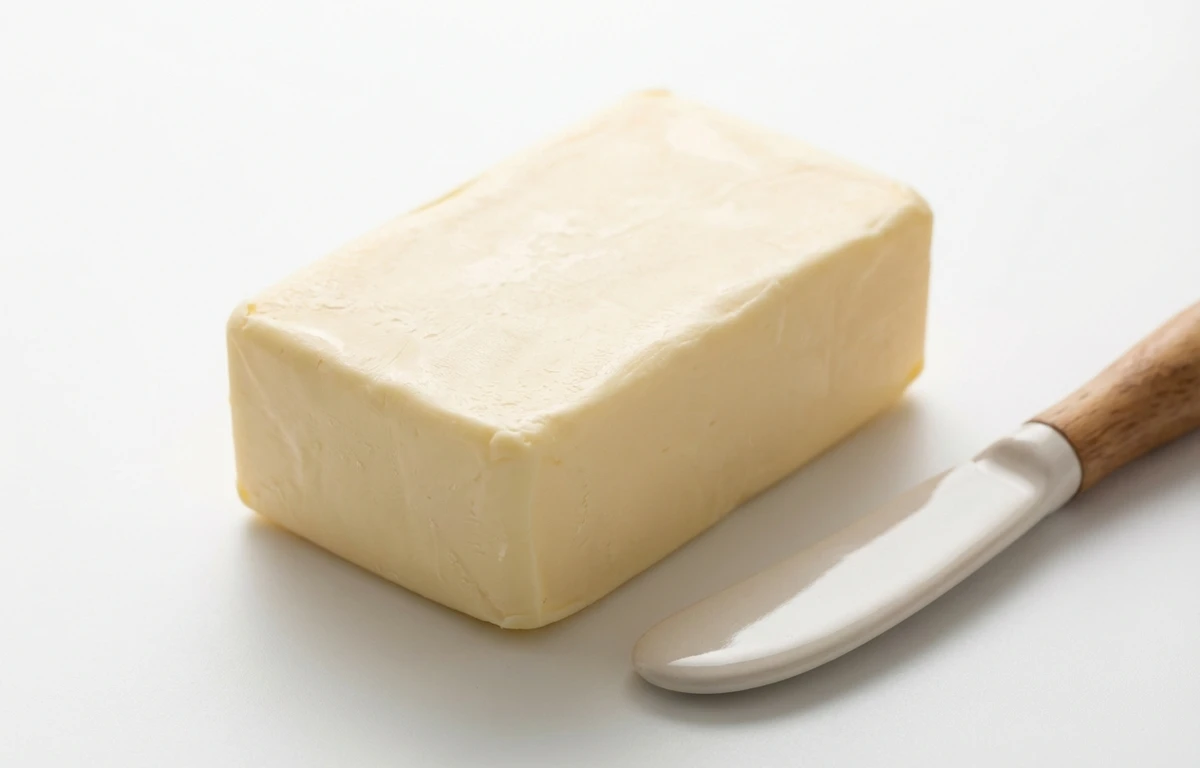
unsalted light butter.
VegetarianVeganGluten-freeDairy-freeNut-freePeanut-freeSoy-freeEgg-freeShellfish-freeHoney-freeAlcohol-free
SERVING
CALORIES
499
PROTEIN
3.3g
CARBS
0g
FAT
55.1g
FIBER
0g
NUTRITION PROFILE · per 100 g
Everything in this ingredient.
MACRONUTRIENTS
Calories499kcal—
Protein3.3g7%
Carbohydrates0g0%
Fiber0g0%
Sugar0g0%
Total fat55.1g71%
Saturated fat34.3g172%
Cholesterol106mg35%
Water43.2g—
MINERALS
Sodium36mg2%
Potassium71mg2%
Calcium48mg4%
Iron1.1mg6%
Magnesium5.0mg1%
Phosphorus34mg3%
Zinc0.26mg2%
Copper0mg0%
Selenium1.0µg2%
VITAMINS
Vitamin A465µg52%
Vitamin C0mg0%
Vitamin D0µg0%
Vitamin E1.6mg11%
Vitamin K4.8µg4%
Thiamin (B1)0.01mg1%
Riboflavin (B2)0.07mg5%
Niacin (B3)0.02mg0%
Vitamin B60.01mg1%
Folate (B9)1.0µg0%
Vitamin B120.13µg5%
%DV based on a 2,000 cal diet. Source: USDA FoodData Central. A dash in the %DV column means there’s no established Daily Value for that nutrient.
MEASUREMENT CONVERSIONS
How much is what.
1 cup224g
1 tablespoon14g
1 teaspoon4.7g
1 ml0.9g
1 liter933.3g
HEALTH BENEFITS
Why eat it.
- ✓Reduced calorie and fat content compared to regular butter, which can aid in weight management when used in moderation.
- ✓Provides some fat-soluble vitamins like Vitamin A, important for vision, immune function, and skin health.
- ✓Unsalted varieties allow for better control over sodium intake, which is beneficial for managing blood pressure.
- ✓Contains butyrate, a short-chain fatty acid that may support gut health, though in smaller amounts than full-fat butter.
COOKING TIPS
In the kitchen.
- 1Due to its higher water content, light butter is not ideal for high-heat cooking like searing or frying as it will spatter and burn easily.
- 2Best used as a spread, for tossing with steamed vegetables, or in baking recipes specifically designed for light butter, as it can alter the texture of traditional recipes.
- 3To soften for spreading, let it sit at room temperature for about 15-20 minutes. Avoid leaving it out for extended periods as it can spoil more quickly than regular butter.
STORAGE
Keep it fresh.
- Store refrigerated at or below 40°F (4°C) in its original wrapper or an airtight container to prevent spoilage and absorption of odors.
- For long-term storage, freeze for up to 4 months by wrapping it tightly in plastic wrap and then aluminum foil.
FAQ
Frequently asked questions.
Is unsalted light butter healthy?
Unsalted light butter is a healthier alternative to regular butter for those looking to reduce calorie and fat intake, containing about 30-40% less of both. It provides essential Vitamin A for immune health and, being unsalted, helps in managing sodium levels for better heart health.
How many calories and fat are in unsalted light butter?
Per 100g, unsalted light butter contains approximately 499 calories and 55.1g of fat. In comparison, standard butter typically contains around 717 calories and 81g of fat, making the light version significantly lower in energy density.
Can I use unsalted light butter for baking?
It is generally not recommended for baking recipes that require creaming or flaky textures, such as cookies or pie crusts, due to its high water content. The extra moisture can cause baked goods to become tough, flat, or soggy; it is better used as a spread or in stovetop cooking.
Is unsalted light butter keto-friendly?
Yes, it is keto-friendly as it contains 0g of carbohydrates. However, because it has a lower fat-to-water ratio than regular butter, some keto practitioners prefer full-fat butter to more easily meet their daily fat macros.
Is unsalted light butter lactose-free?
No, light butter is a dairy product and contains lactose. While the amount of lactose in butter is relatively low compared to milk, individuals with severe lactose intolerance should choose lactose-free spreads or ghee instead.
Can I use light butter for frying or sautéing?
Light butter is not ideal for high-heat frying because the high water content causes significant splattering and the milk solids may burn easily. It is best used for low-heat melting, finishing vegetables, or as a topping for warm bread.
What does unsalted light butter taste like?
It has a mild, creamy, and slightly sweet dairy flavor. Because it lacks salt and has a lower fat concentration, it tastes less rich and intense than standard salted butter, offering a cleaner palate for delicate dishes.
How should I store unsalted light butter and how long does it last?
Store it in the refrigerator in its original wrapper or an airtight container to prevent it from absorbing other food odors. Because of its higher water content, it may spoil faster than regular butter, typically lasting 1 to 2 months; always check the 'best by' date.
Is unsalted light butter good for weight loss?
It can be a helpful tool for weight management when used as a direct substitute for regular butter, as it significantly reduces calorie intake. However, it should still be consumed in moderation as it remains a calorie-dense fat source.
Can I freeze unsalted light butter?
Yes, you can freeze light butter for up to 4-6 months. To maintain quality, wrap it tightly in foil or place it in a freezer-safe bag to prevent freezer burn, and thaw it in the refrigerator before use.



















