
Loading...
Also known as:
Per 100g
Nutrition data source: USDA FoodData Central
Common measurement equivalents in grams
Yes, unsweetened almond butter is highly nutritious, providing heart-healthy monounsaturated fats, plant-based protein, and fiber. It is also an excellent source of Vitamin E and essential minerals like magnesium and calcium, which support skin and bone health.
Unsweetened almond butter contains approximately 21.4 grams of protein per 100 grams. This high protein content, combined with its healthy fats, makes it an excellent choice for promoting satiety and supporting muscle maintenance.
Yes, it is very keto-friendly as it is high in healthy fats and relatively low in net carbohydrates. Because it contains no added sugars, it is a staple for those following ketogenic or low-carb diets.
Pure unsweetened almond butter is naturally both vegan and gluten-free. It is made solely from ground almonds, making it a safe and healthy option for individuals with gluten sensitivities or those on plant-based diets.
Both are calorie-dense, but almond butter contains slightly more fiber and vitamins. Its high fiber and protein content (21.4g per 100g) can help you feel full longer, which may prevent overeating when consumed in moderation.
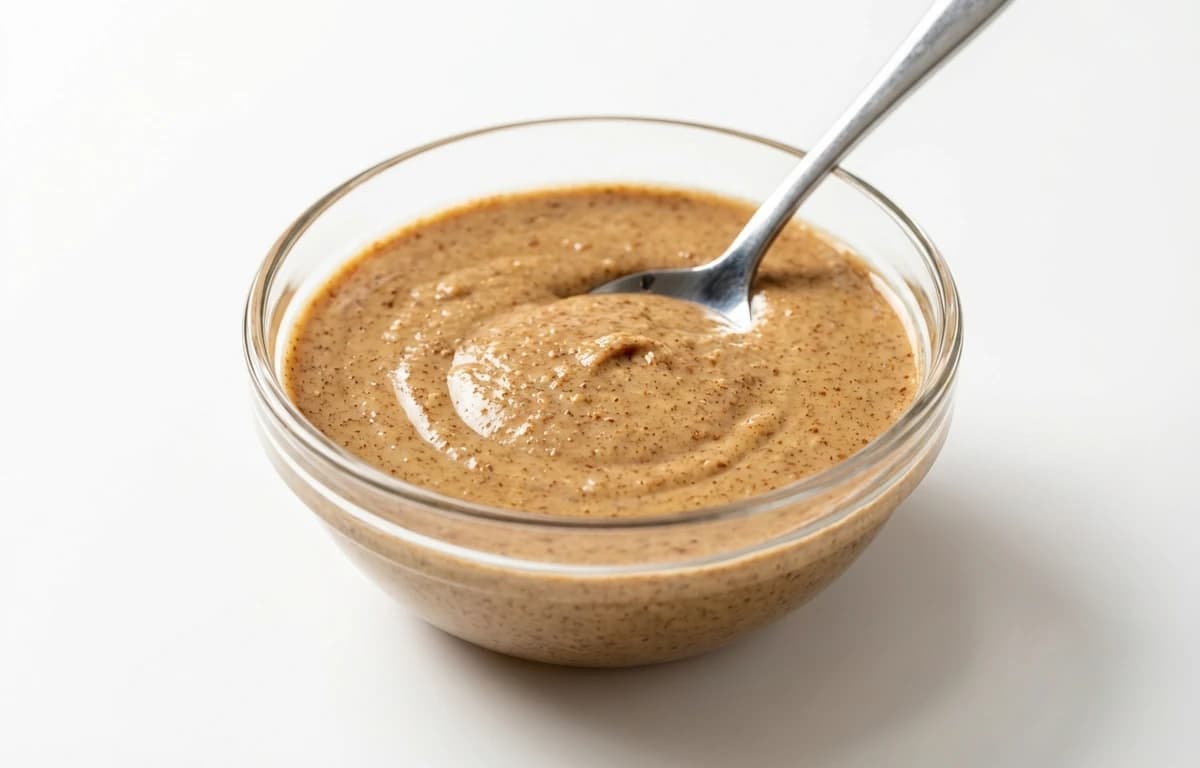
It has a rich, deep, and earthy nut flavor with a subtle natural sweetness. Unlike sweetened versions, it lacks a sugary punch, offering a more authentic and toasted almond profile that works well in both sweet and savory dishes.
While it can be kept in a cool, dark pantry, refrigeration is recommended after opening to prevent the natural oils from going rancid. Chilling also helps to thicken the consistency, making it easier to spread.
unsweetened almond butter is a versatile ingredient found in cuisines around the world. With 614 calories per 100g and 21.4 grams of protein, it's a nutritious addition to many dishes.
Explore more ingredients in the nut_butter category with complete nutrition information.
View all nut_butter →Discover 1 recipes featuring unsweetened almond butter with step-by-step instructions.
Browse recipes →Explore more ingredients similar to unsweetened almond butter.
The most-searched ingredients on CraftMyMeals.
Oil separation is a natural process in high-quality nut butters that do not contain emulsifiers or stabilizers. Simply stir the oil back in before use; storing the jar upside down can also help prevent the oil from pooling at the top.
Yes, you can generally substitute them in a 1:1 ratio. Keep in mind that almond butter is often runnier than commercial peanut butter and has a milder flavor, which may slightly alter the texture and taste of baked goods.
It is incredibly versatile; you can stir it into oatmeal, blend it into smoothies, or use it as a base for savory satay sauces. It also works well as a binder in flourless cookies, energy balls, or as a topping for sliced fruit.