
Beverage
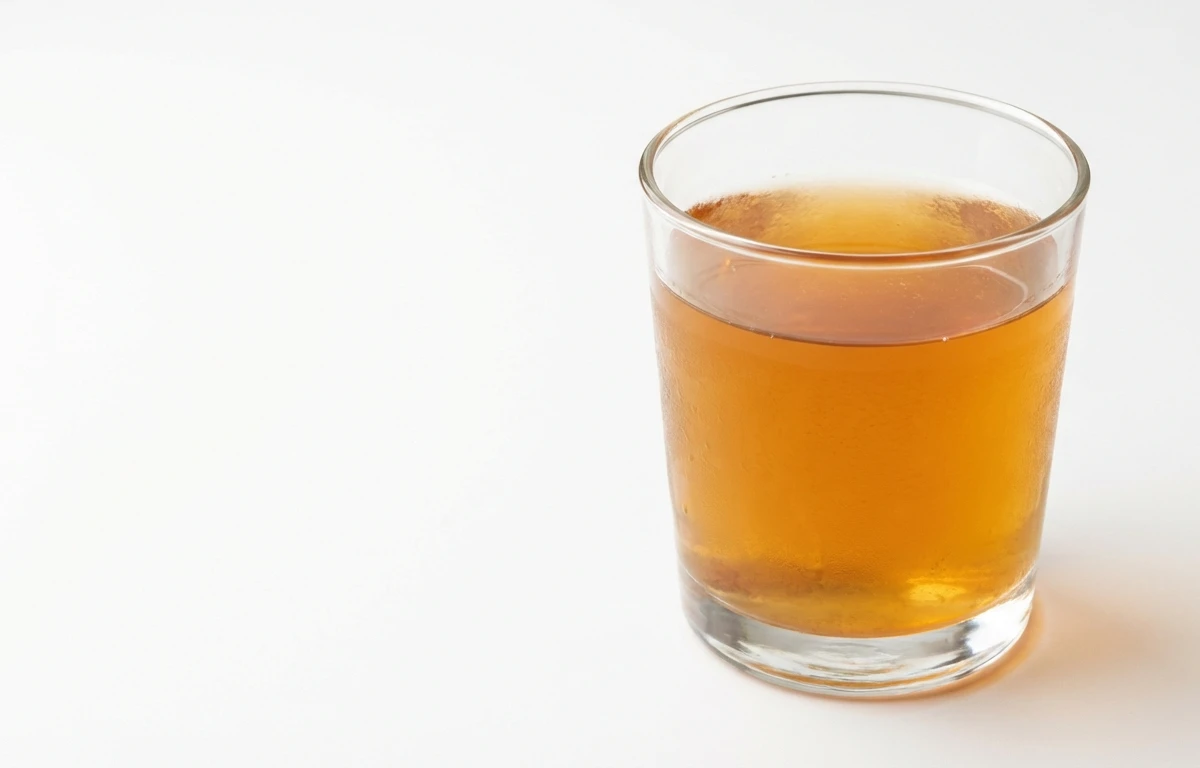
unsweetened apple juice.
VegetarianVeganGluten-freeDairy-freeNut-freePeanut-freeSoy-freeEgg-freeShellfish-freeHoney-freeAlcohol-free
SERVING
CALORIES
46
PROTEIN
0.10g
CARBS
11.3g
FAT
0.13g
FIBER
0.20g
NUTRITION PROFILE · per 100 g
Everything in this ingredient.
MACRONUTRIENTS
Calories46kcal—
Protein0.10g0%
Carbohydrates11.3g4%
Fiber0.20g1%
Sugar9.6g19%
Total fat0.13g0%
Saturated fat0.02g0%
Trans fat0g—
Cholesterol0mg0%
Water88.2g—
MINERALS
Sodium4.0mg0%
Potassium101mg2%
Calcium8.0mg1%
Iron0.12mg1%
Magnesium5.0mg1%
Phosphorus7.0mg1%
Zinc0.02mg0%
Copper0.01mg1%
Manganese0.07mg3%
Selenium0.10µg0%
VITAMINS
Vitamin A0µg0%
Vitamin C38.5mg43%
Vitamin D0µg0%
Vitamin E0.01mg0%
Vitamin K0µg0%
Thiamin (B1)0.02mg2%
Riboflavin (B2)0.02mg2%
Niacin (B3)0.07mg0%
Pantothenic acid (B5)0.05mg1%
Vitamin B60.02mg1%
Folate (B9)0µg0%
Vitamin B120µg0%
%DV based on a 2,000 cal diet. Source: USDA FoodData Central. A dash in the %DV column means there’s no established Daily Value for that nutrient.
MEASUREMENT CONVERSIONS
How much is what.
1 cup248g
1 tablespoon15.5g
1 teaspoon5.2g
1 ml1g
1 liter1033.3g
HEALTH BENEFITS
Why eat it.
- ✓Provides hydration due to its high water content.
- ✓Contains antioxidants, particularly polyphenols, which may help protect the body from oxidative stress.
- ✓A source of potassium, an essential mineral for maintaining fluid balance and supporting heart health.
- ✓May support brain health due to plant compounds like quercetin, which have been studied for their neuroprotective effects.
COOKING TIPS
In the kitchen.
- 1Use as a liquid base for marinades, especially for pork and chicken, as its natural sugars help with caramelization.
- 2Reduce it in a saucepan to create a concentrated apple syrup or glaze for desserts, pancakes, or roasted meats.
- 3Incorporate into baking recipes as a substitute for some of the liquid to add moisture and a subtle sweetness to muffins and cakes.
- 4Freeze in ice cube trays to add to iced tea, water, or cocktails for a touch of flavor without dilution.
STORAGE
Keep it fresh.
- Store unopened shelf-stable apple juice in a cool, dark place like a pantry. Check the 'best by' date for longevity.
- Once opened, refrigerate immediately in a sealed container and consume within 7 to 10 days for optimal freshness and safety.
FAQ
Frequently asked questions.
Is unsweetened apple juice healthy?
Yes, unsweetened apple juice is a healthy beverage choice as it provides hydration and essential nutrients like potassium and antioxidants. However, it lacks the fiber found in whole apples, so it should be consumed in moderation to manage natural sugar intake.
How many calories and carbs are in unsweetened apple juice?
Per 100g, unsweetened apple juice contains approximately 46 calories and 11.3g of carbohydrates. These carbohydrates primarily consist of natural fruit sugars like fructose and glucose, with very little protein or fat.
Is unsweetened apple juice good for weight loss?
While it is a better alternative to sugary sodas, it is still relatively calorie-dense and lacks the satiety-inducing fiber of whole fruit. For weight loss, it is often recommended to dilute the juice with water or stick to small serving sizes.
Is unsweetened apple juice vegan and gluten-free?
Yes, unsweetened apple juice is naturally both vegan and gluten-free. It is made entirely from fruit and does not contain any animal products or wheat-based ingredients.
Can diabetics drink unsweetened apple juice?
Diabetics should consume apple juice with caution because its natural sugars can cause a rapid rise in blood glucose levels. It is generally better to eat a whole apple for the fiber, or consult a healthcare provider regarding portion sizes.
Is unsweetened apple juice keto-friendly?
No, unsweetened apple juice is not keto-friendly. With over 11g of net carbs per 100g, even a small glass can consume a significant portion of the daily carbohydrate limit allowed on a ketogenic diet.
How can I use unsweetened apple juice in cooking?
It is excellent for deglazing pans, creating marinades for pork or chicken, and adding moisture to baked goods like muffins. It can also be reduced over heat to create a concentrated glaze or syrup for desserts.
Can I substitute unsweetened apple juice for sugar in recipes?
You can use it to replace some refined sugar in recipes, but because it is a liquid, you must reduce other liquids in the recipe to compensate. It works best in moist baked goods like cakes, breads, and oatmeal.
How should I store unsweetened apple juice and how long does it last?
Unopened shelf-stable juice should be stored in a cool, dark place. Once opened, it must be refrigerated and is typically best consumed within 7 to 10 days for optimal freshness and flavor.
What is the difference between apple juice and apple cider?
Apple juice is typically filtered to remove solids and pasteurized to extend shelf life, resulting in a clear liquid. Apple cider is usually unfiltered, containing pulp and sediment, which gives it a cloudier appearance and a more intense, earthy flavor.



















